Resource Guide
Removable vs Permanent Labels for Industrial Projects
Removable vs permanent labels is not a one-size-fits-all decision. Industrial buyers should choose adhesive direction by label purpose, surface, dwell time, removal requirement, residue tolerance, environment and whether the label carries safety, asset or production data.
Digital proof before production. Material and adhesive options are discussed according to your application requirements.
Quick Answer for Adhesive Choice
Use removable labels when the label is temporary, the surface must stay clean after removal or the label supports inspection, logistics or short-term production control. Use permanent labels when the label must stay with the product, asset, drum, machine or package through handling and service life. Confirm surface and environment before choosing either direction.
- REMOVABLE: temporary QC, inspection, warehouse, sample or promotional labels
- PERMANENT: warning, asset ID, rating, drum, equipment and long-term tracking labels
- SURFACE: plastic, metal, painted panel, glass, rubber, carton or coated packaging
- RISK: residue, paint lift, label edge lift, abrasion, moisture, oil or heat
Start With the Buyer Task
A label used for short-term inspection has a different job than a chemical warning label or equipment asset label. The buyer task should lead the adhesive discussion. If the label must be removed cleanly, say that first. If the label must remain readable after shipping or handling, say that first.
When Removable Labels Make Sense
Removable labels are often used for temporary identification, in-process manufacturing, sample tracking, packaging notes and retail or warehouse workflows. Buyers should explain the expected removal time and whether residue or surface damage would be unacceptable.
When Permanent Labels Make Sense
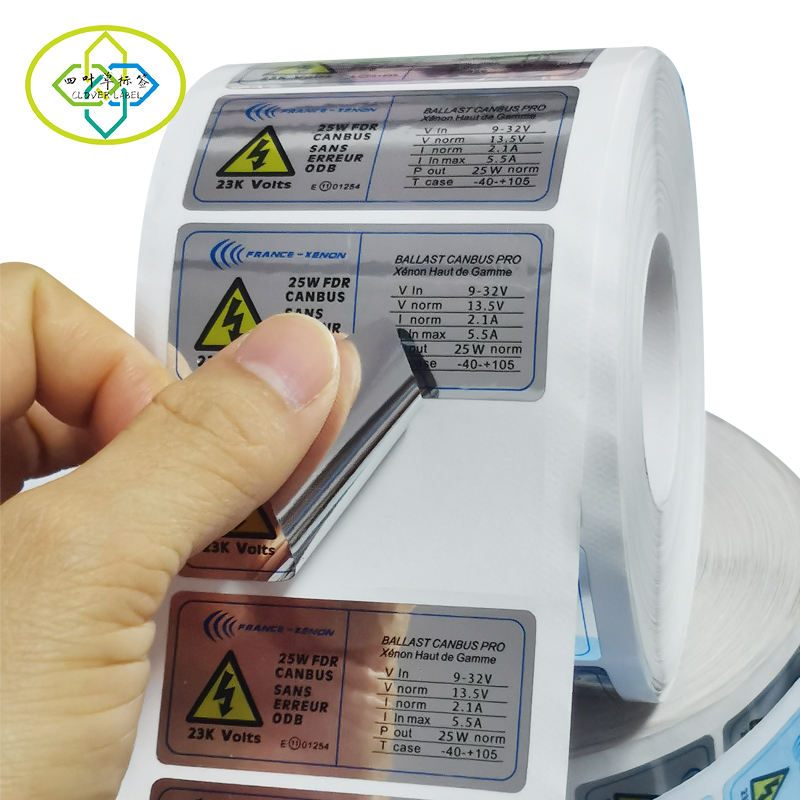
Permanent labels are usually considered for warning labels, equipment labels, asset tags, electrical rating labels, drum labels and long-term product identification. The discussion should include surface preparation, exposure, abrasion and whether the label will be touched, cleaned or scanned regularly.
Why Surface Testing May Still Be Needed
Permanent does not mean perfect on every surface, and removable does not mean clean removal in every condition. Surface energy, coatings, texture, temperature, dust, oil and dwell time can change performance. For important projects, sample discussion and buyer-side application review are reasonable steps.
Quote Checklist
Send these details when adhesive choice is uncertain.
- Label purpose and expected service time
- Whether the label must be removed and when
- Residue or surface damage tolerance
- Surface material, texture and surface photos
- Moisture, oil, heat, cold, abrasion or cleaning exposure
- Label size, quantity, print data and roll or sheet format
Related Product Pages
Move from adhesive decision to the right label product group.
Custom Industrial Labels
For chemical, safety, durable, electrical and asset label projects.
View detailsSpecial Environment Labels
For outdoor, wet, cold, abrasive or demanding label applications.
View detailsGet a Custom Label Quote
Send surface photos, removal need, size and quantity for review.
View detailsFAQ
Questions Buyers Ask
Are removable labels always residue-free?
No. Clean removal depends on surface, adhesive, dwell time, temperature and handling. State the residue requirement before quotation.
Can permanent labels be used outdoors?
Some permanent label constructions can be discussed for outdoor use, but outdoor exposure should be specified separately with surface, moisture, UV, abrasion and lifespan expectations.
Which adhesive is best for industrial labels?
There is no universal best adhesive. The right direction depends on label purpose, surface, removal need and environment.