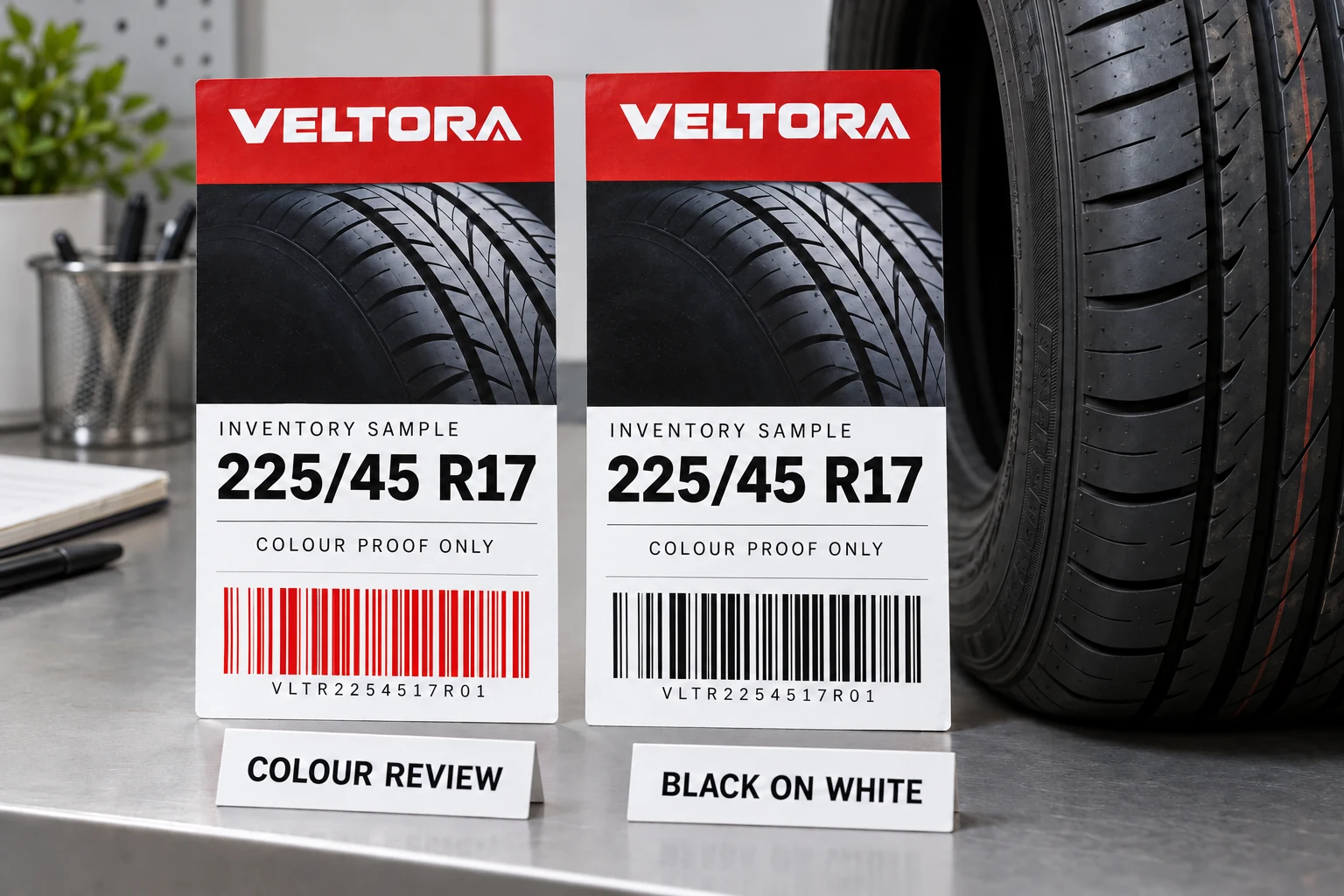
Red Brand Colours on Tire Labels: Keep Barcode Approval Separate
Review tire barcode colours separately from brand matching. Check bars, background, finished stock and the actual reading workflow before print approval.
Read buyer guideResources
Practical guides for B2B buyers preparing custom tire and industrial label projects. These articles explain what information to send, not unsupported engineering guarantees.
Digital proof before production. Material and adhesive options are discussed according to your application requirements.

New questions from tire and industrial label purchasing workflows.
Review tire barcode colours separately from brand matching. Check bars, background, finished stock and the actual reading workflow before print approval.
Read buyer guide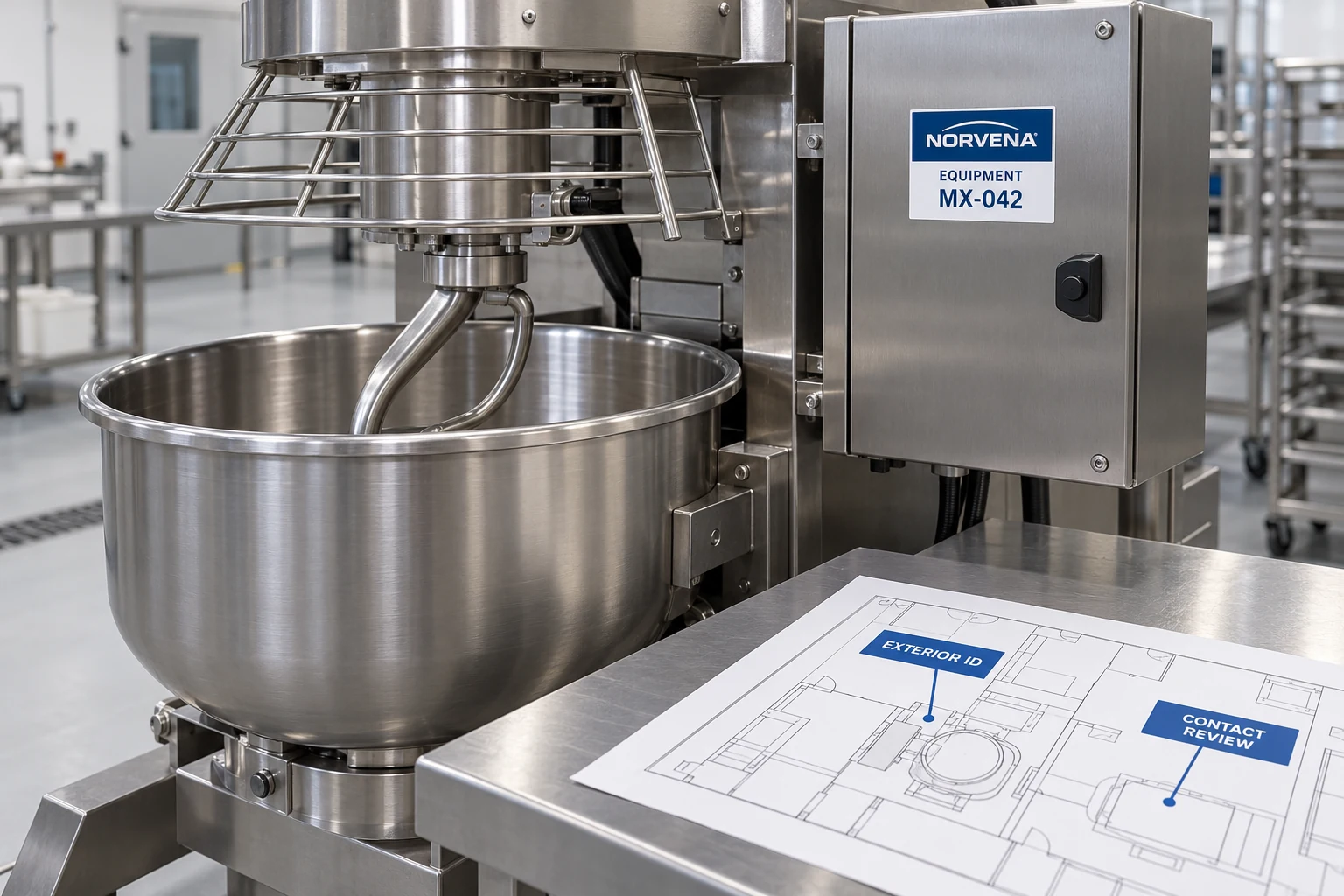
Define placement and intended contact before buying food equipment ID labels. Keep complete-construction evidence separate from washdown performance.
Read buyer guide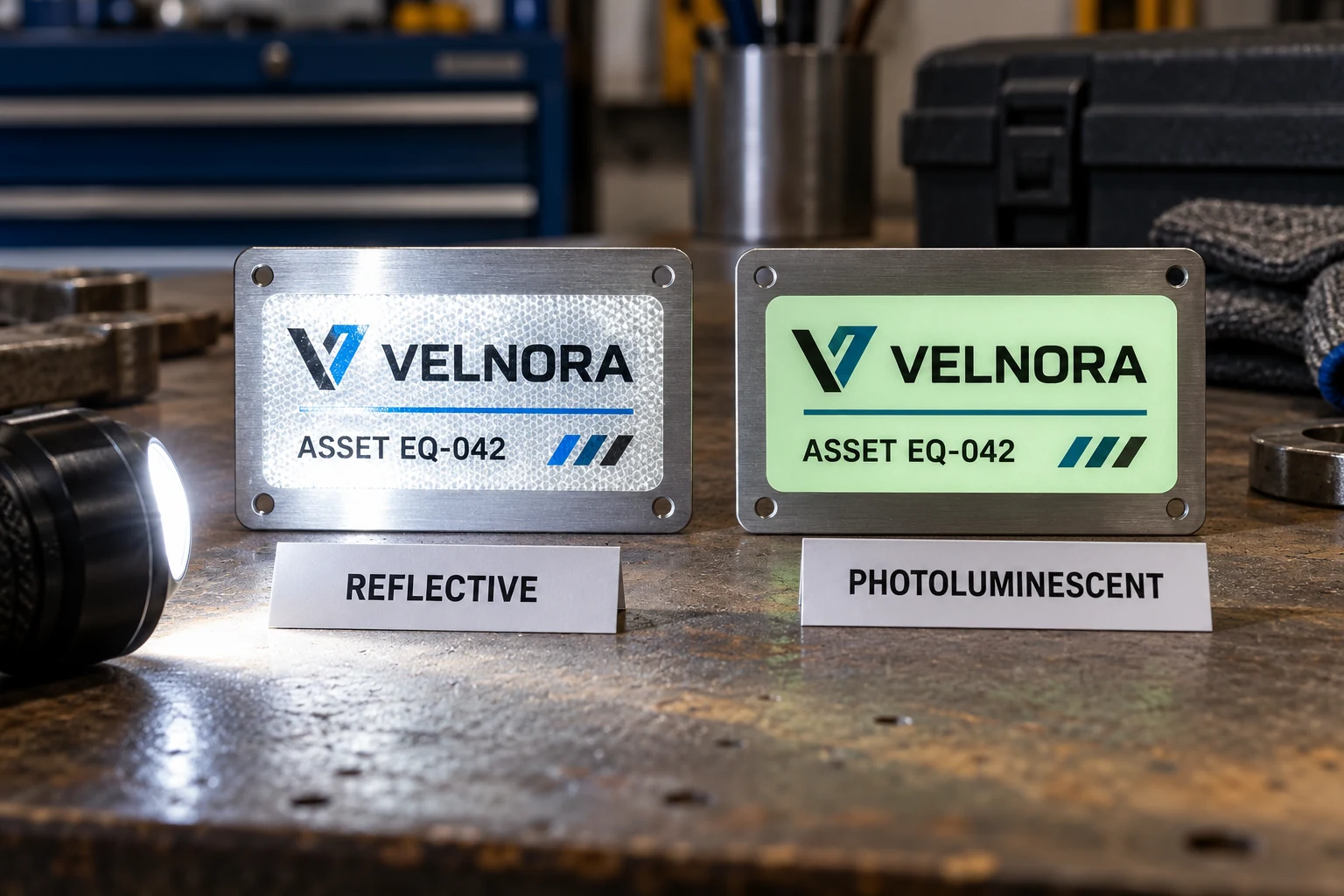
Compare reflective and photoluminescent equipment labels by light source, observer position and the actual reading task before requesting samples.
Read buyer guide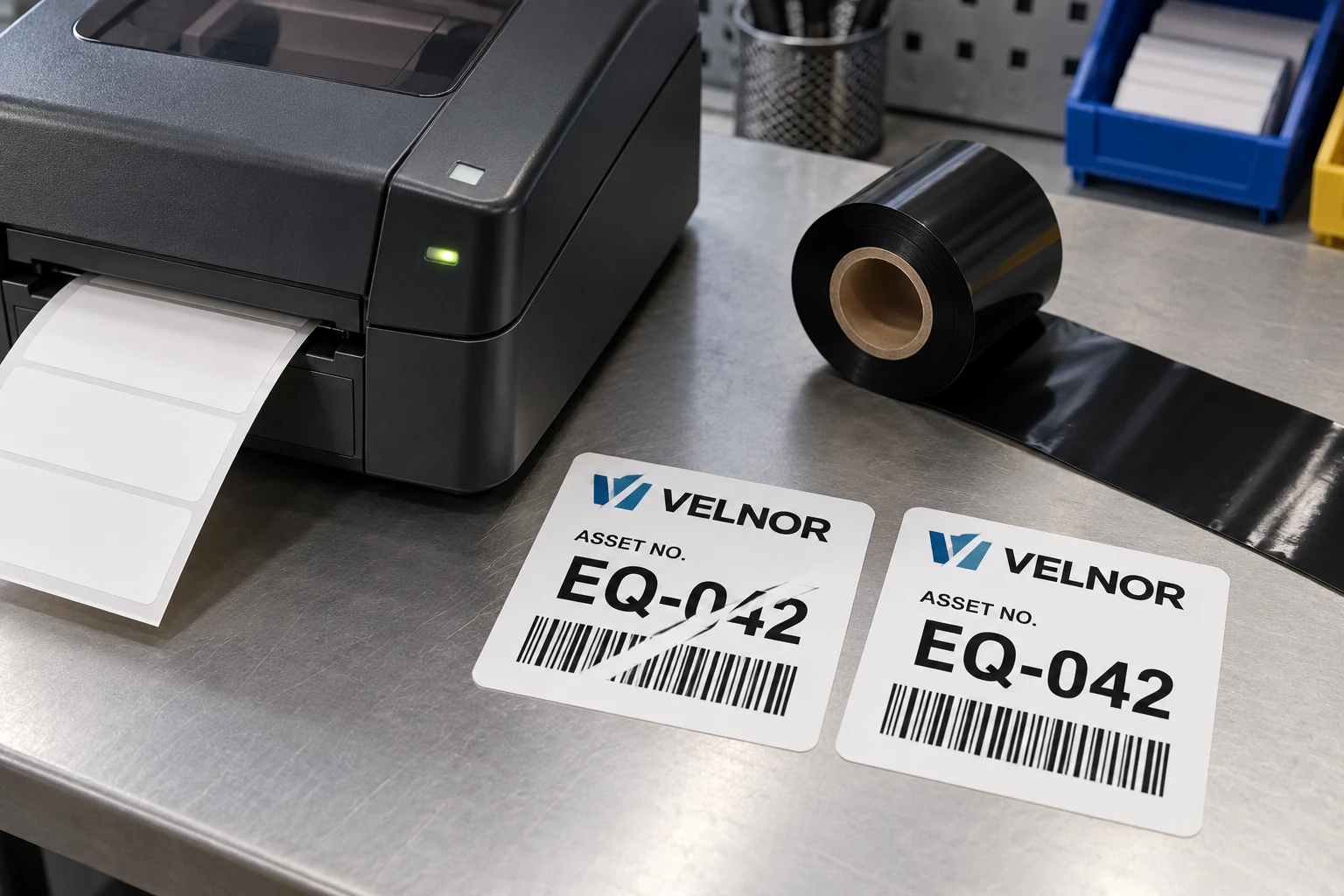
Investigate missing print on thermal transfer labels before changing supplies. Record affected output, printer details and the approved media pairing.
Read buyer guide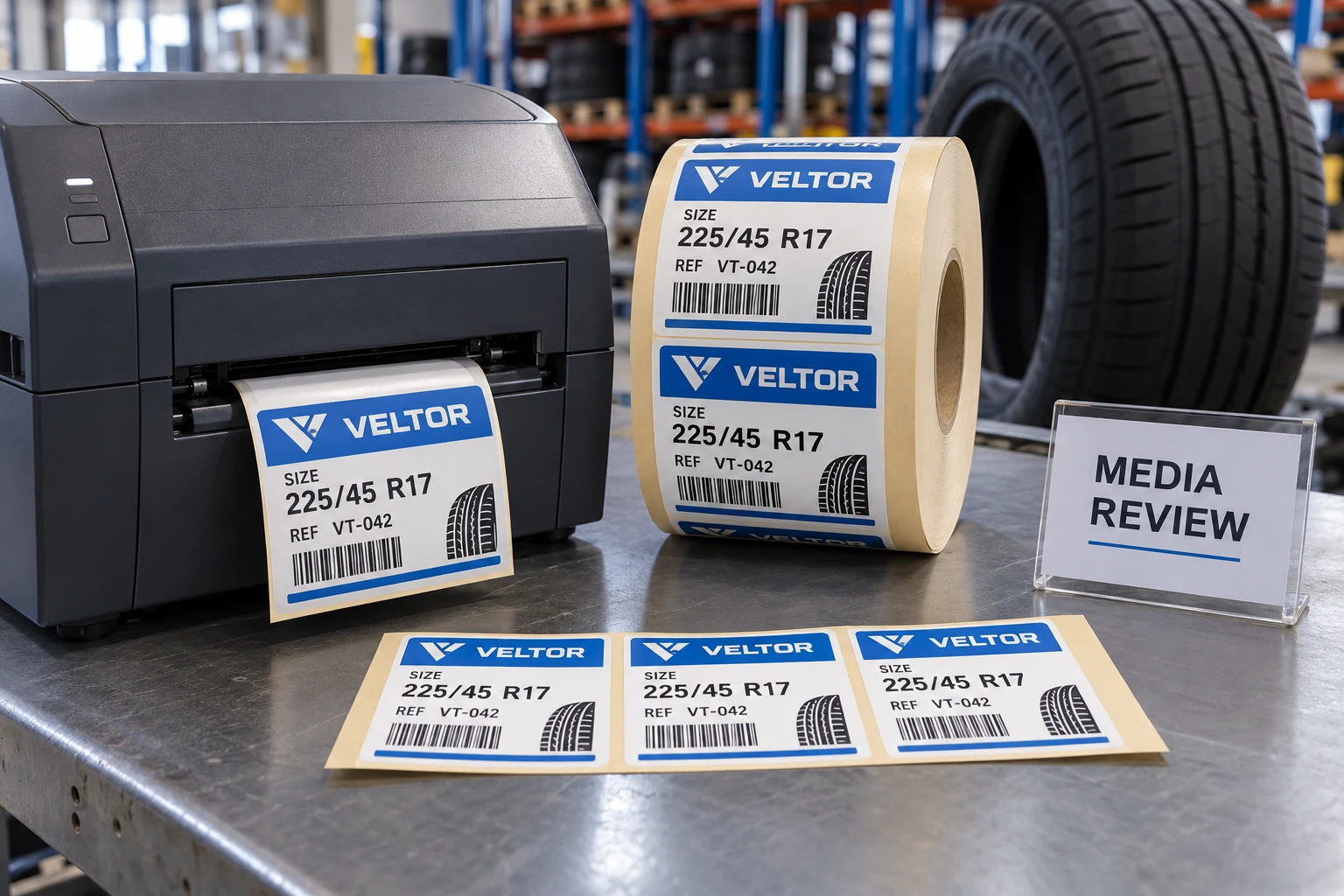
Review media-out errors before replacing tire label rolls. Compare sensing features, printer configuration and a known-working reference.
Read buyer guide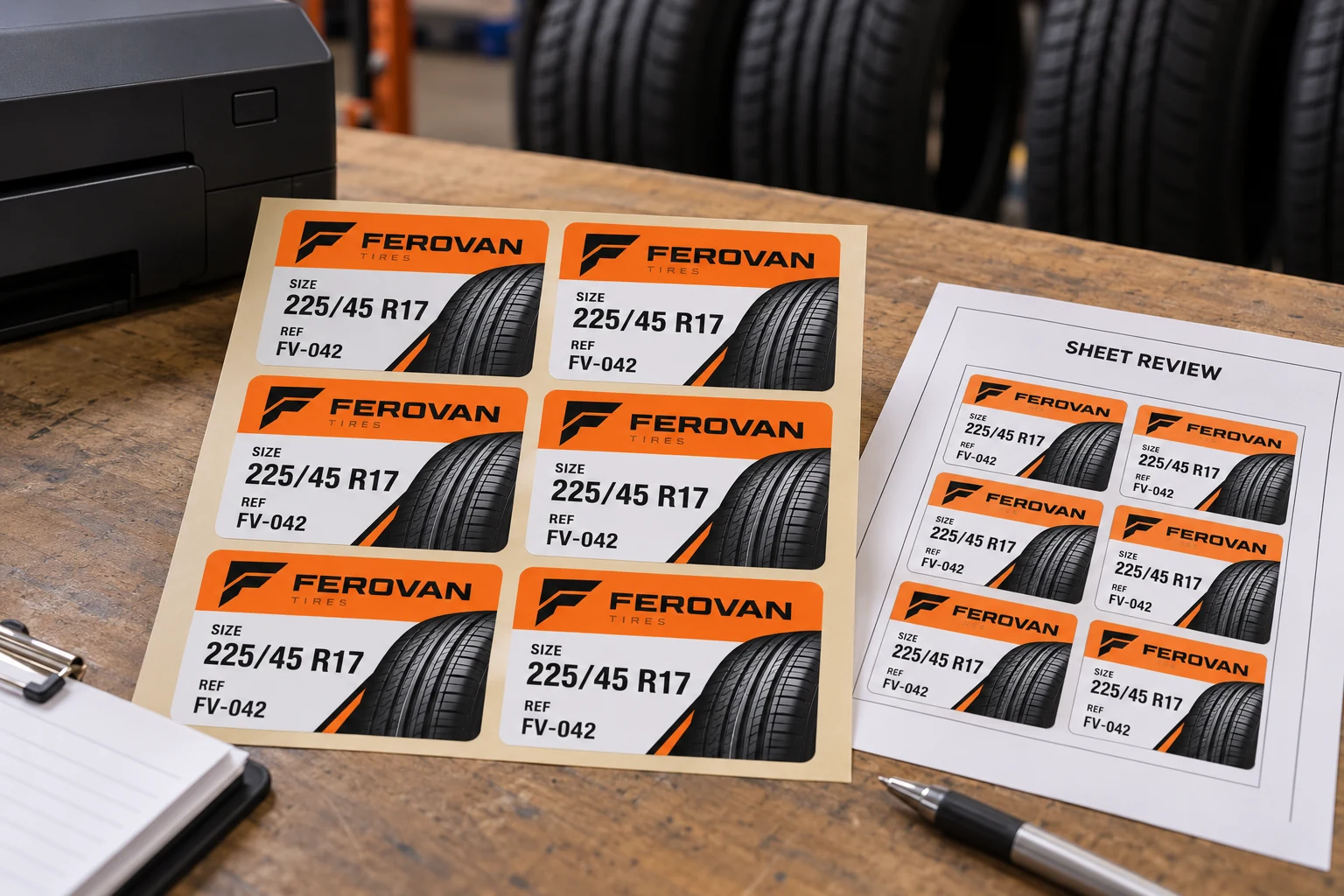
Check tire label sheet margins, pitch and registration across the full sheet. Separate constant offsets from cumulative drift before changing artwork.
Read buyer guide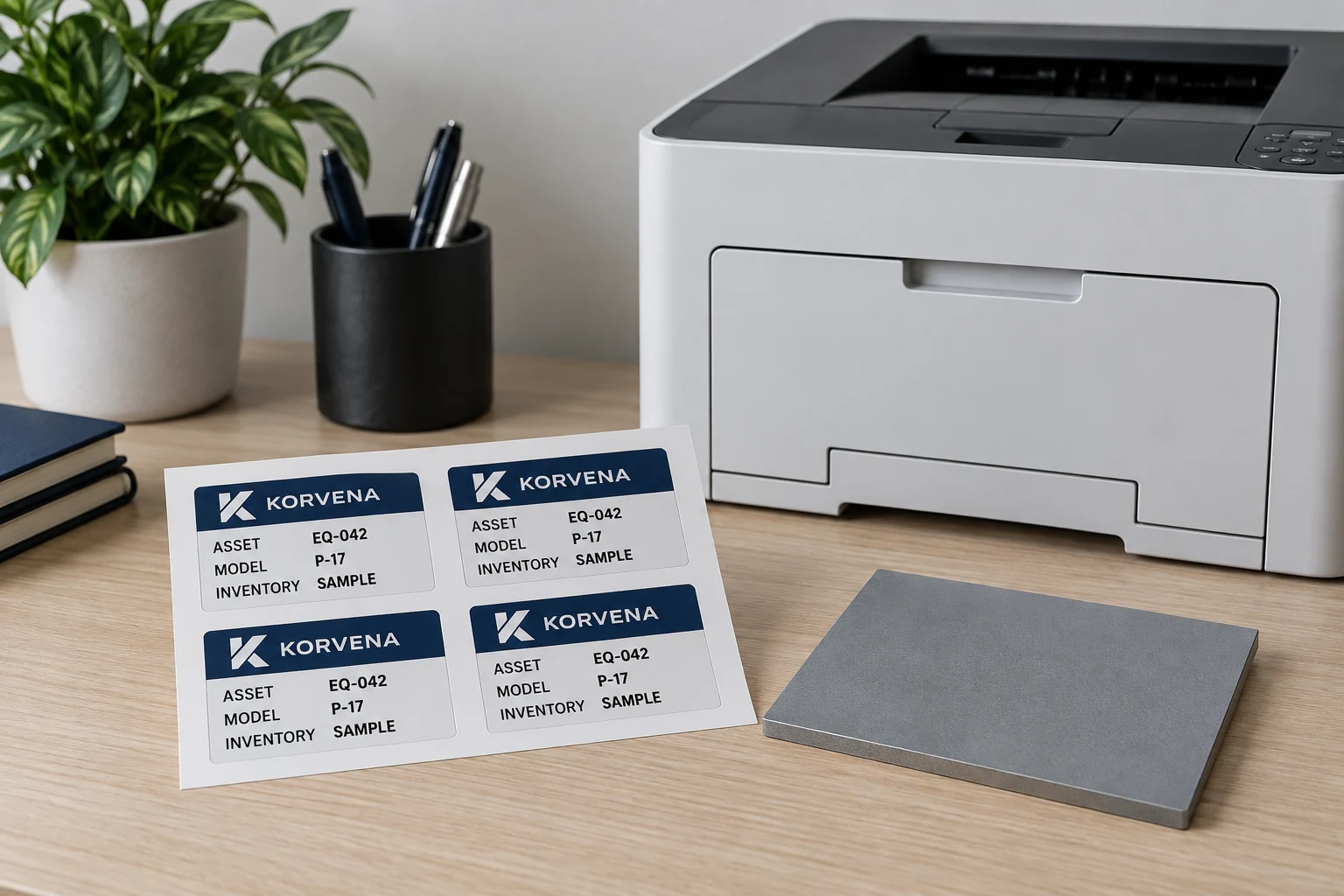
Confirm printer and sheet compatibility before buying equipment label stock. Separate processing, printed data and installed-use requirements.
Read buyer guide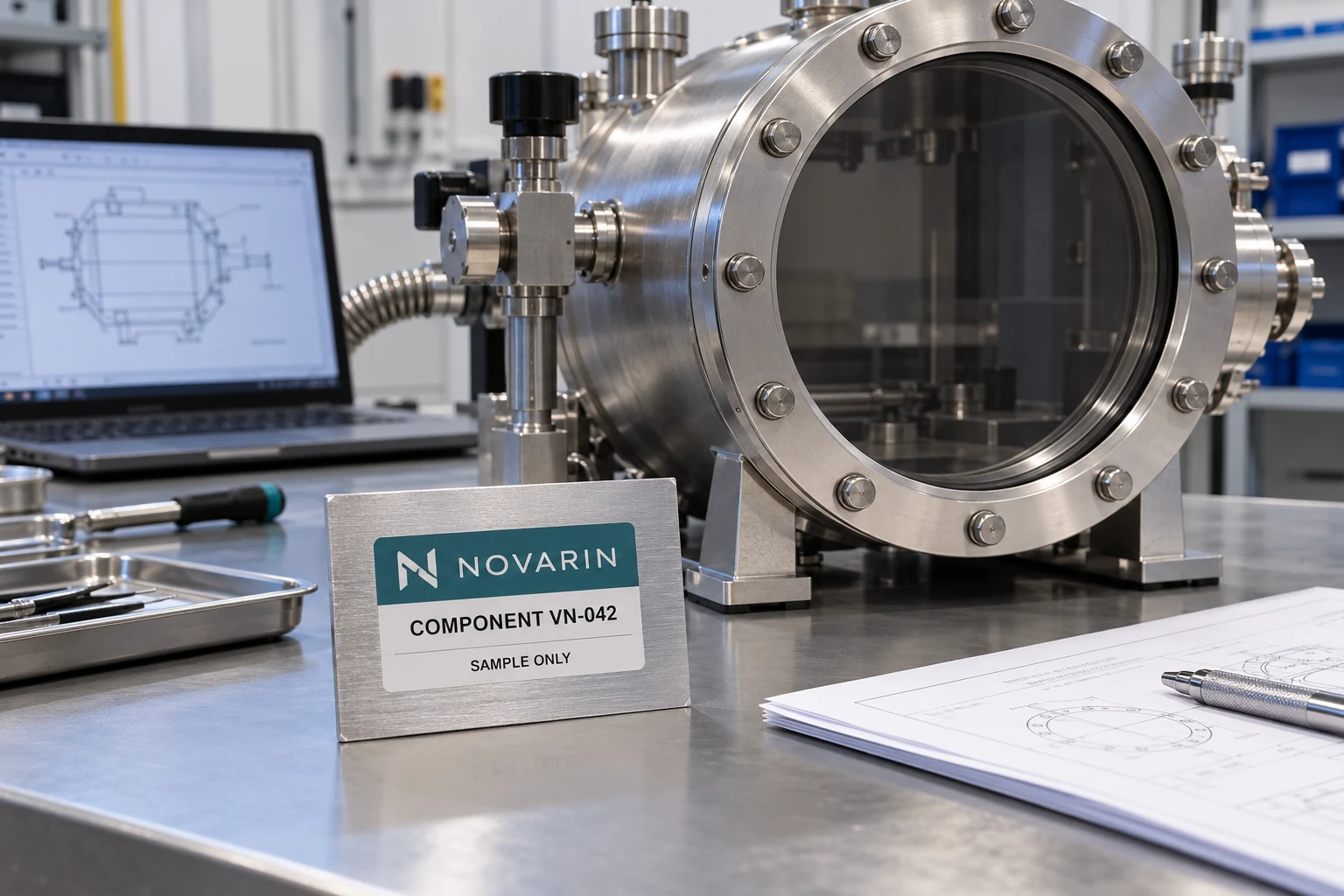
Review low-outgassing label evidence against the finished construction. Separate component database listings from engineering approval.
Read buyer guide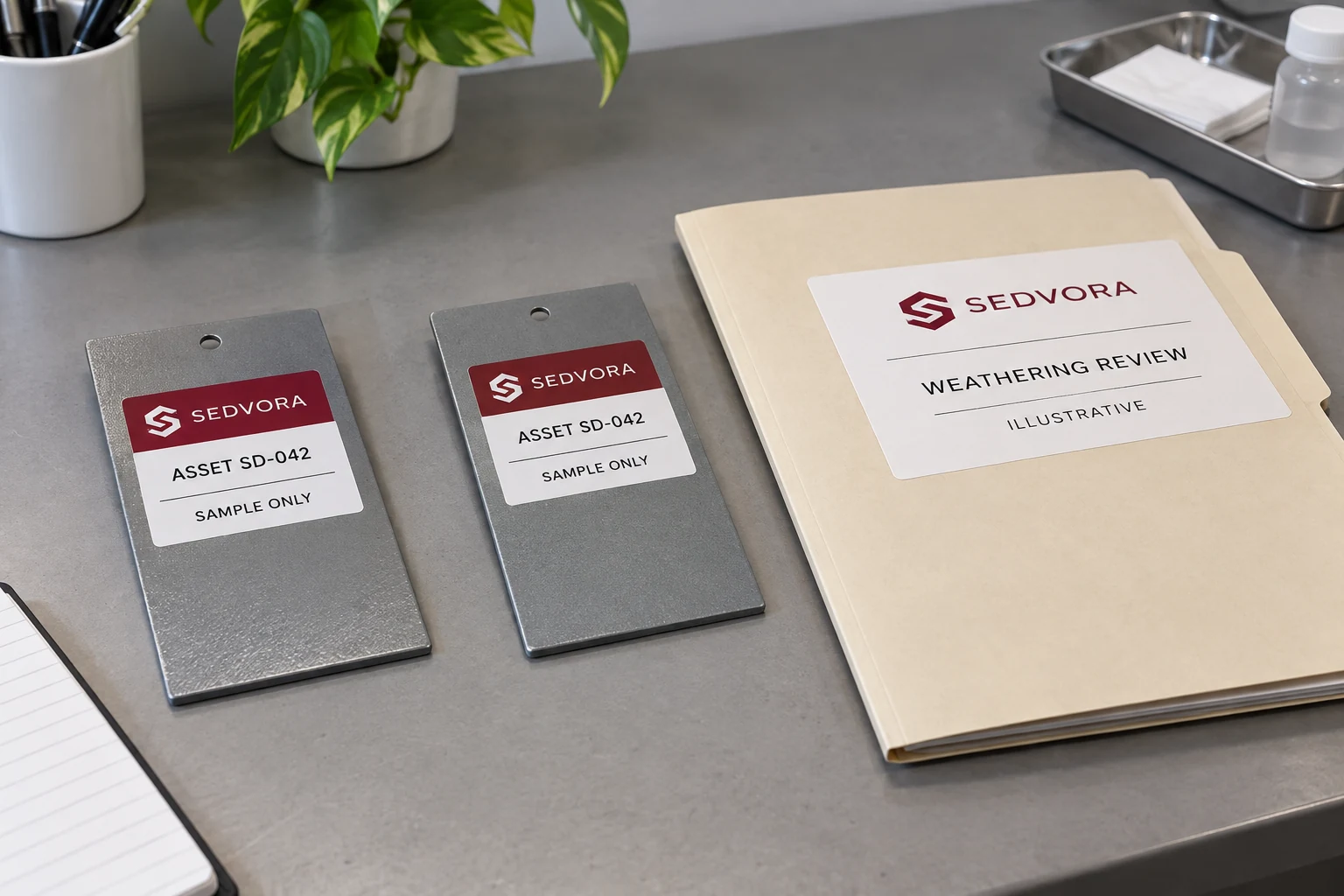
Compare label weathering reports by construction, cycle and evaluation endpoint. Avoid unsupported conversions from test hours to service years.
Read buyer guide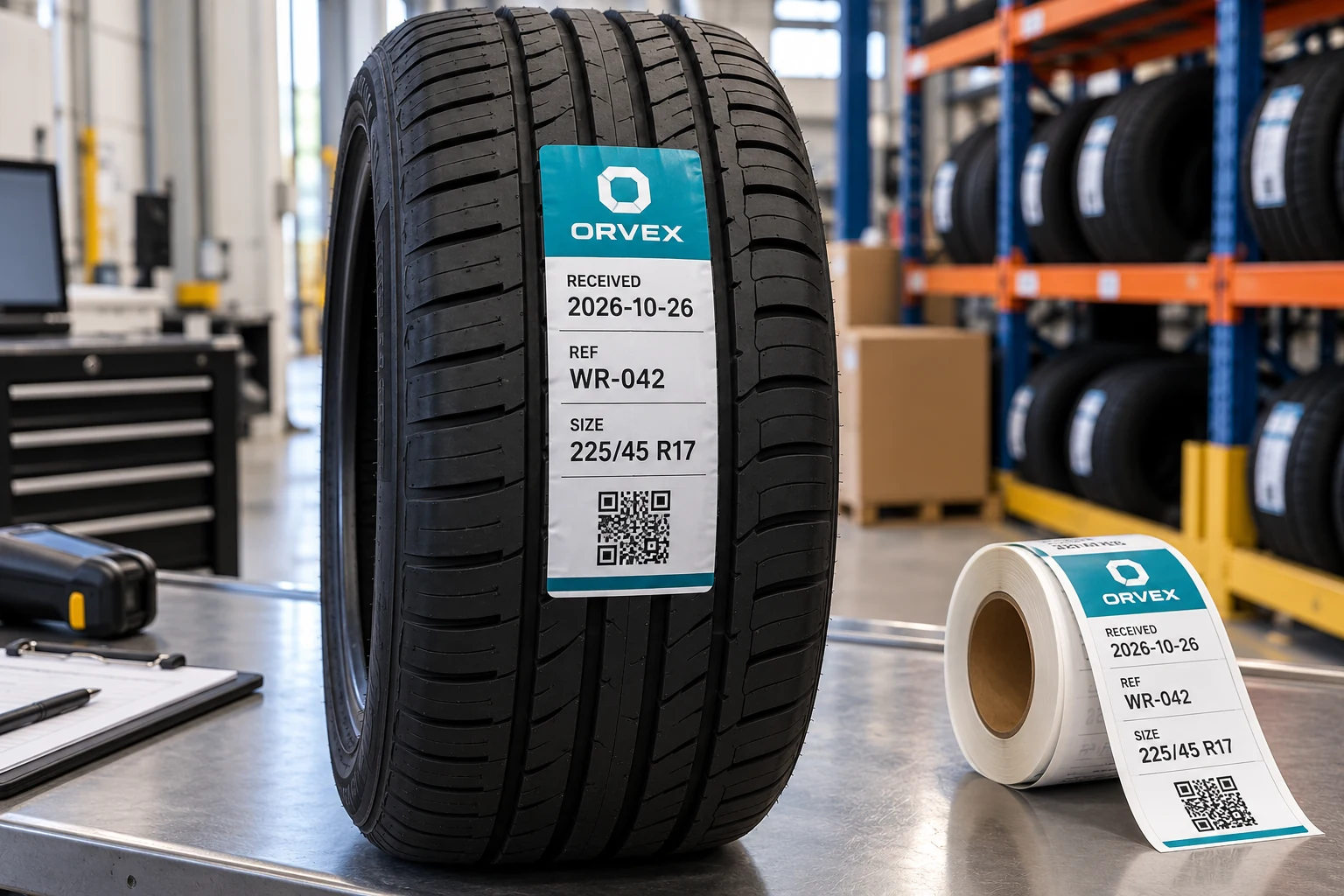
Define receipt and print dates on tire warehouse labels. Approve date sources, display rules and reprint behavior without implying manufacture date.
Read buyer guide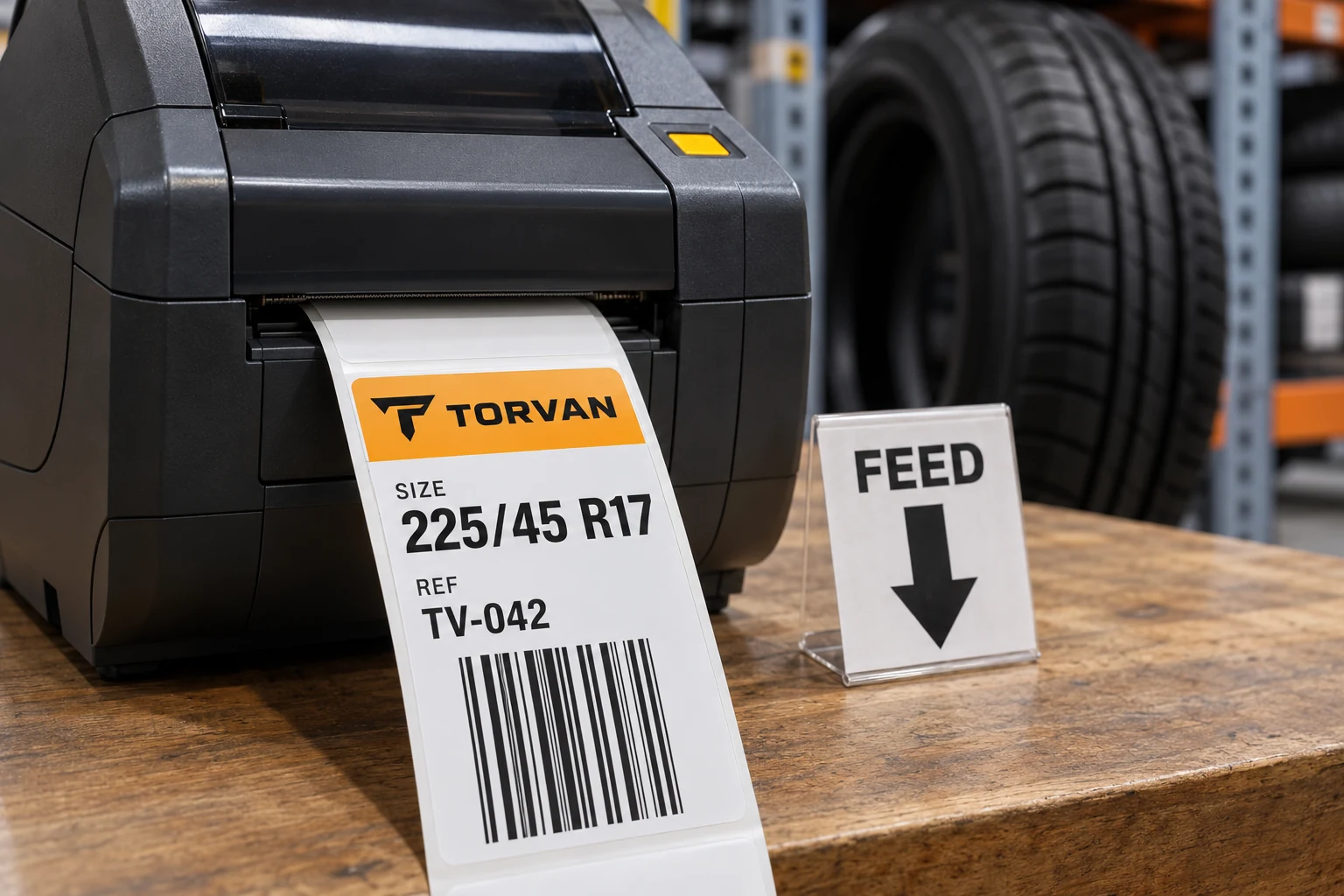
Review ladder and picket-fence barcode orientation for thermal tire labels. Compare feed direction, required geometry, printed output and applied scanning.
Read buyer guide
Review opaque cover-up equipment labels on the real old graphic. Separate authority to conceal, show-through, coverage and attachment before ordering.
Read buyer guide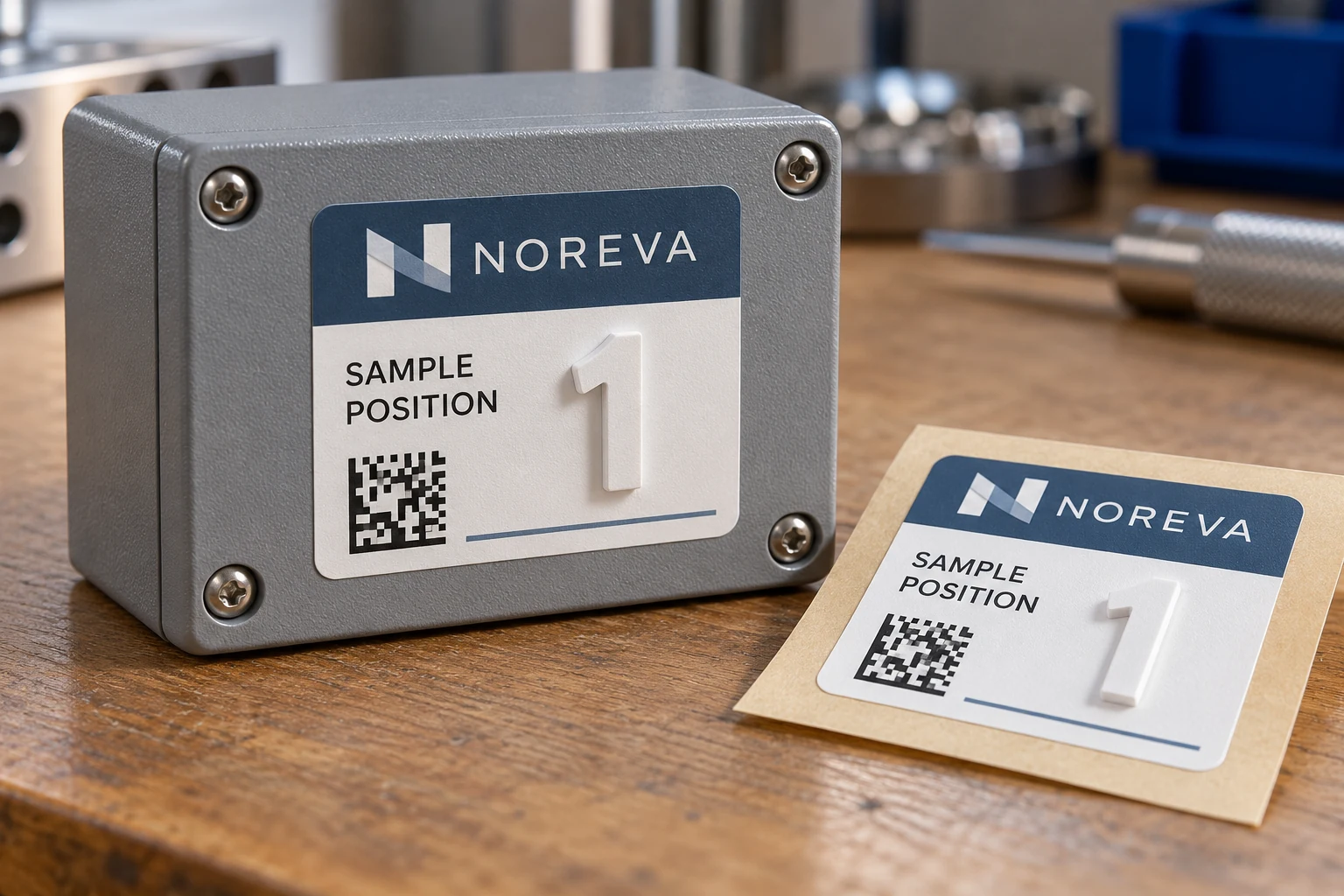
Define the task before ordering tactile equipment labels. Separate flat print, raised formats and Braille, then confirm capability and physical review.
Read buyer guide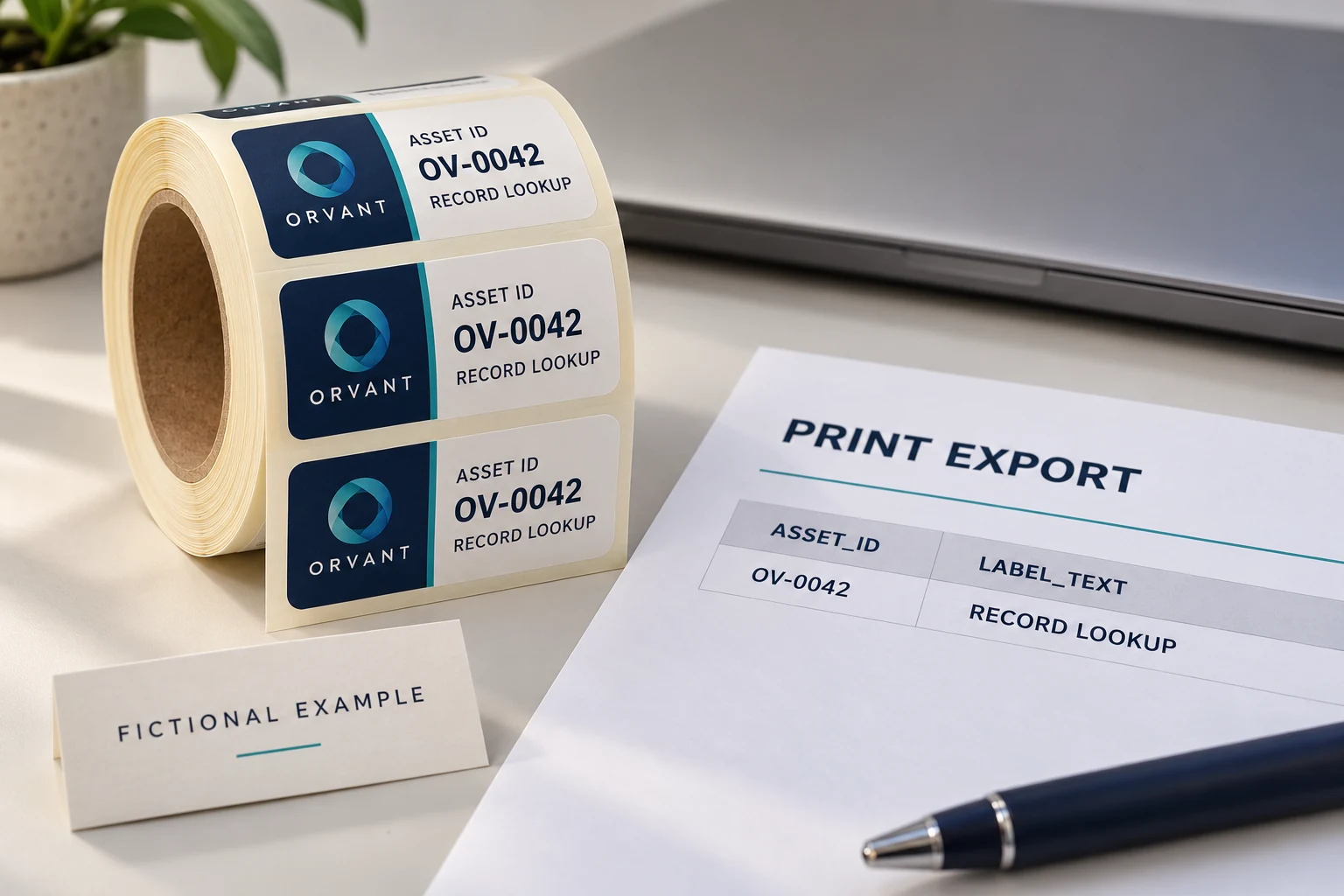
Prepare asset label print files without sharing the whole register. Define required fields, inspect the export and approve the actual production revision.
Read buyer guide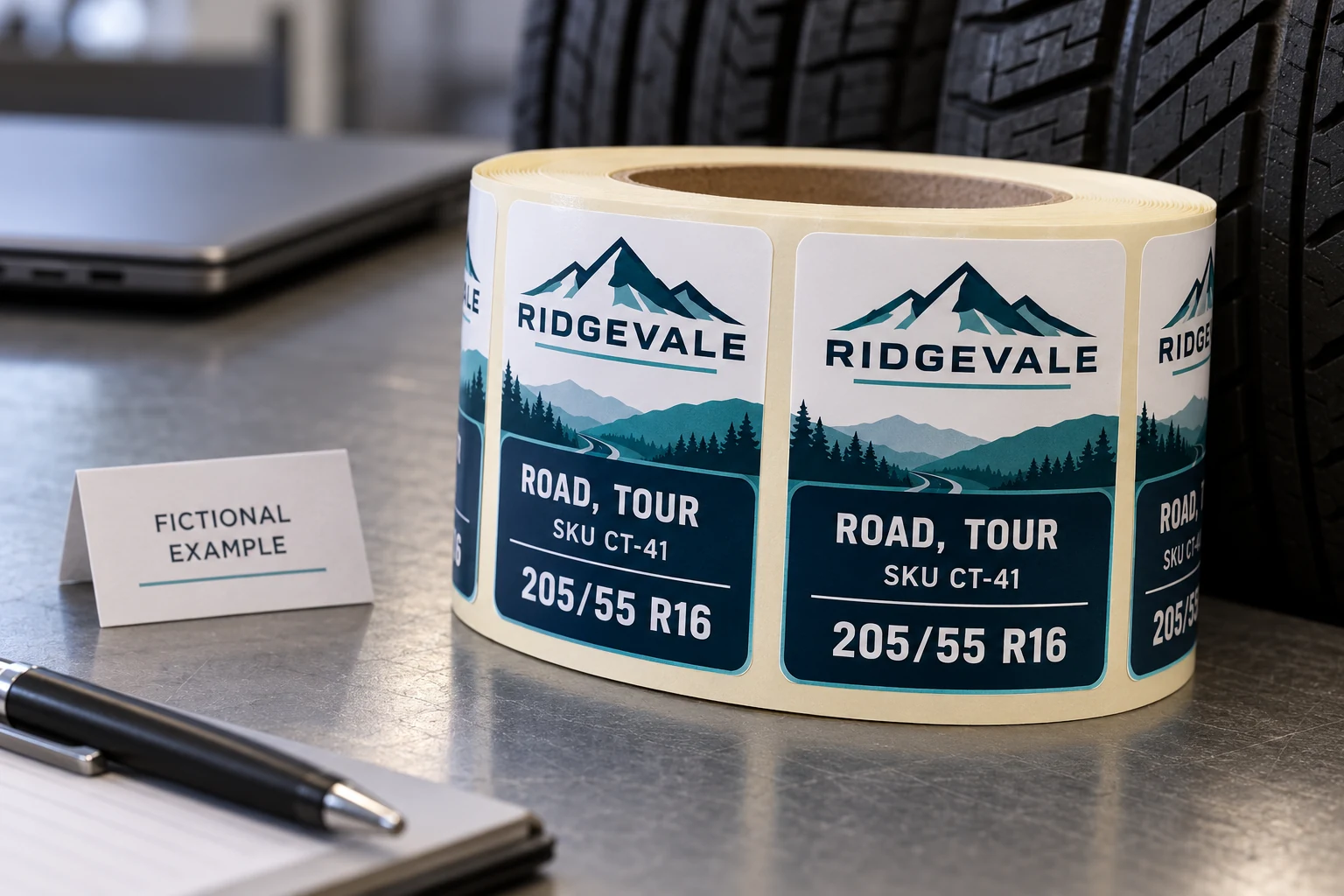
Check tire label CSV imports for commas, quotes and line breaks. Approve parsed fields and physical proofs before releasing variable-data printing.
Read buyer guide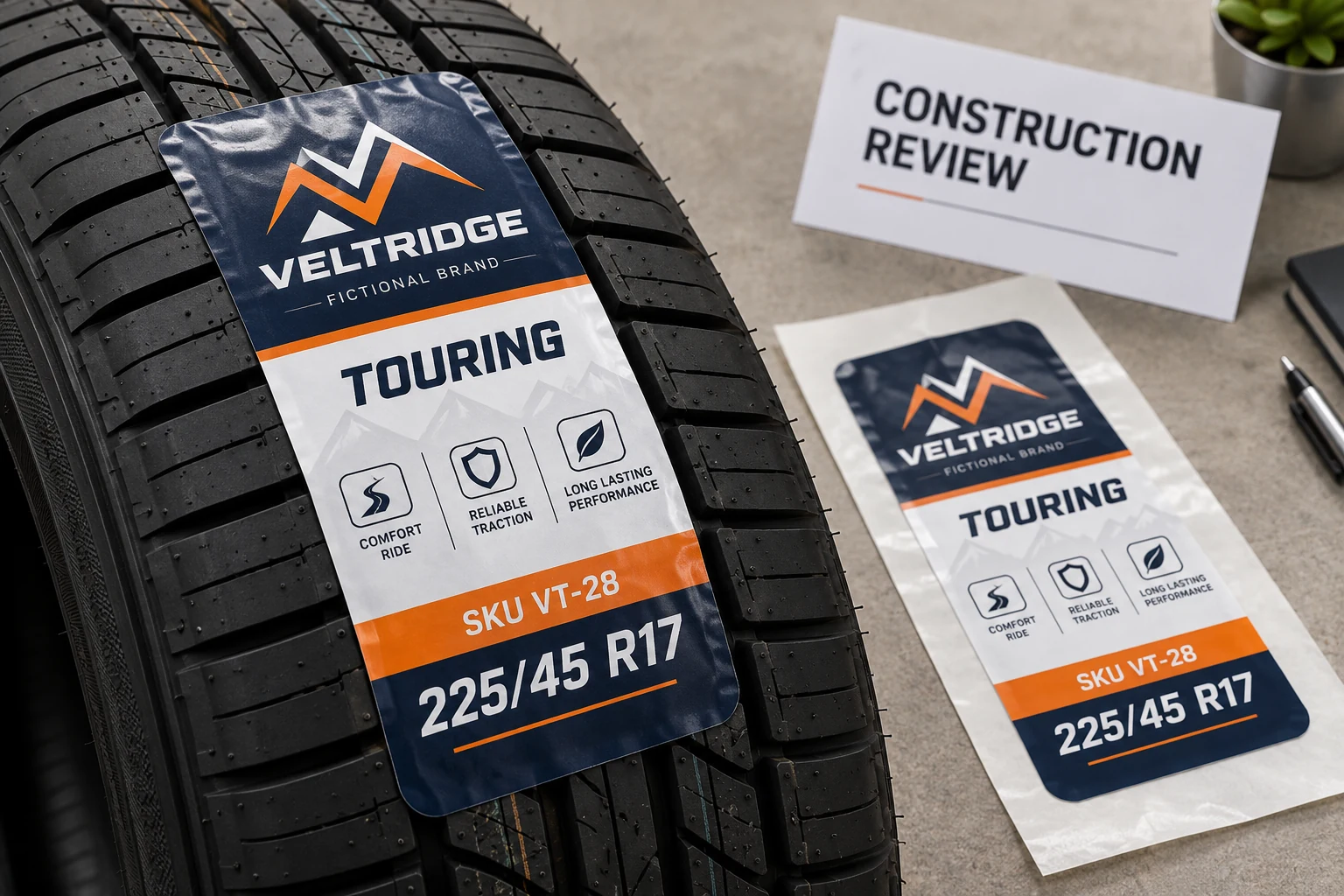
Separate tire label staining from adhesion and rub damage. Review barrier construction, sample identity and rubber-contact observations before ordering.
Read buyer guide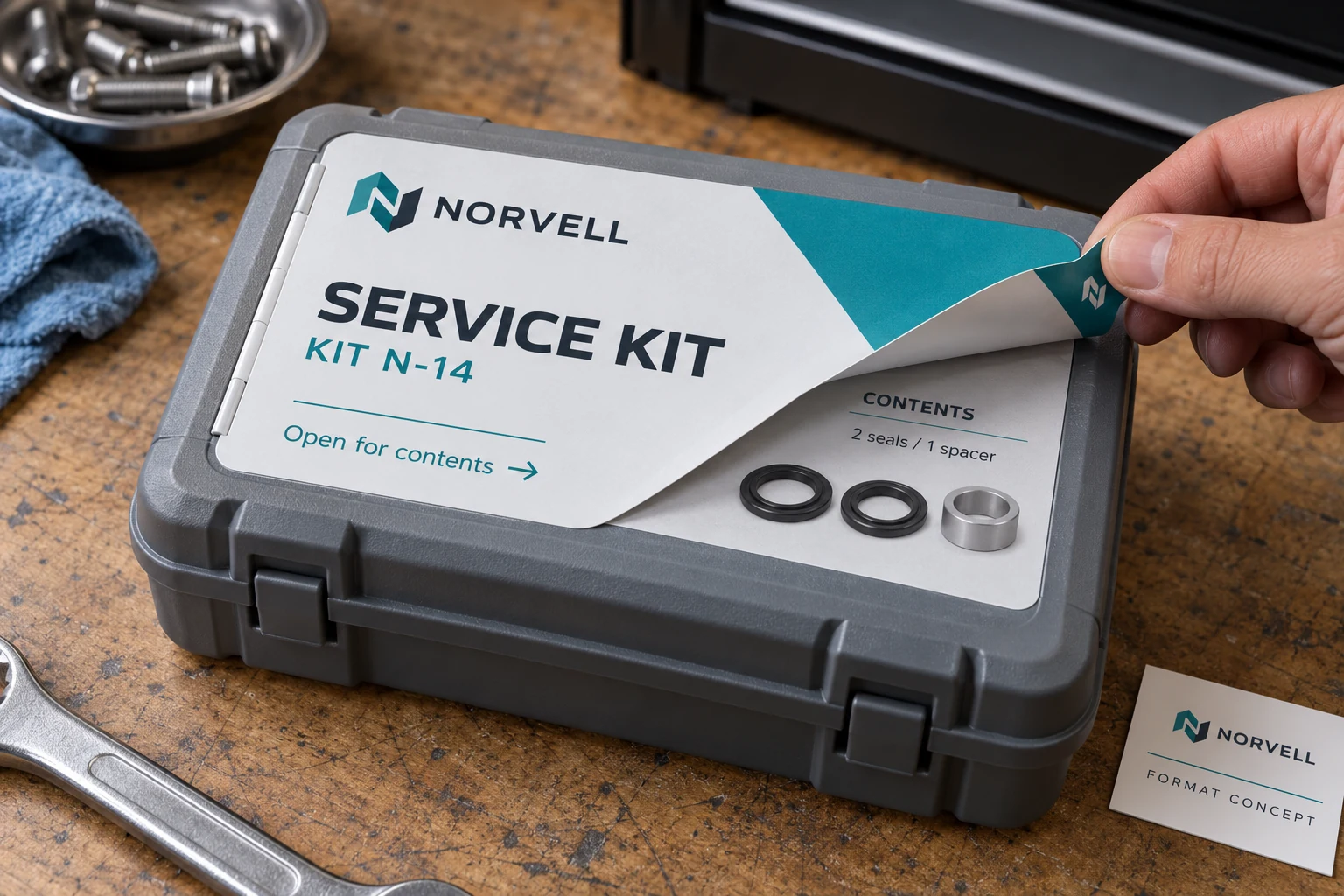
Review peel-and-reveal industrial label visibility, opening and reseal sequence. Compare a flat-label alternative before requesting format feasibility.
Read buyer guide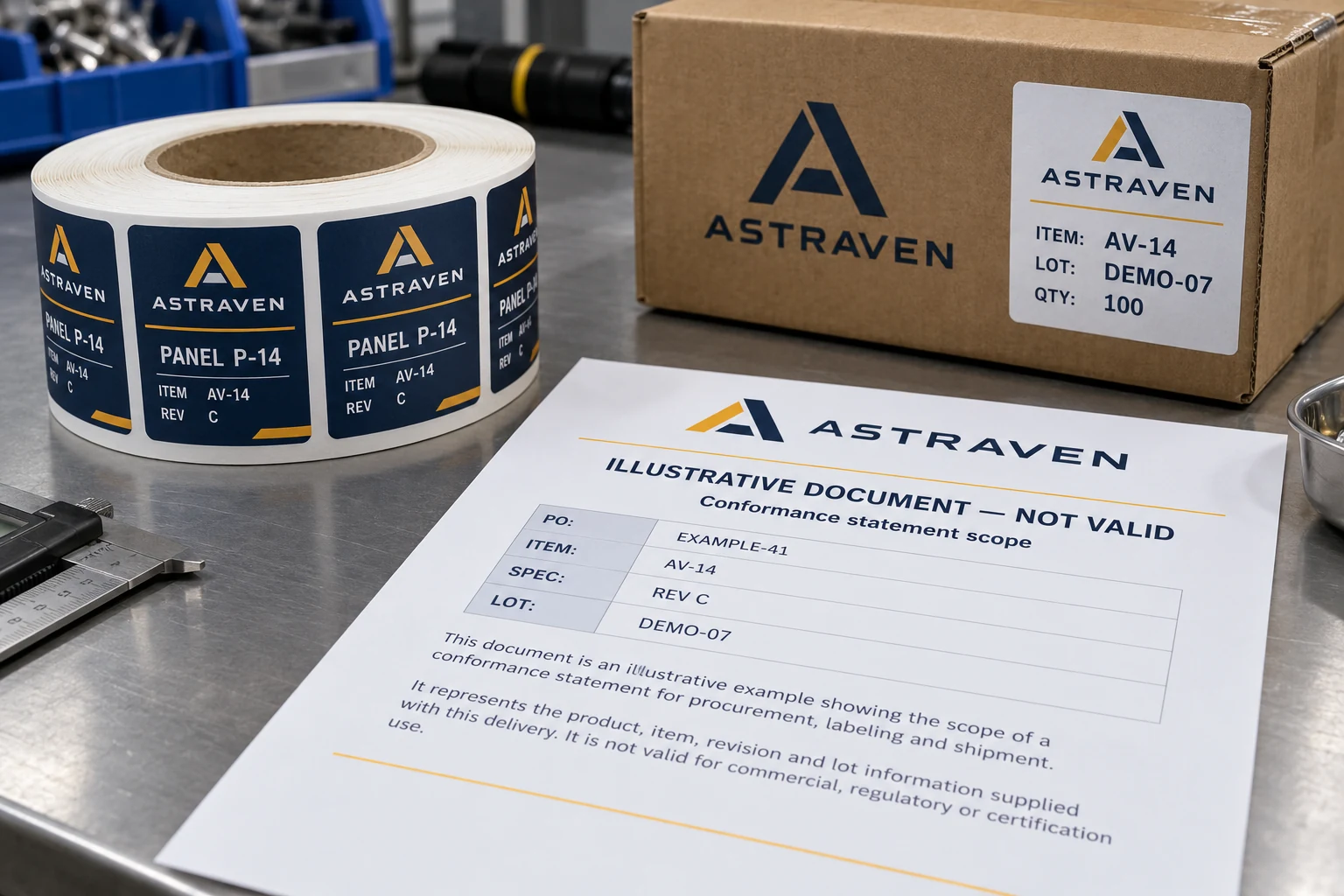
Define what a label order conformance statement identifies. Match item, specification and shipment references without confusing statements with test data.
Read buyer guide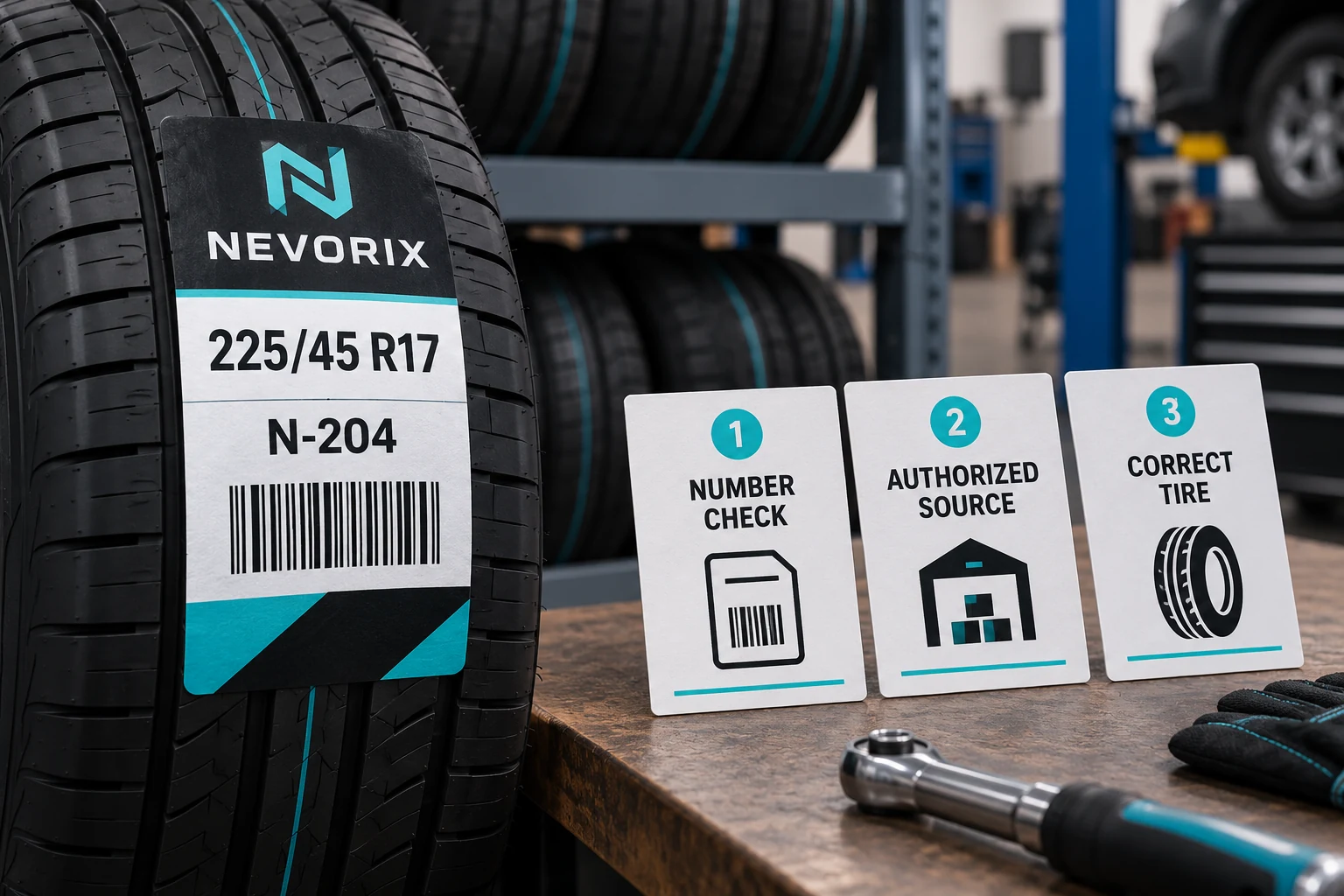
A valid GTIN check digit does not confirm the tire. Review numeric integrity, authorized allocation and product association as separate data gates before print.
Read buyer guide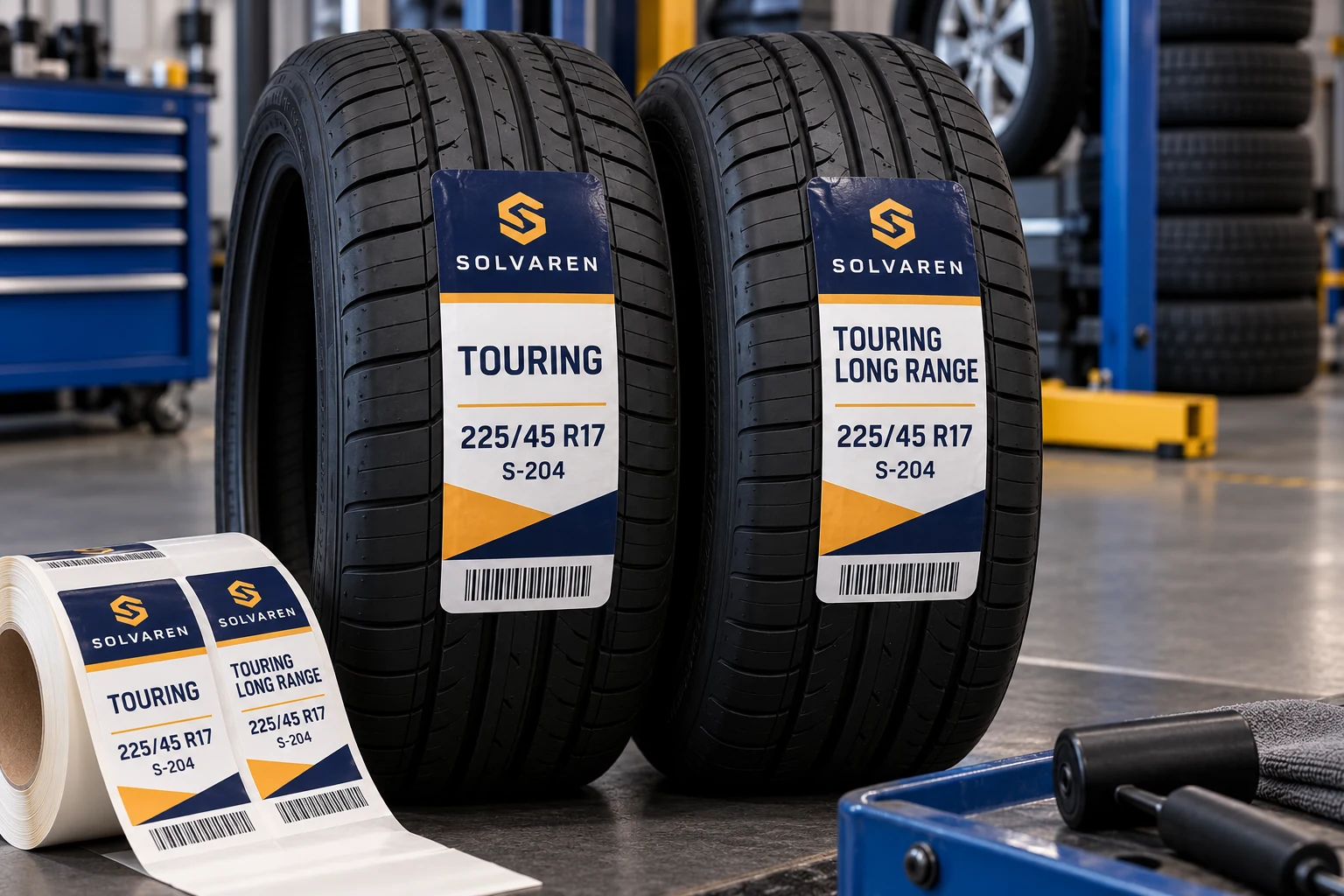
Test long tire model names against the complete label. Approve wrapping, field growth or exact abbreviations using boundary records before automatic shrinking.
Read buyer guide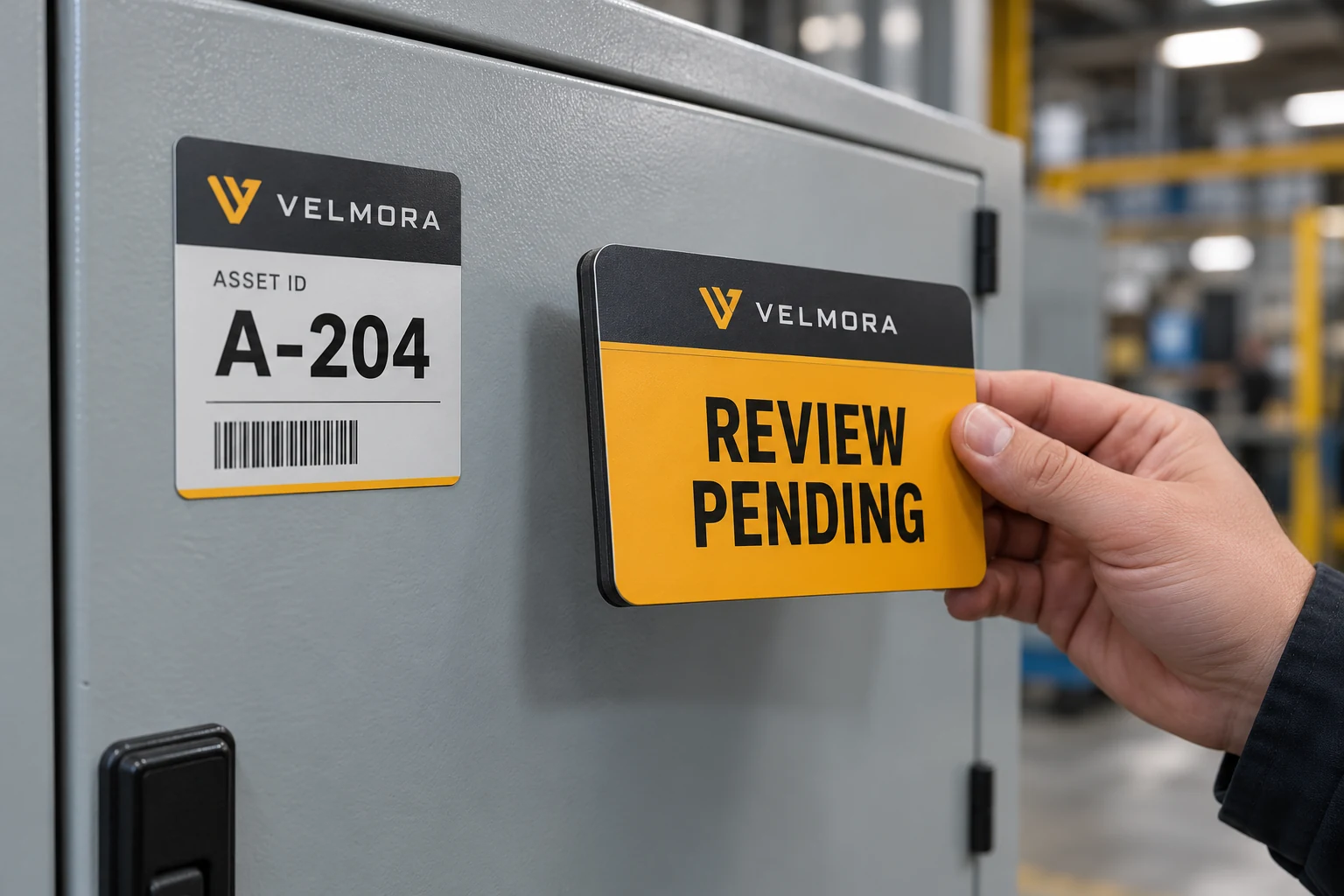
Review movable equipment status markers through placement, removal and reassignment. Confirm the actual surface and keep stable asset identity separate.
Read buyer guide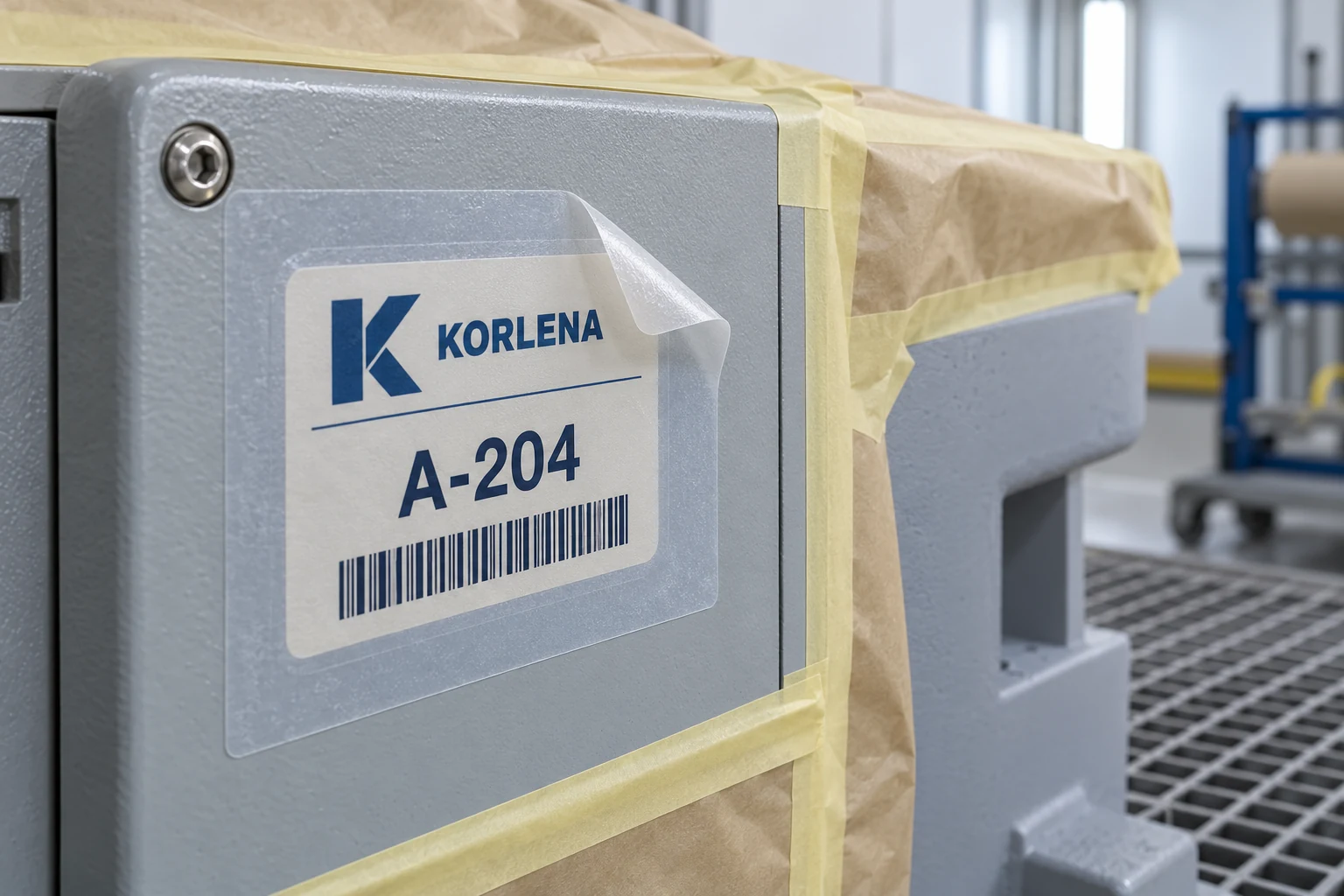
Plan equipment-label masking through exposure and removal. Record the protected boundary, process instructions and post-removal condition before choosing supply.
Read buyer guide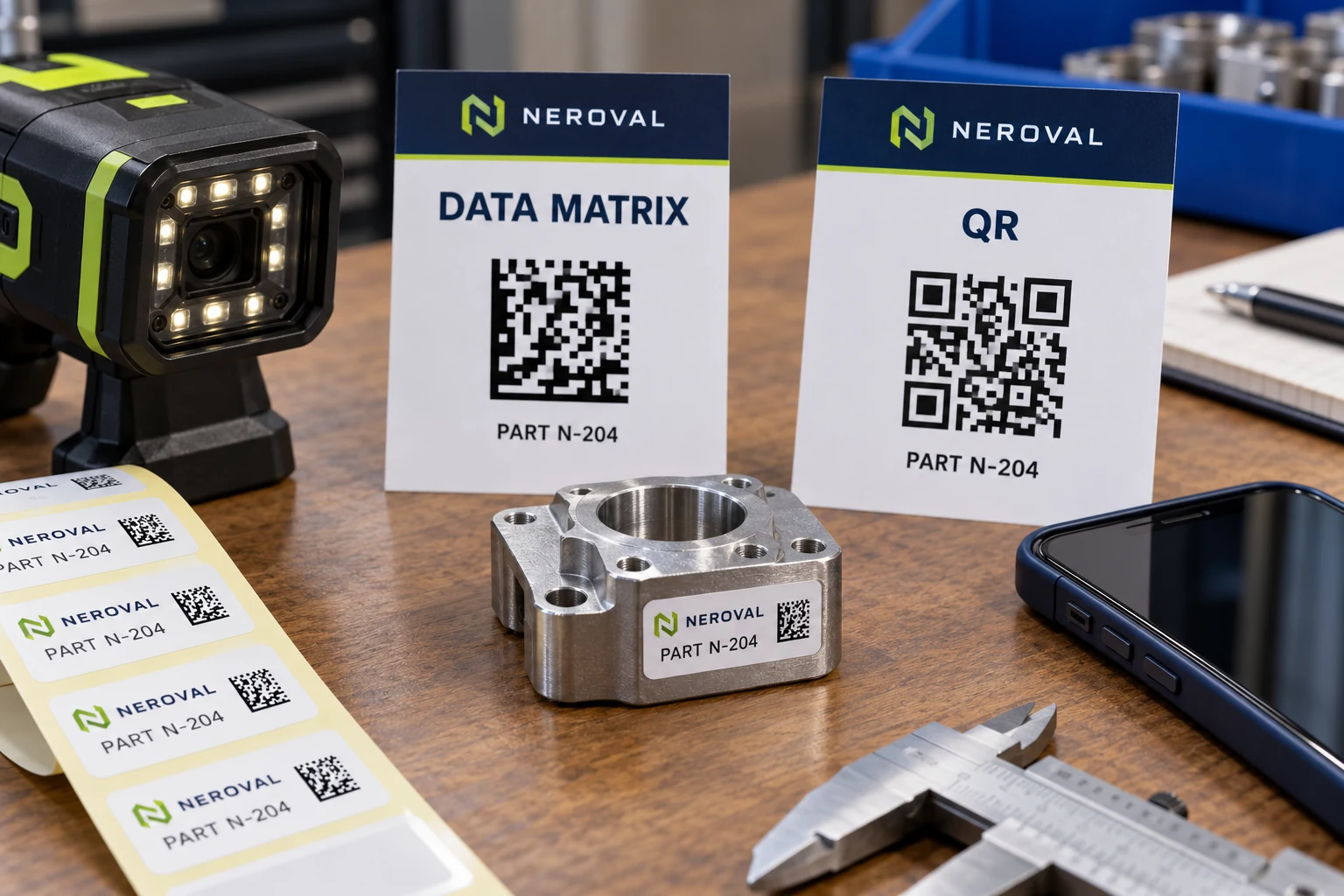
Compare Data Matrix and QR labels using approved data, intended readers and actual usable area. Review final output without assuming every camera supports both.
Read buyer guide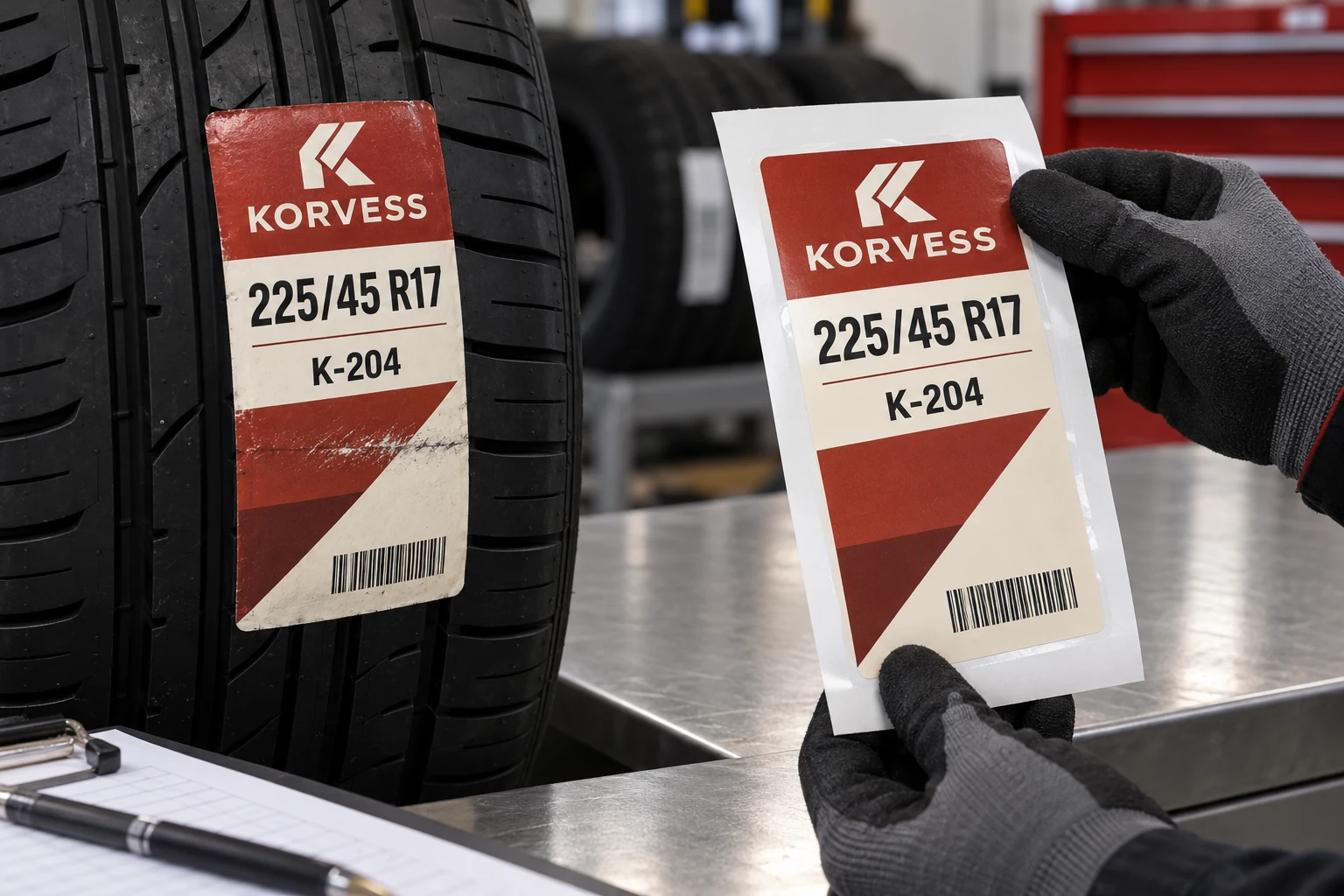
Investigate tire-label face damage and possible transfer using a handling-path record. Compare finishes against readability needs without assuming adhesion failed.
Read buyer guide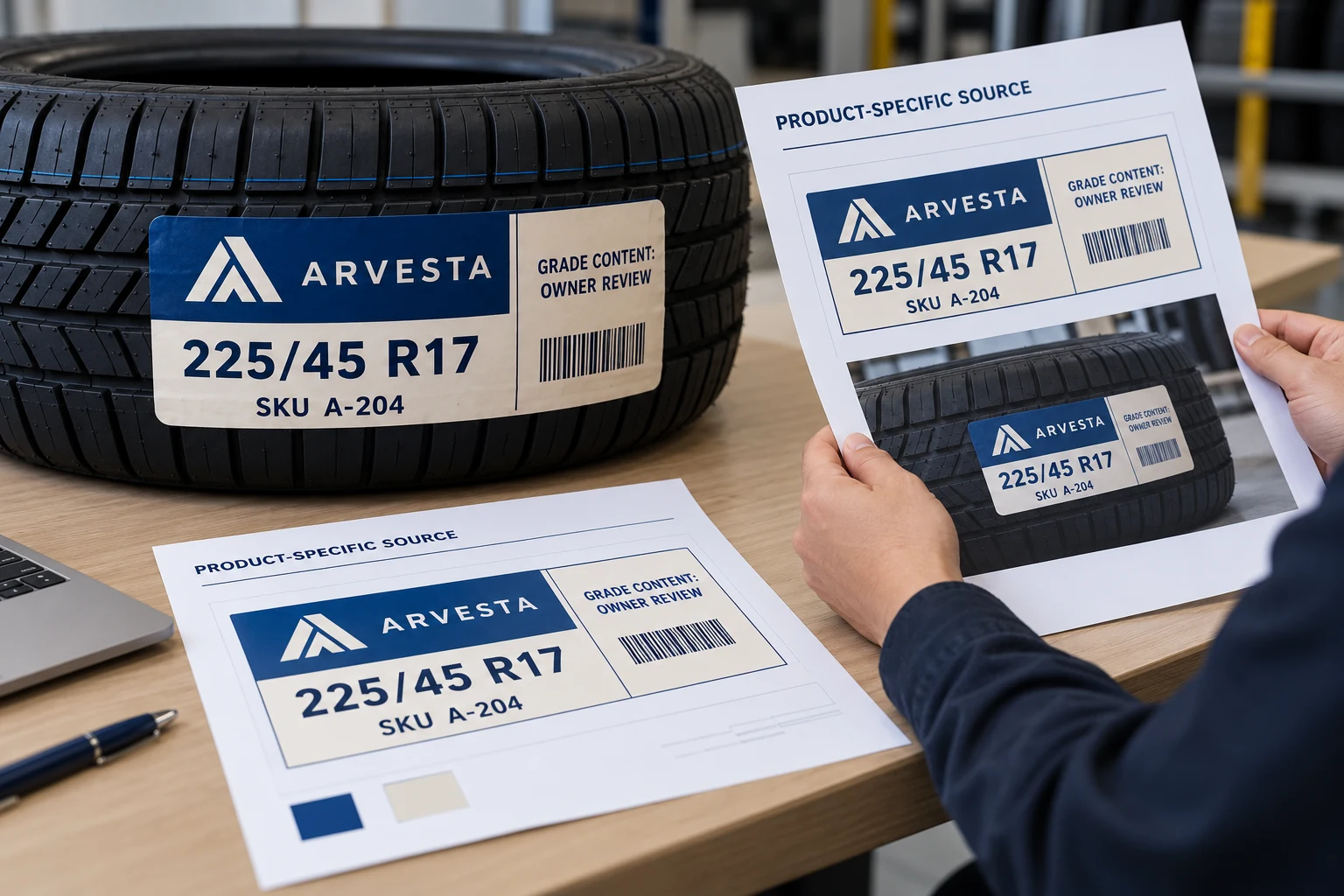
Review UTQG label wording without turning a comparative grade into a mileage promise. Connect sales claims, warranties and product scope to separate evidence.
Read buyer guide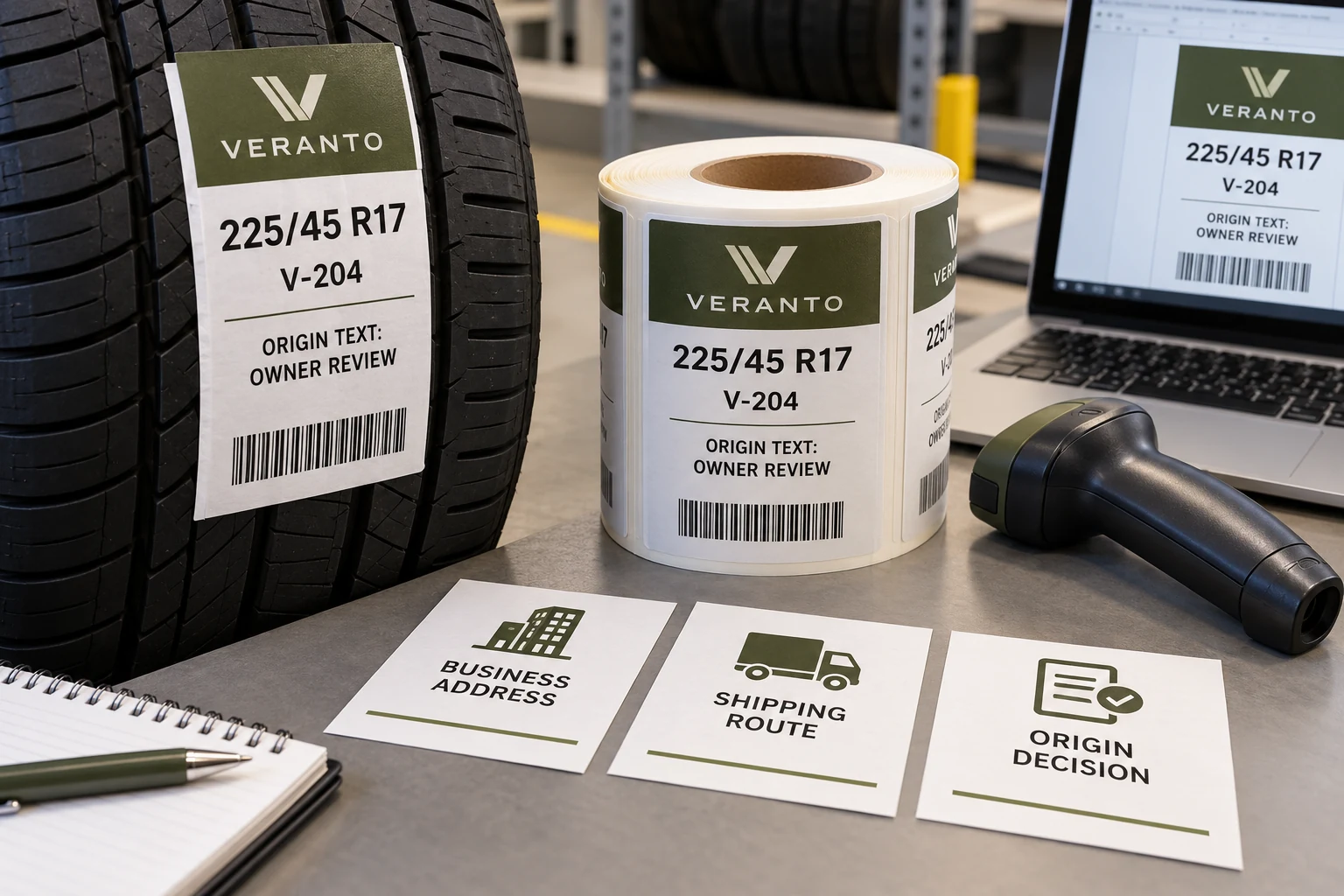
Keep origin wording separate from a tire brand address or shipping route. Obtain the exact authorized statement and product scope before label printing.
Read buyer guide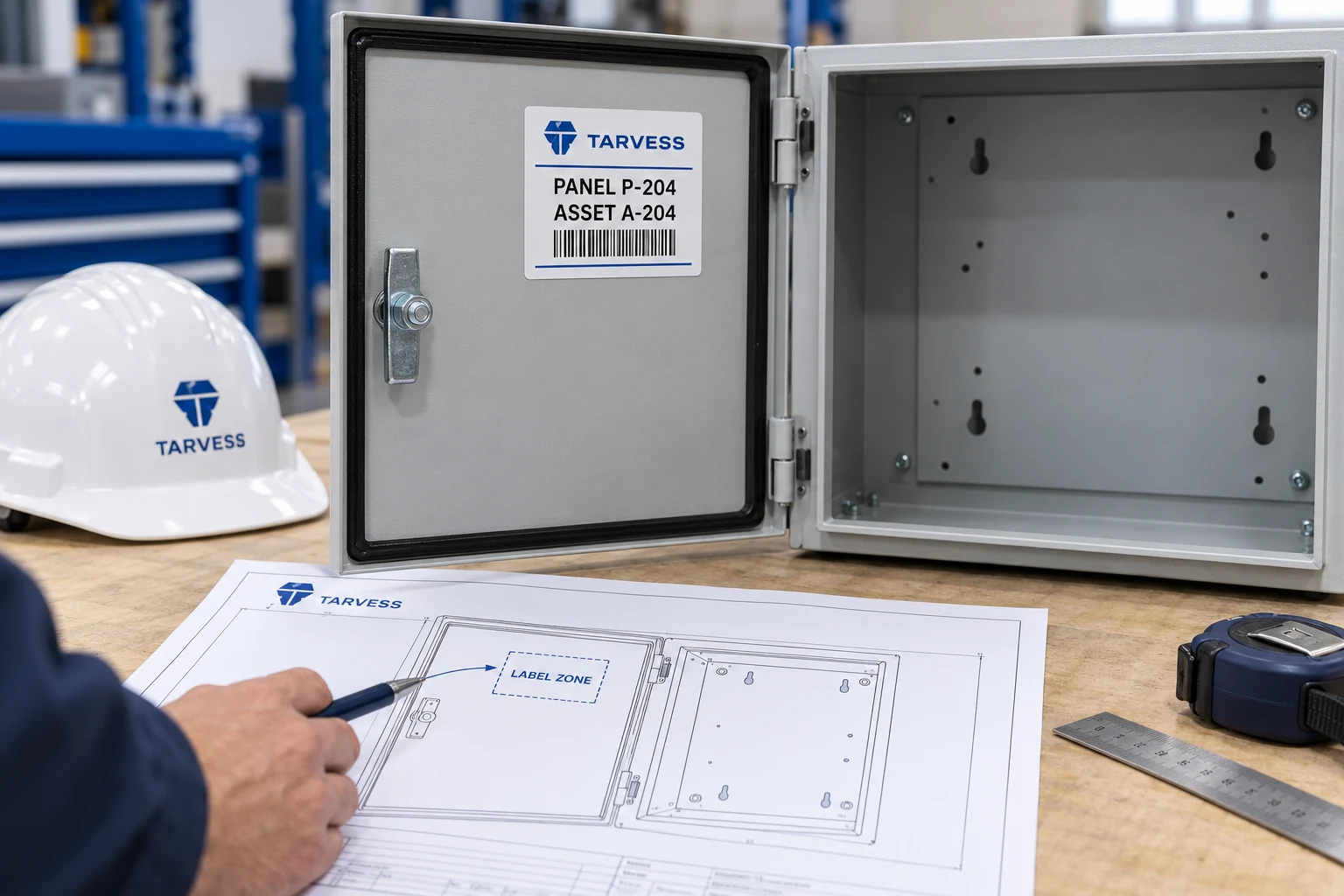
Approve enclosure-label construction and location with the equipment owner. Keep identification separate from insulation and preserve required equipment markings.
Read buyer guide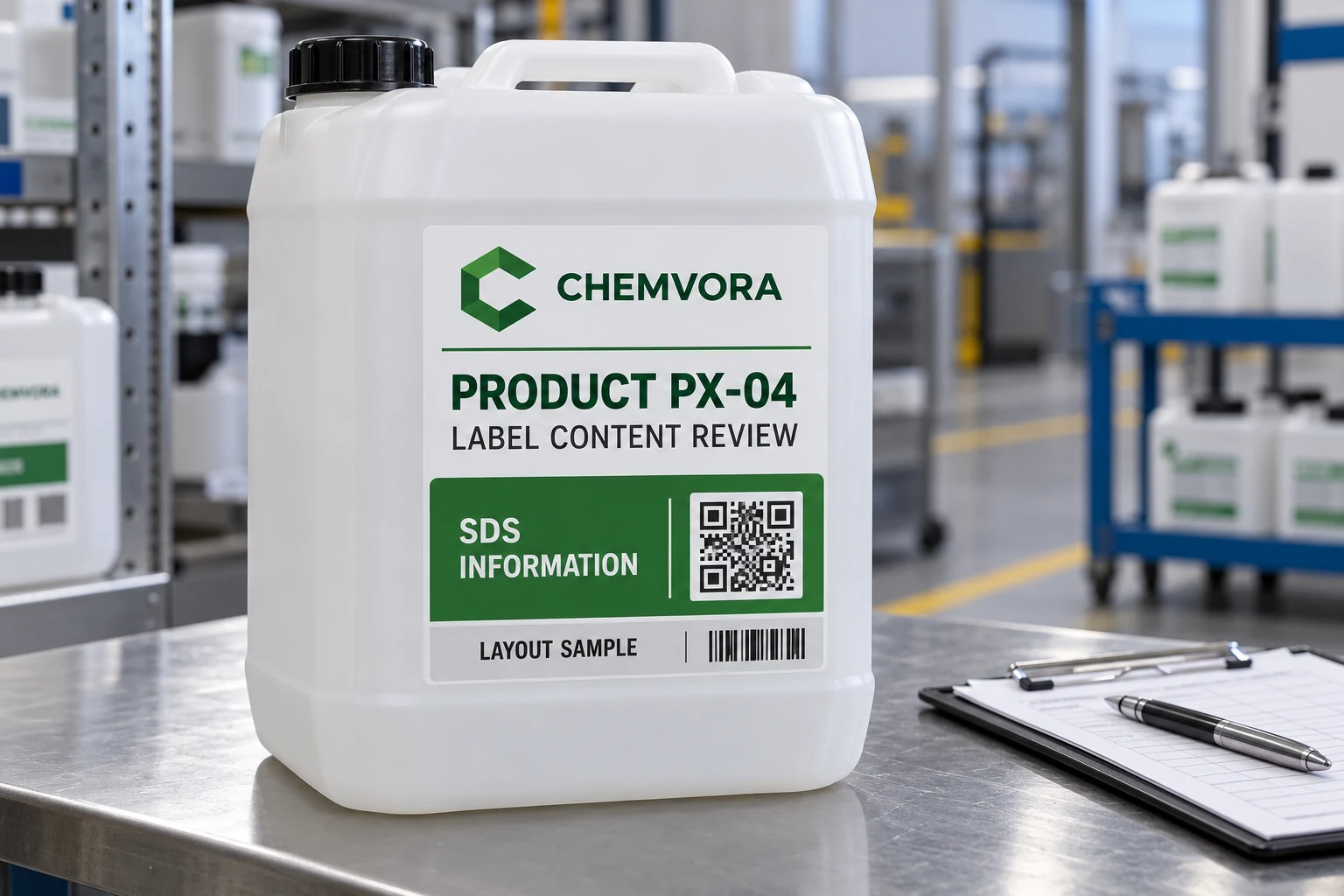
Keep approved chemical-label information visible while reviewing supplemental SDS access. Check container context, product mapping and the digital-access route.
Read buyer guide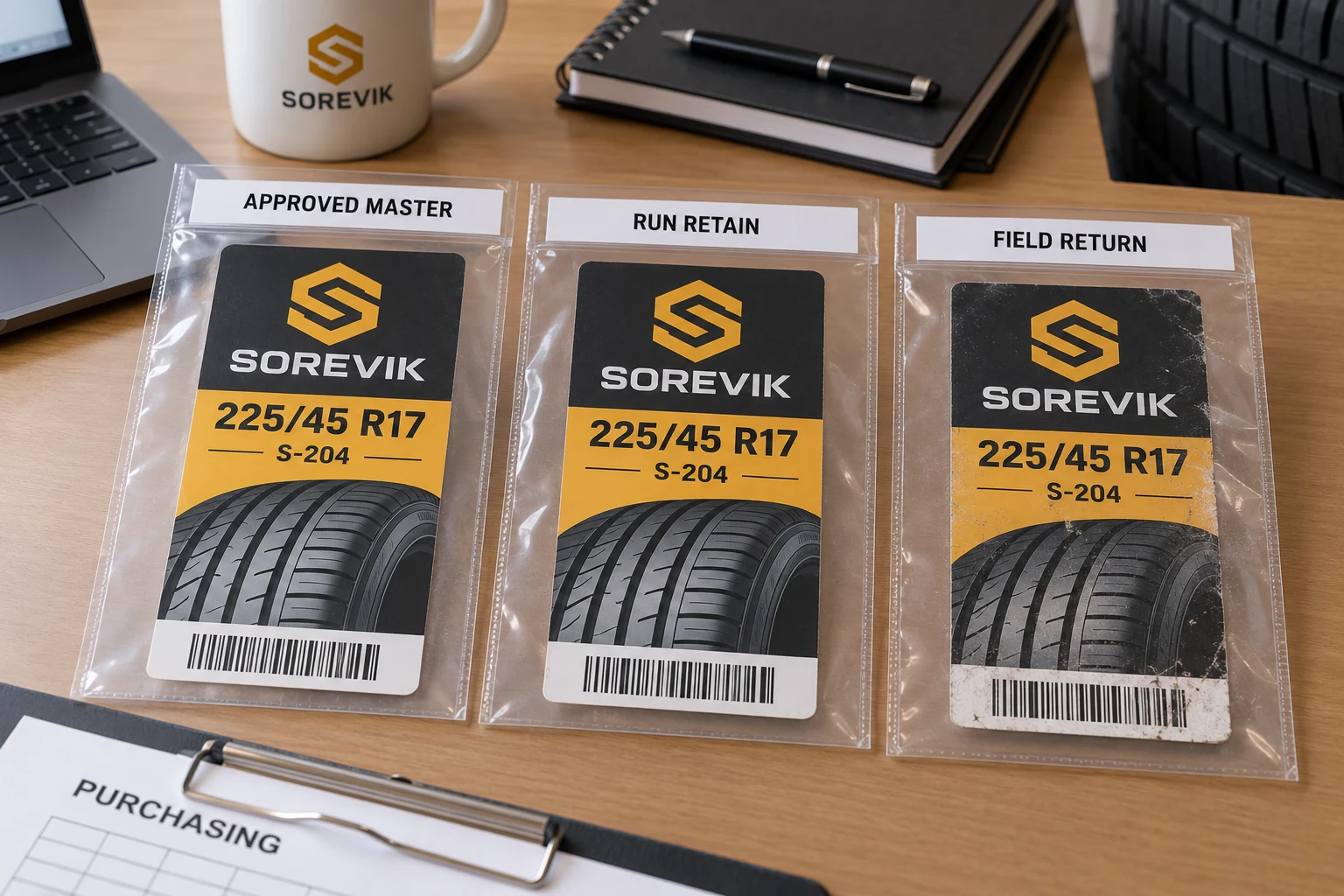
Choose the right tire-label reorder reference. Separate approved masters, production retains and field returns by provenance, condition and comparison scope.
Read buyer guide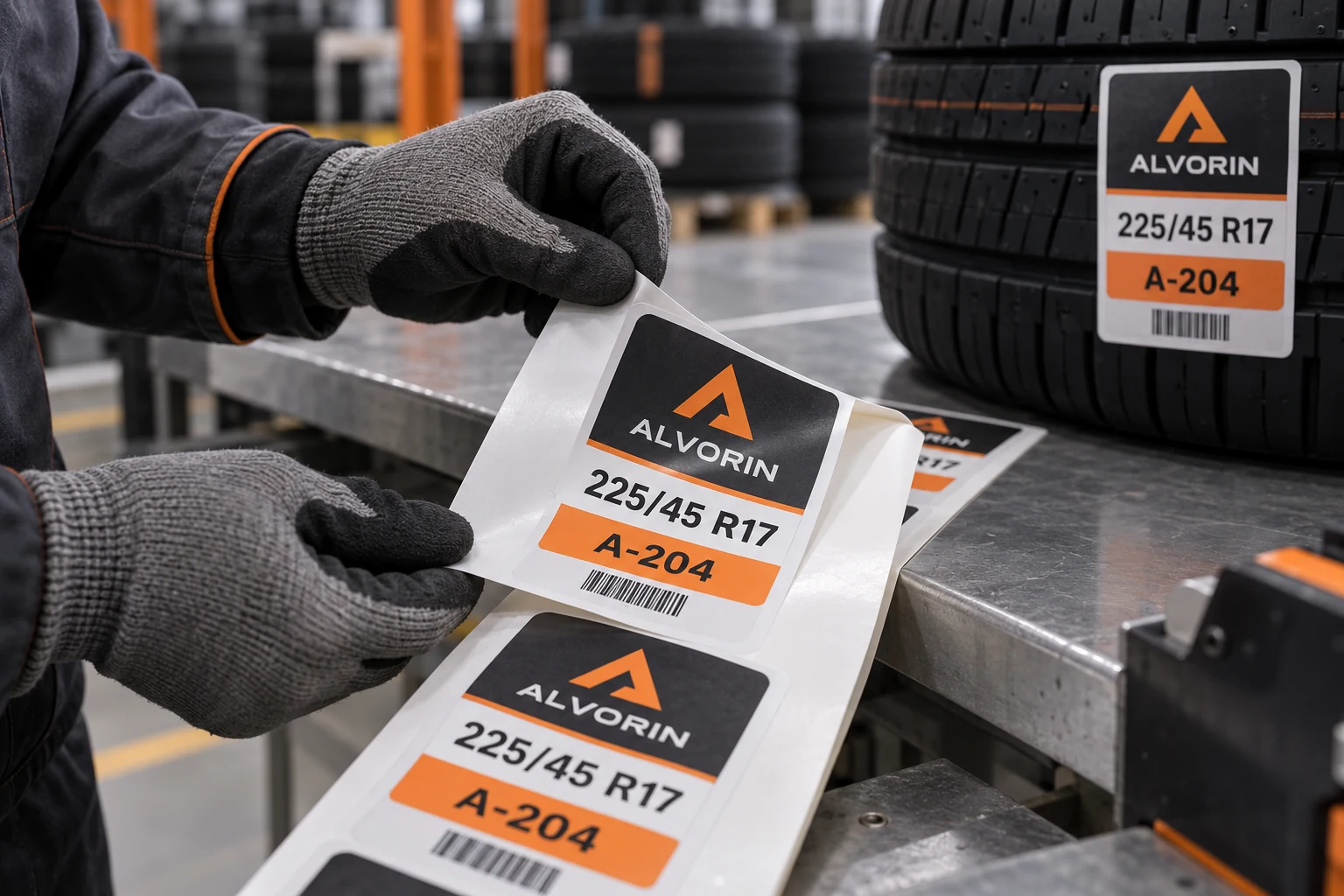
Review tire-label peel start with the intended gloves, liner support and dispenser. Separate handling difficulty from adhesion before changing construction.
Read buyer guide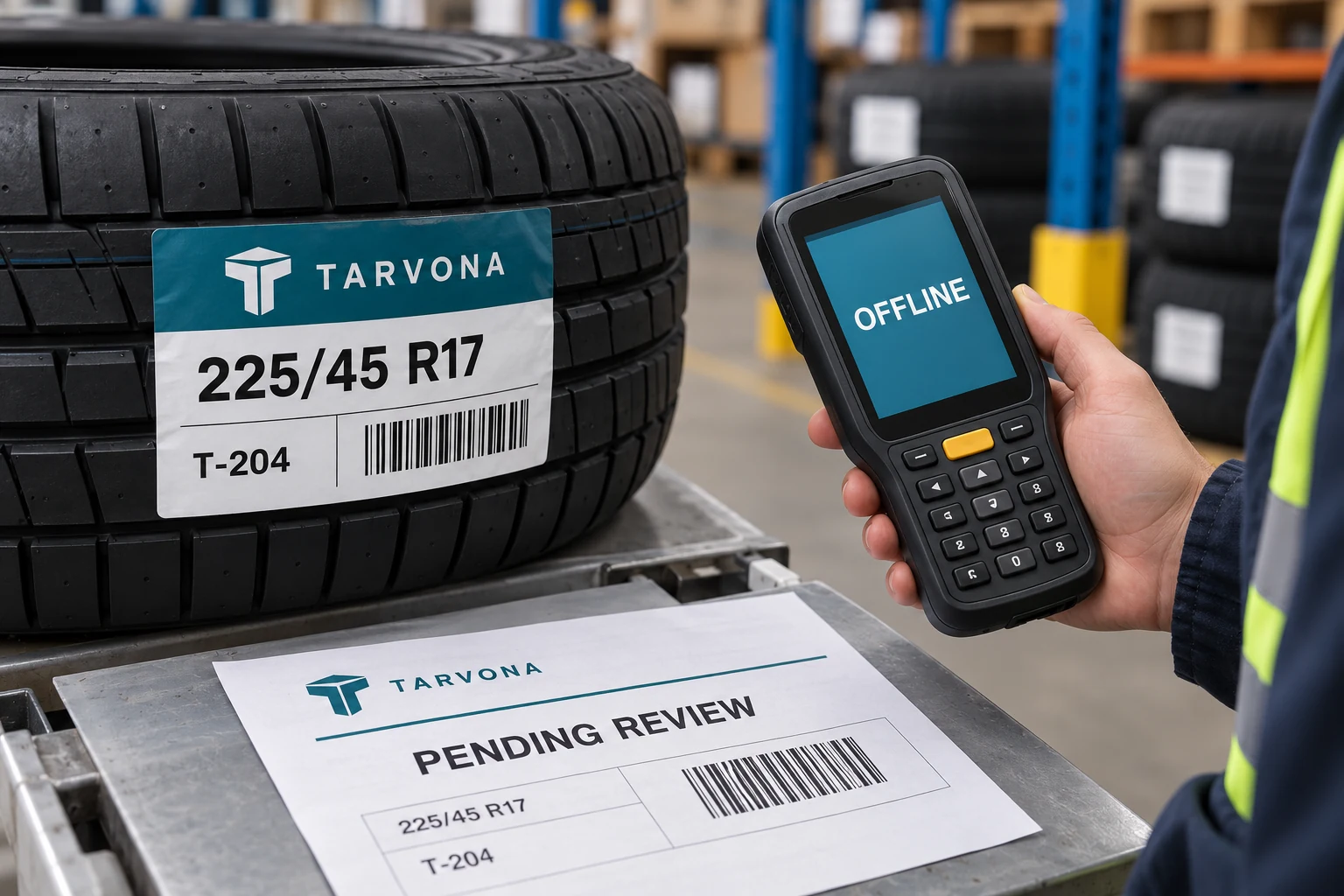
Investigate offline tire-scan duplicates by event history. Separate printed identity from pending, retried and synchronized transactions before reprinting.
Read buyer guide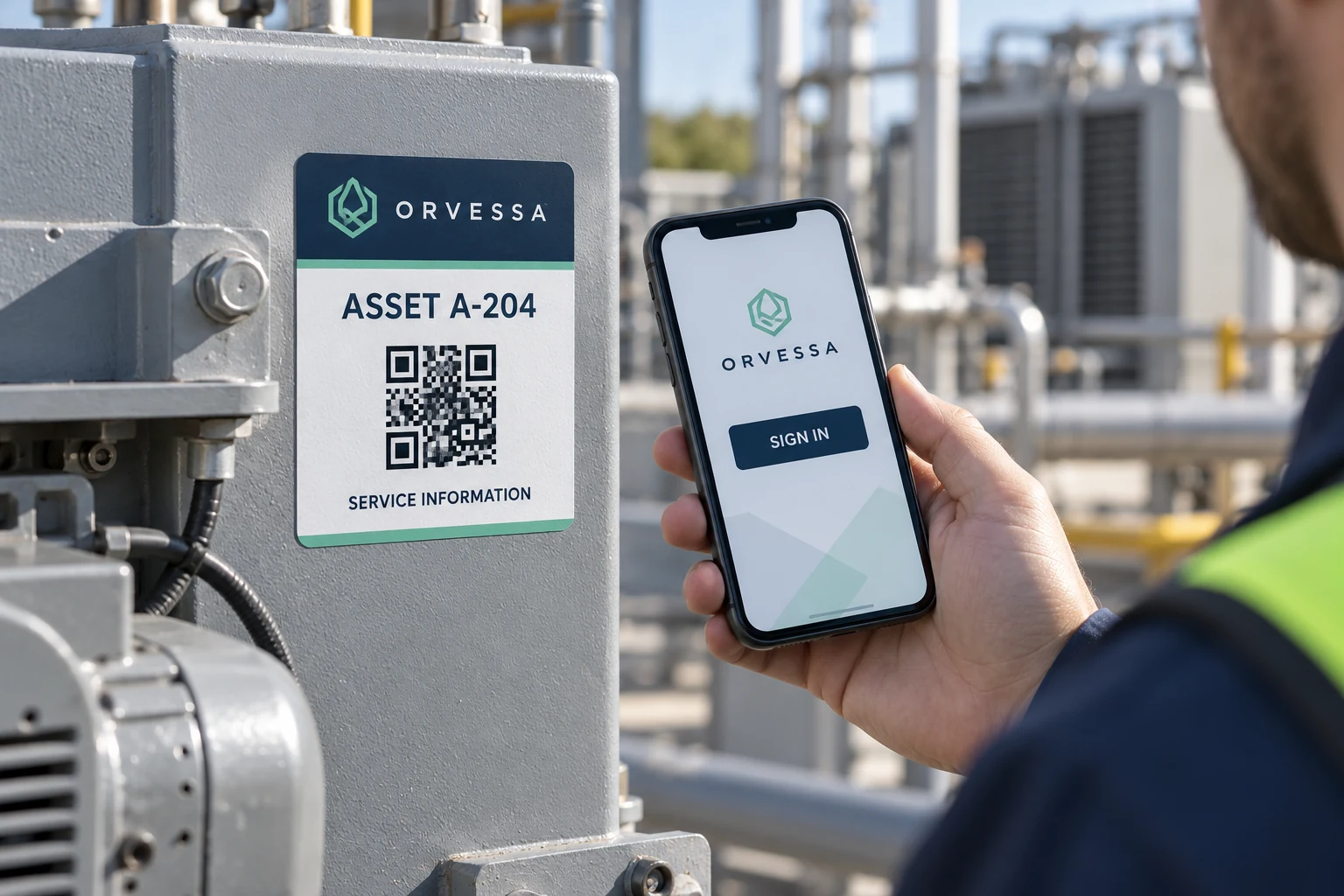
Keep printed equipment QR codes free of secrets. Review public content, restricted records and copied-code behavior with the application's authorization owner.
Read buyer guide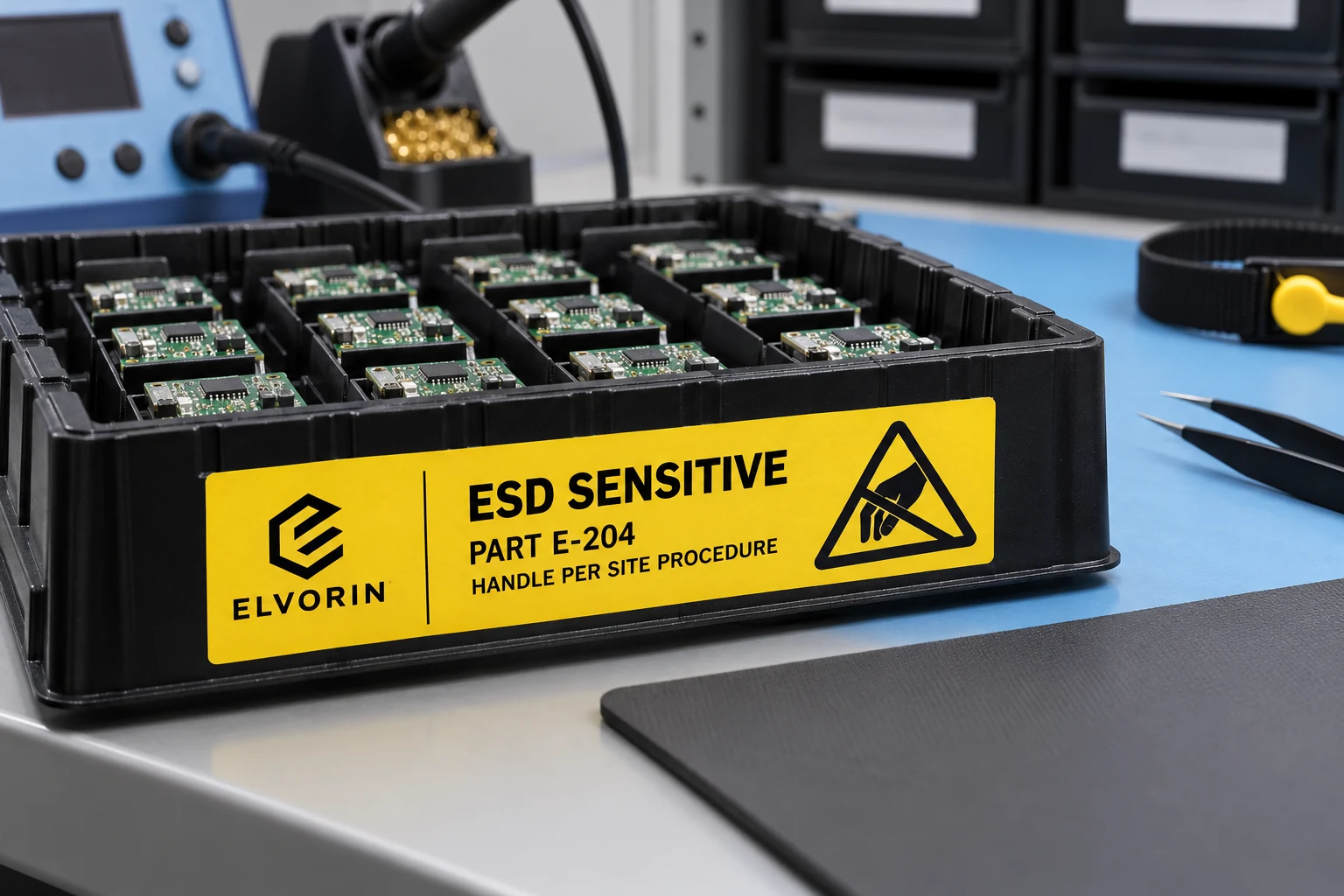
Select ESD label symbols by their approved purpose. Distinguish a susceptible item from a protective function without treating a printed mark as qualification.
Read buyer guide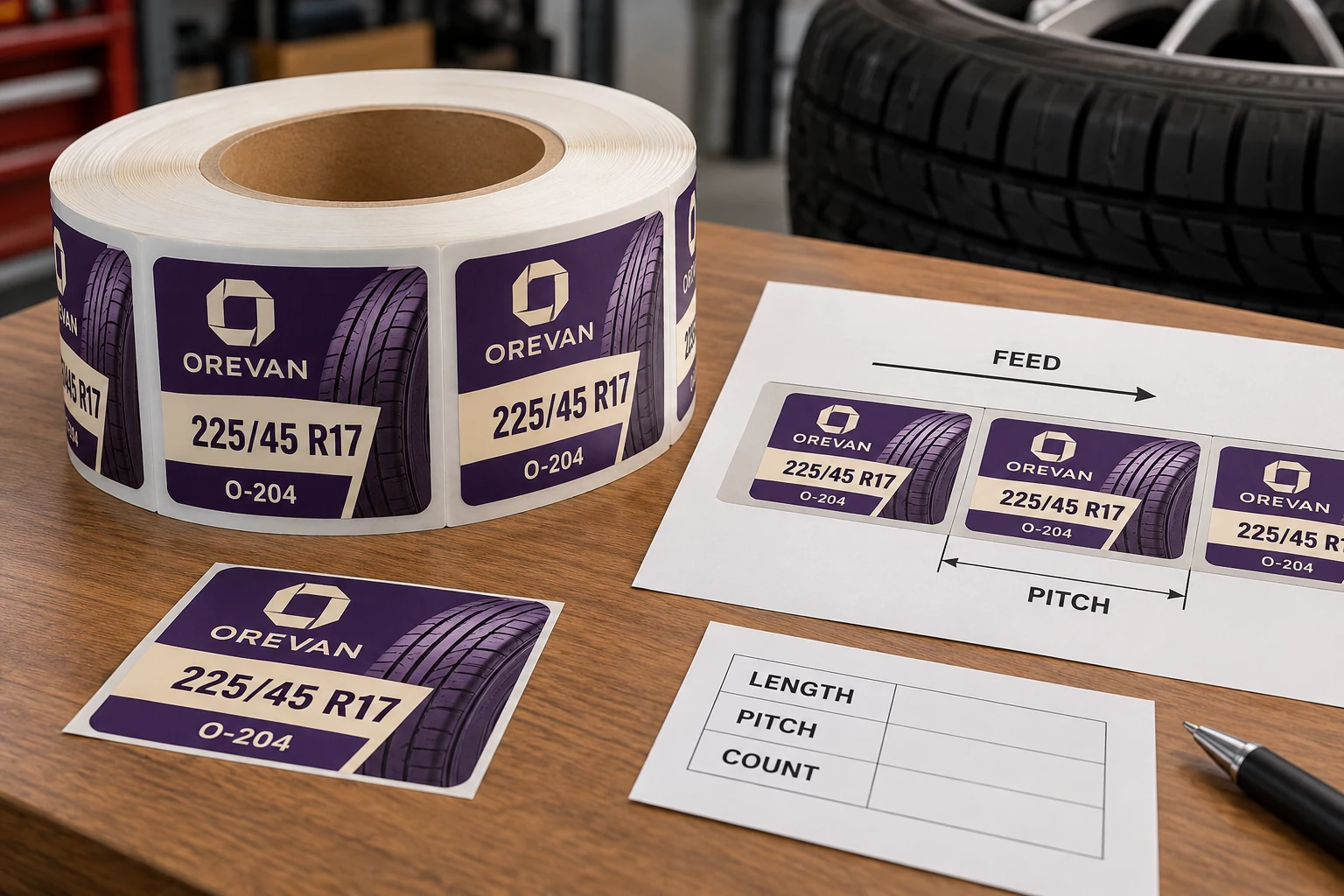
Compare meter-based and count-based tire-label quotes using the approved feed pitch. Keep nominal repeat positions separate from usable delivered labels.
Read buyer guide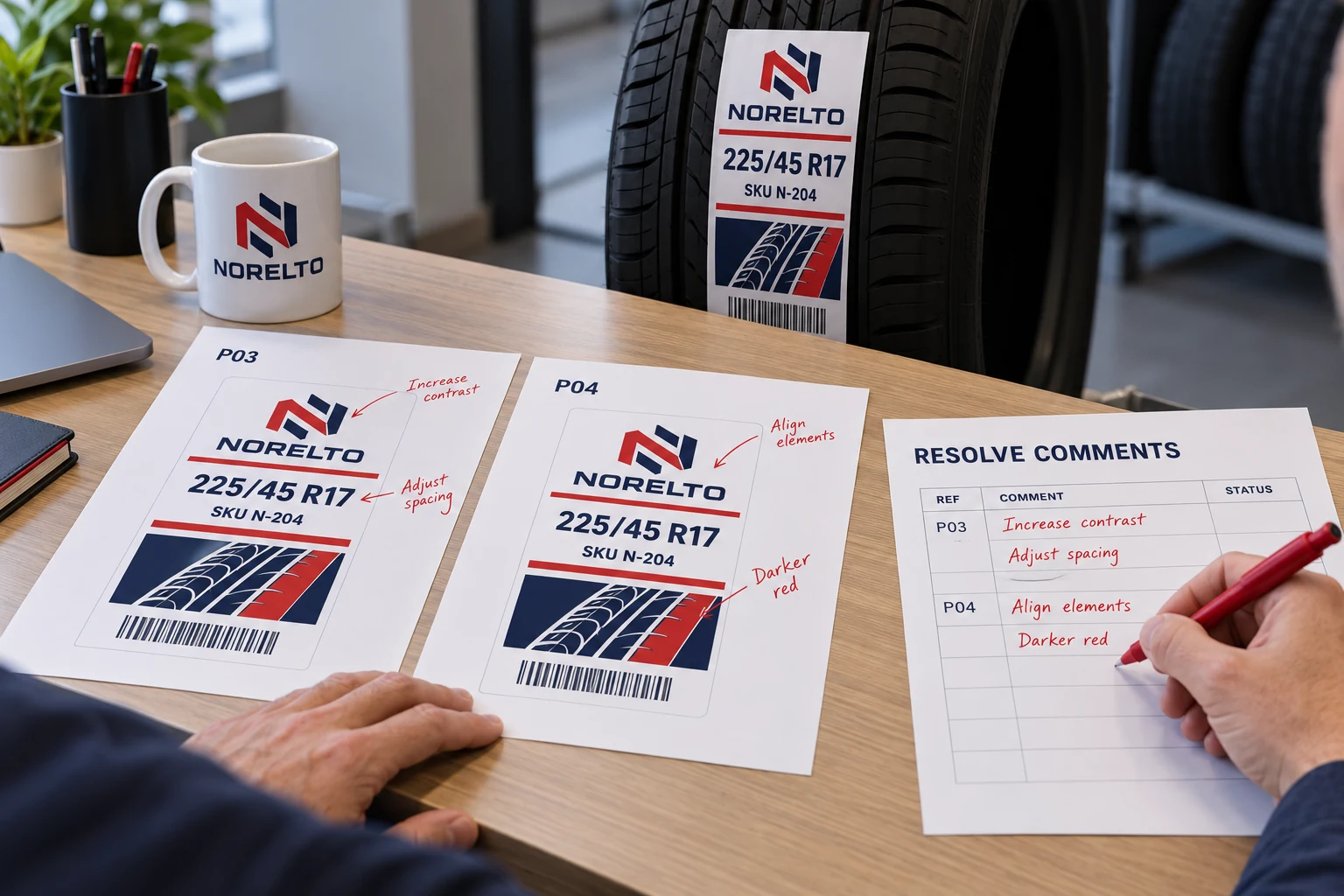
Resolve conflicting tire-label proof comments into one complete release. Keep decision owners, comment dispositions and the final artwork reference together.
Read buyer guide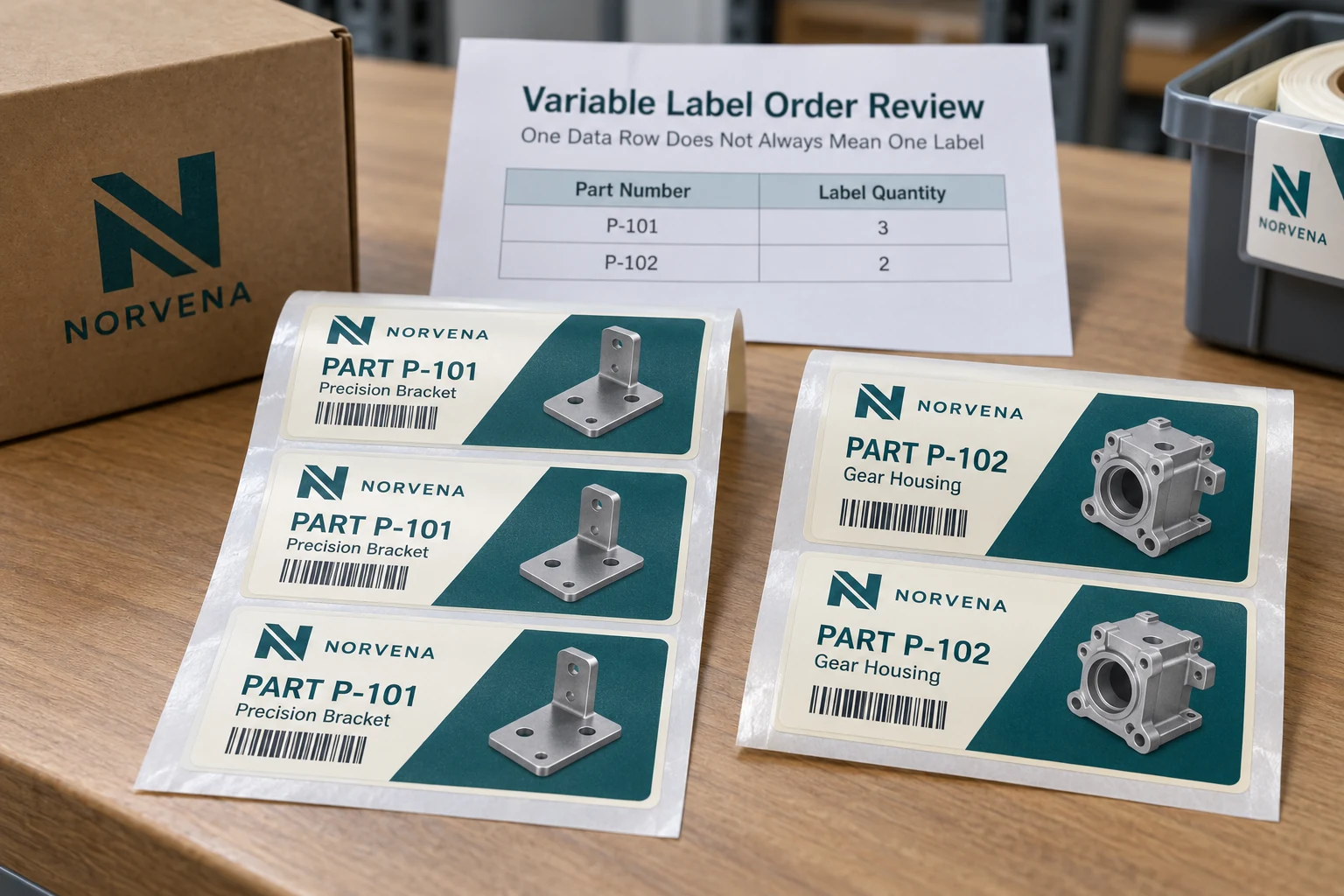
Reconcile variable-label row counts, repeat quantities and physical output. Define zero, blank and unique-ID rules before expanding data into print copies.
Read buyer guide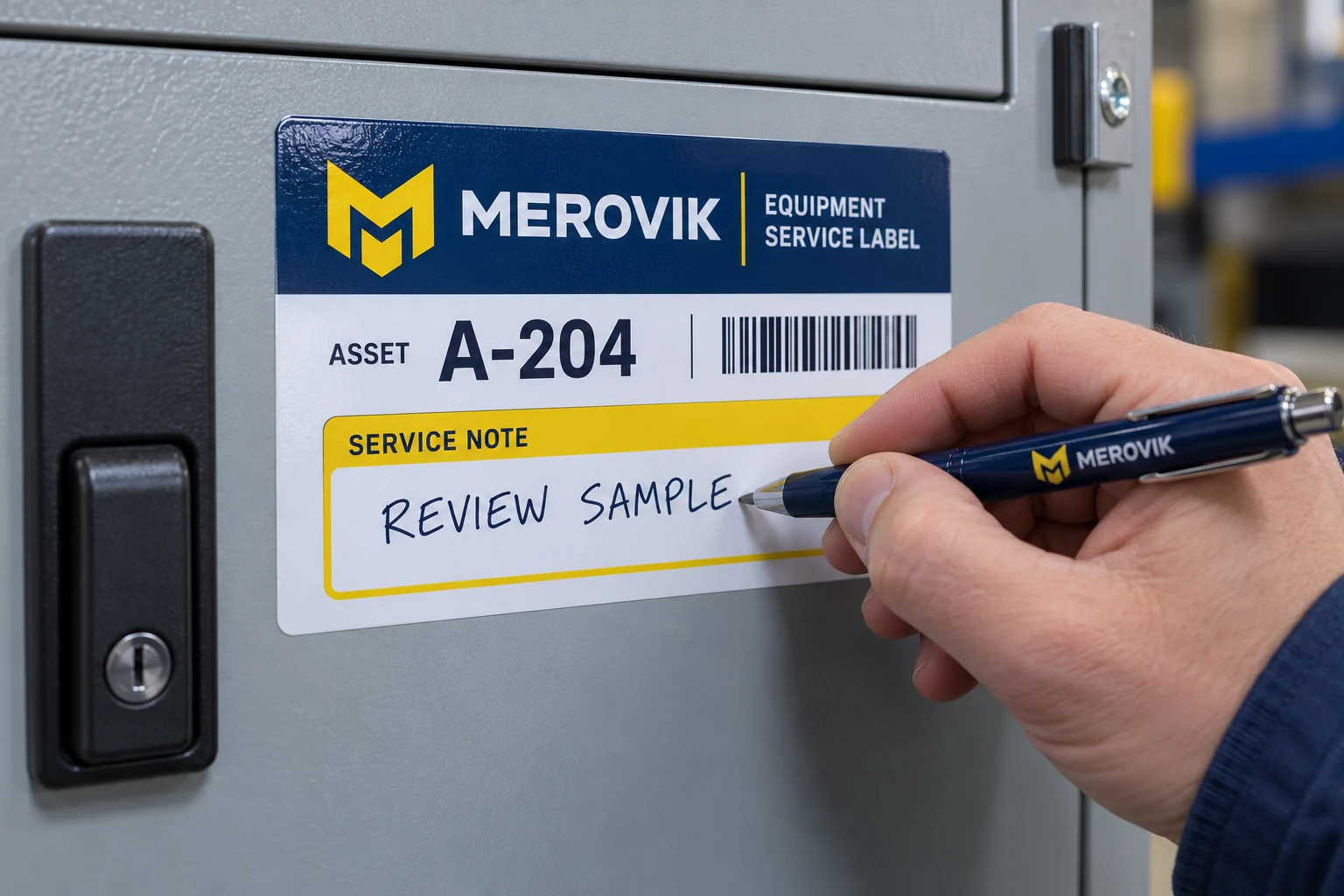
Test the intended pen on the finished equipment-label surface. Record writing, handling and exposure before approving a writable field or changing the finish.
Read buyer guide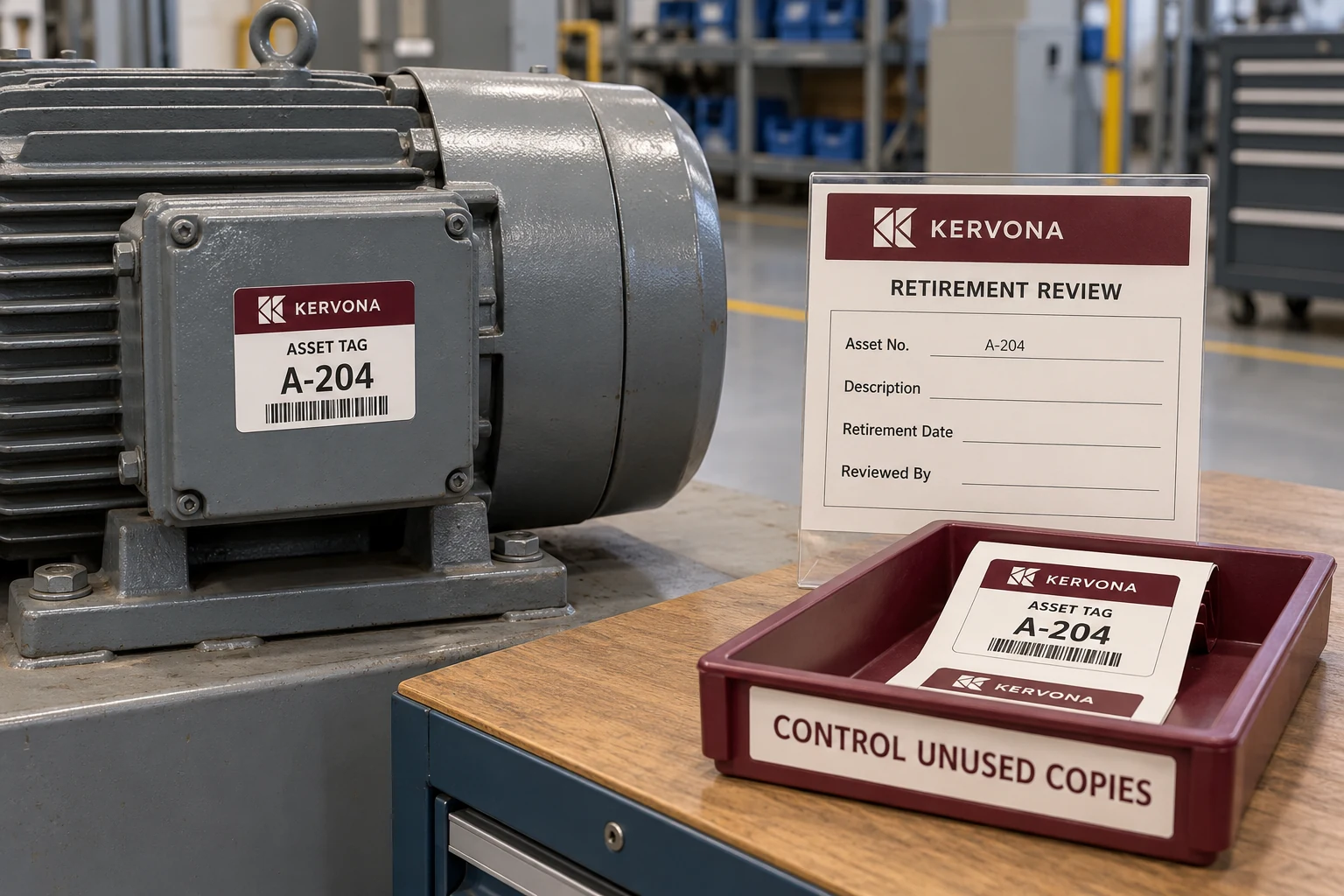
Close retired equipment IDs before issuing spare labels or reusing numbers. Reconcile asset status, unused copies and digital destinations while preserving history.
Read buyer guide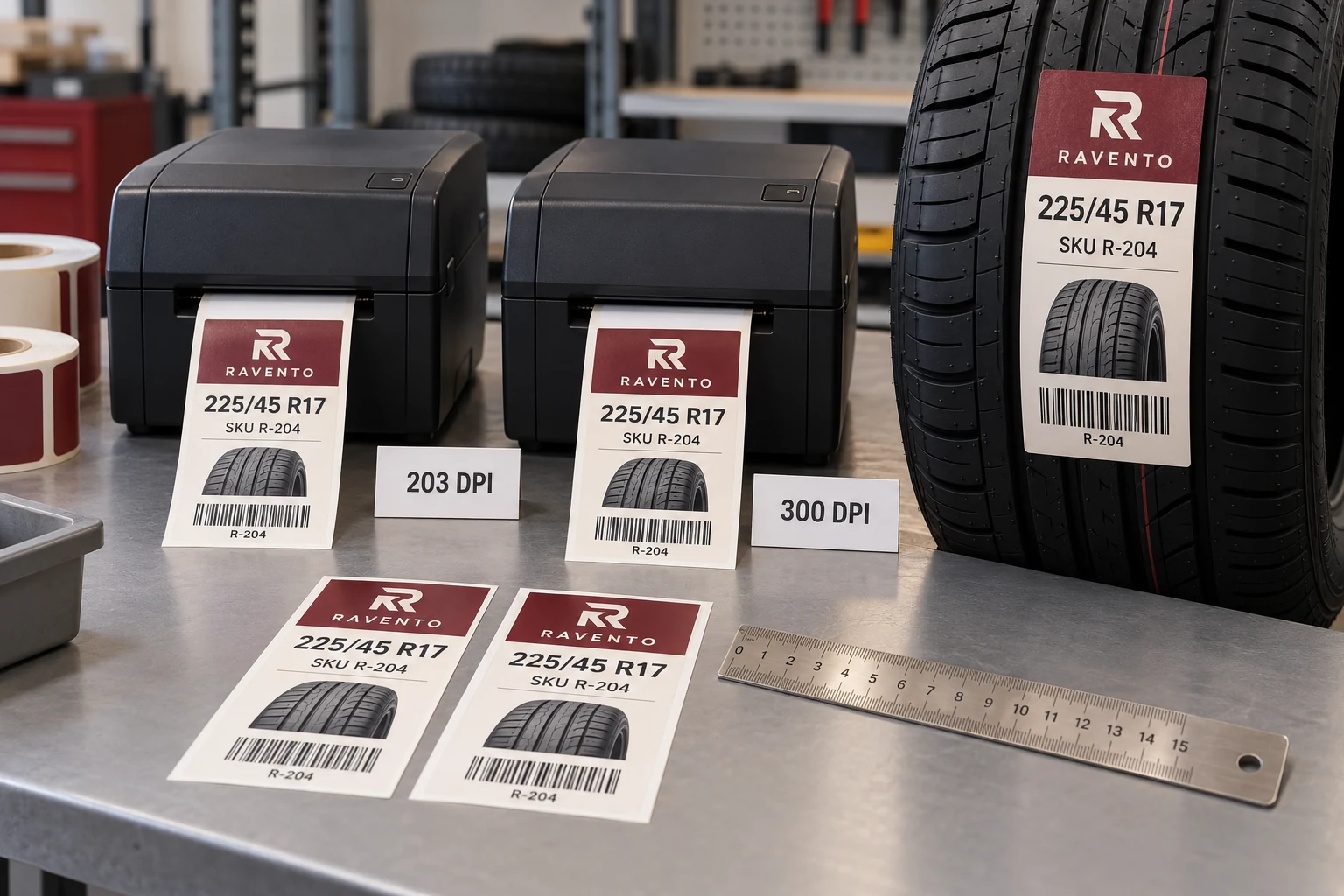
Moving a tire-label job to a different printer resolution? Compare dot-based settings, physical dimensions and approved data before releasing the new output.
Read buyer guide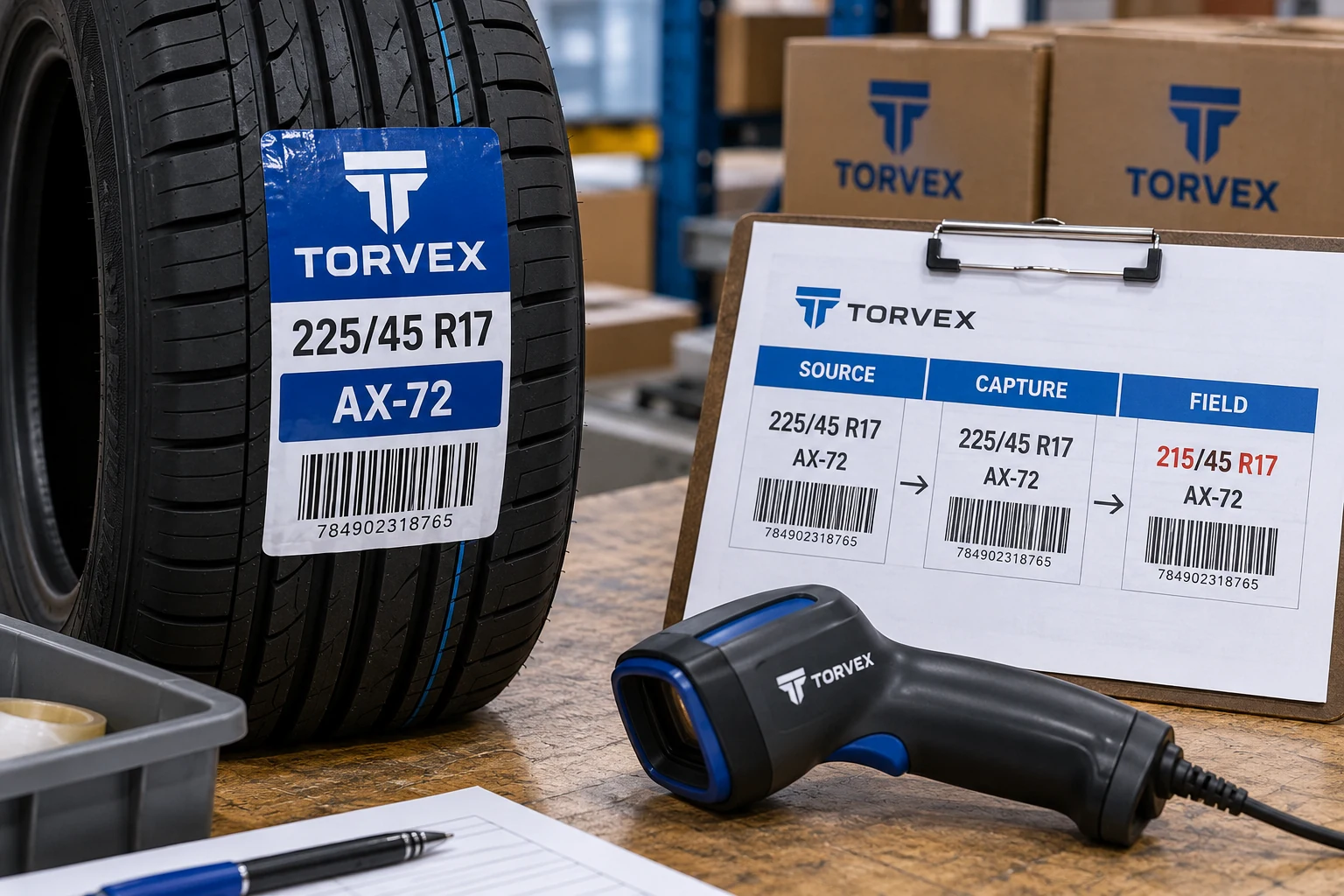
Separate barcode content from scanner formatting and receiving-field behavior. Trace prefixes, suffixes and stored values before ordering a tire-label reprint.
Read buyer guide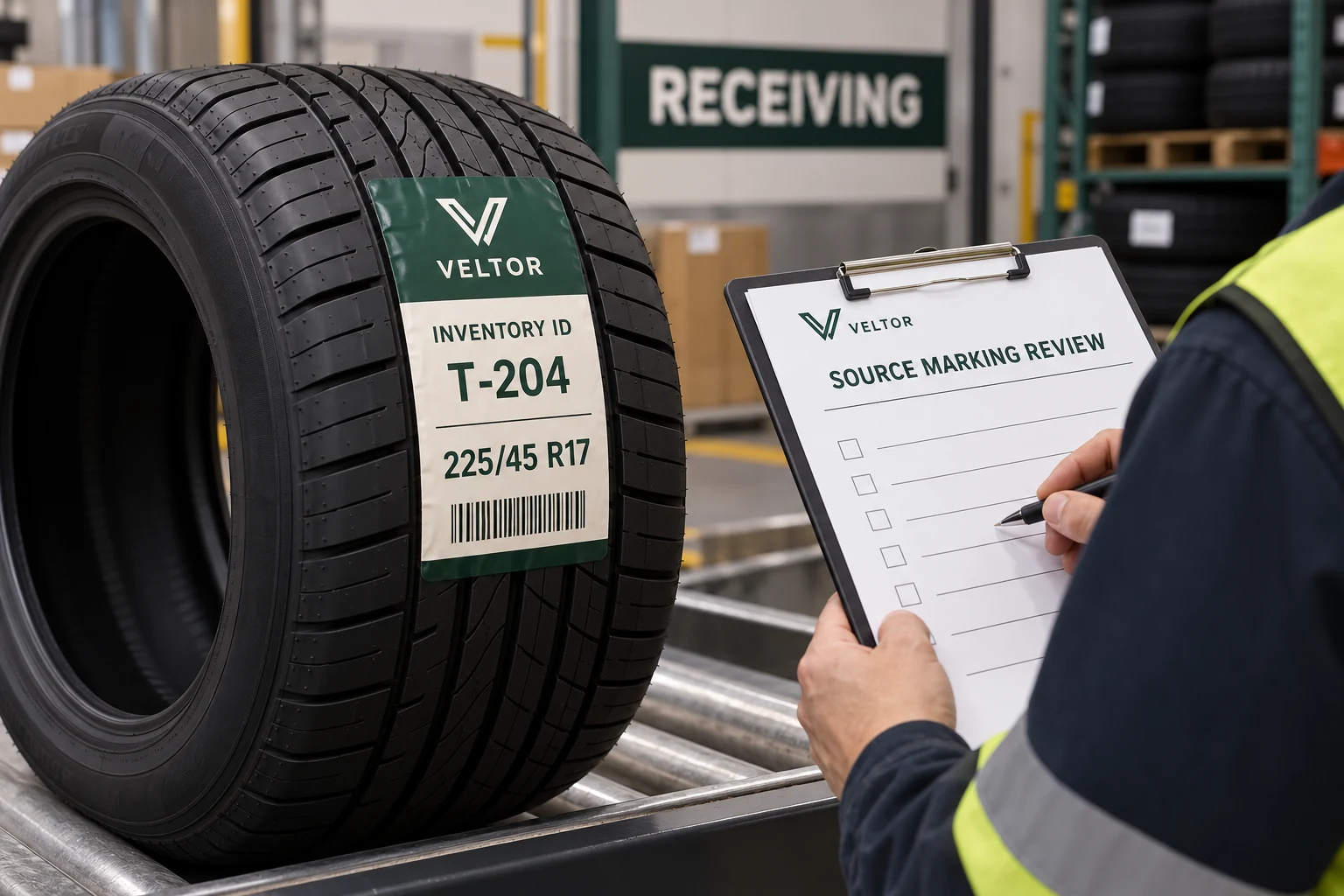
Keep supplemental tire inventory IDs distinct from TIN source markings. Record readable evidence, transcription checks and an exception route for unclear data.
Read buyer guide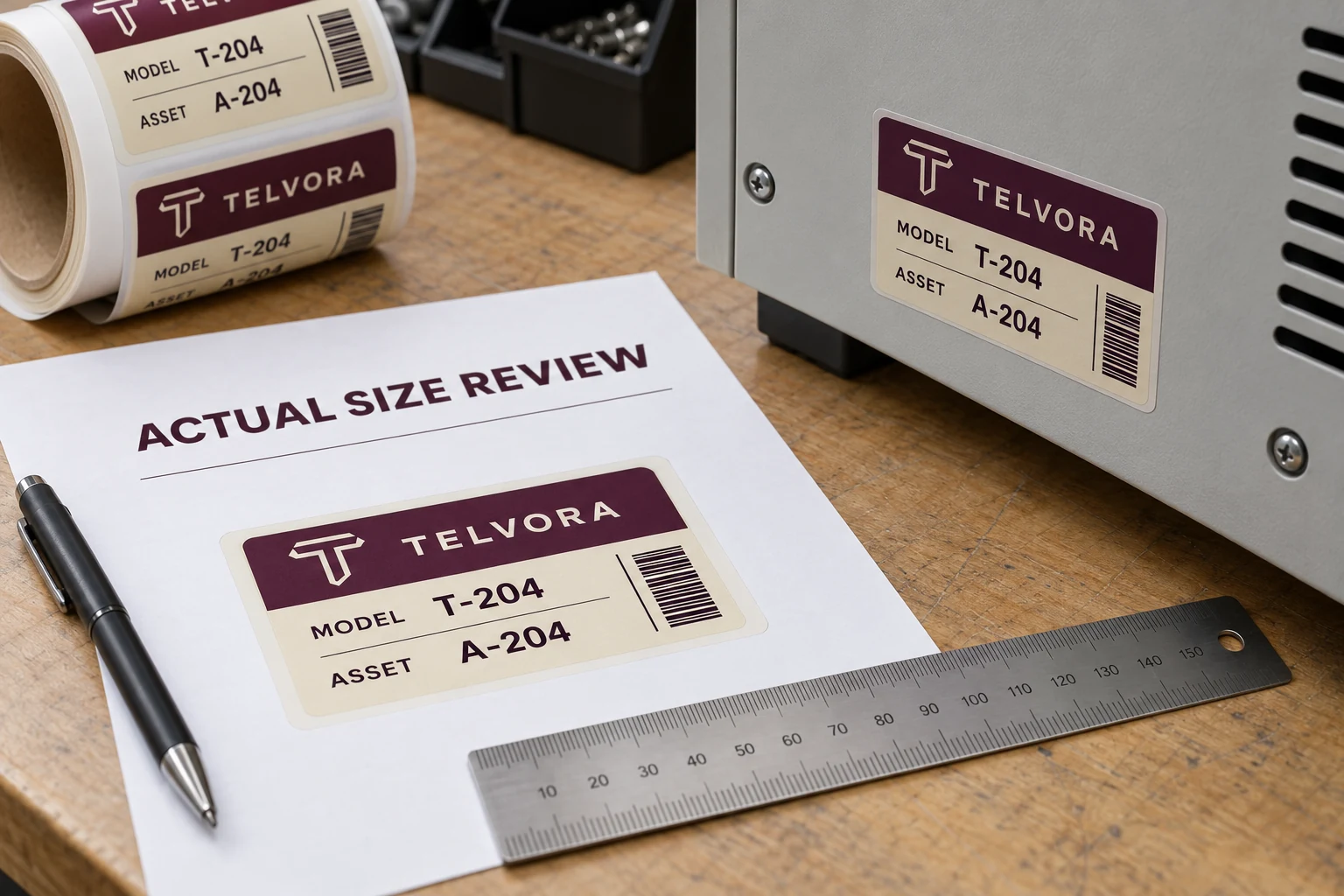
Verify office print scale before changing label dimensions. Use a physical scale witness and separate paper fit review from finished-label qualification.
Read buyer guide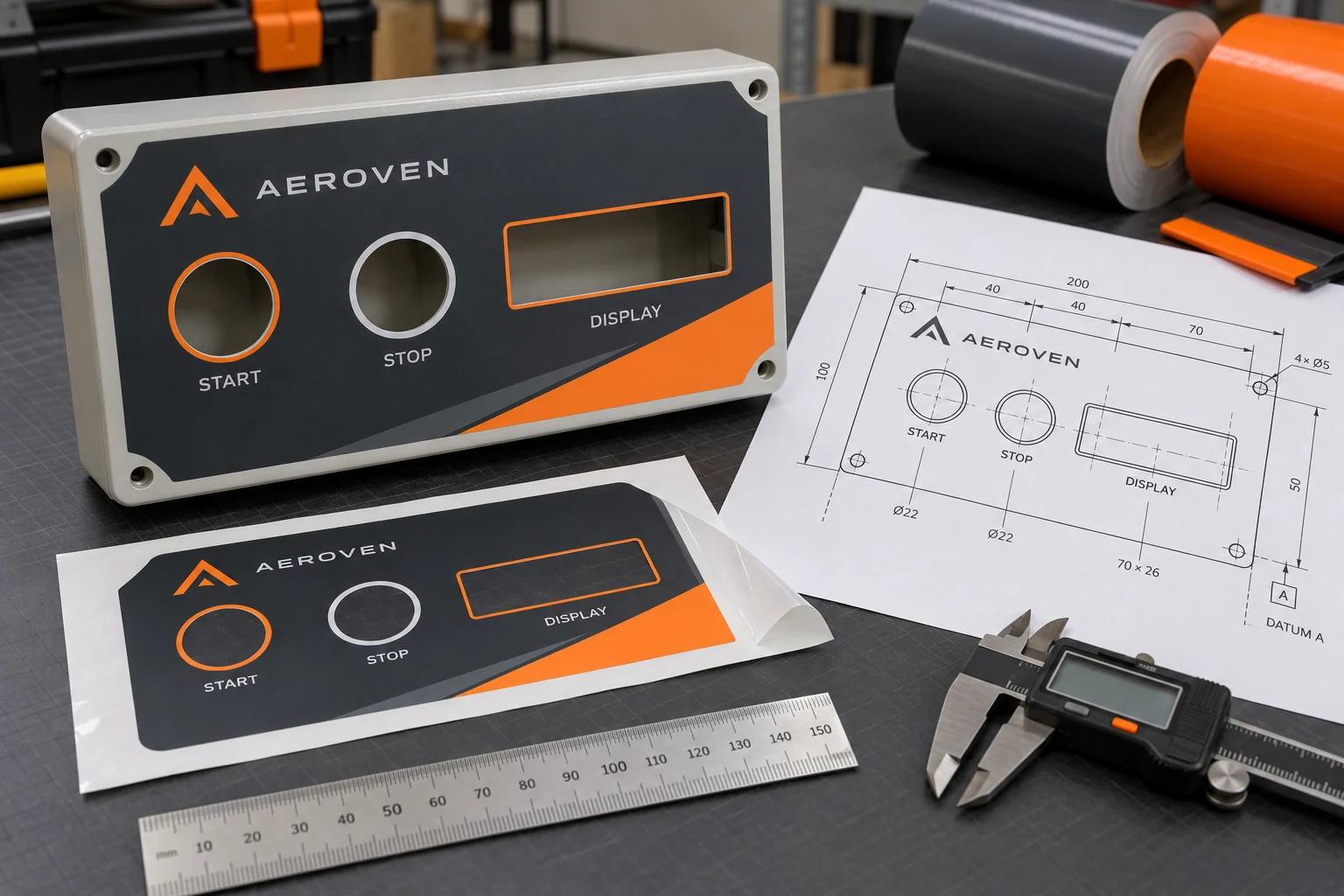
Approve panel-overlay holes and windows from one drawing reference. Connect datum, viewing side, feature positions and print relationships before cutting.
Read buyer guide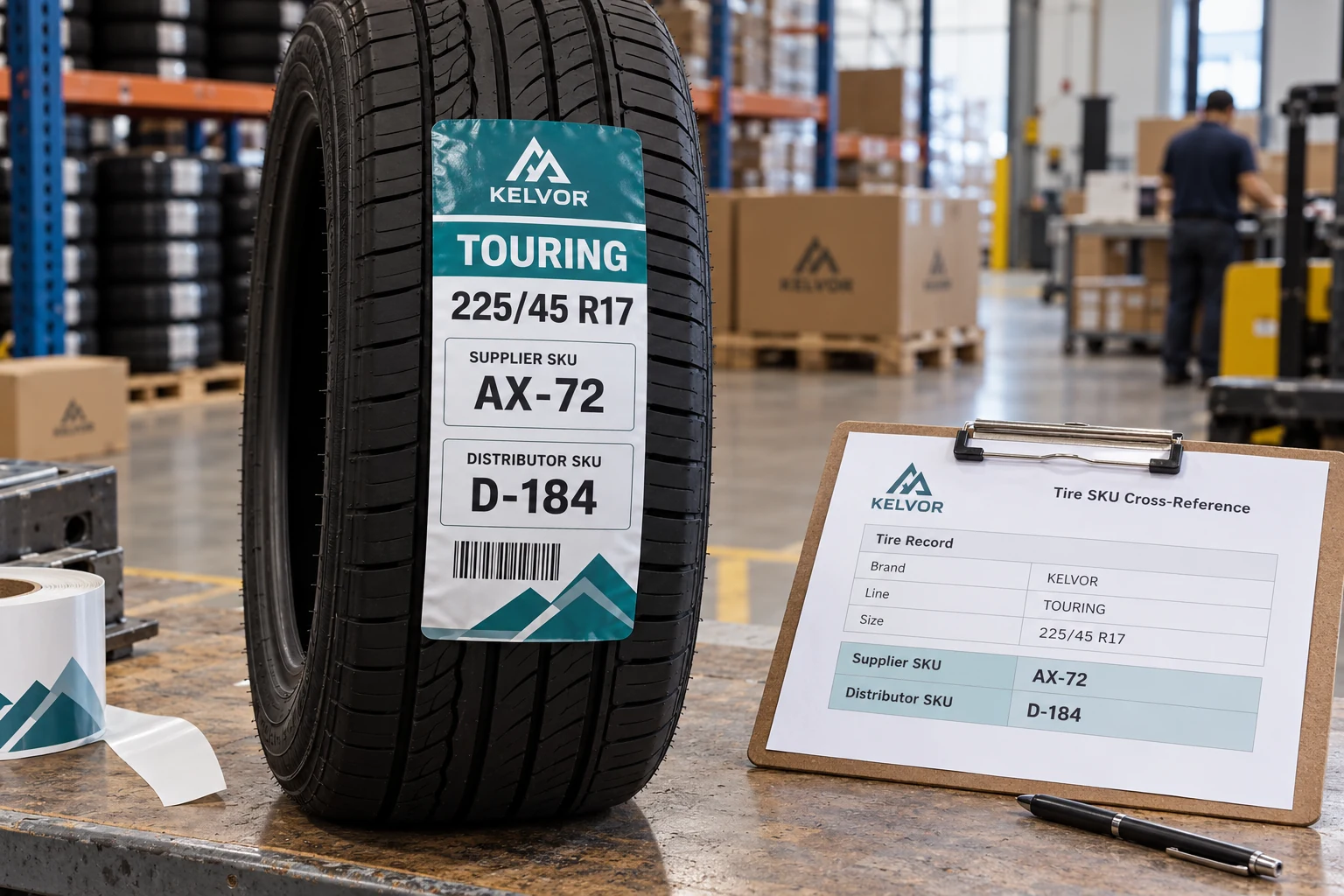
Map supplier and distributor tire SKUs without merging their meanings. Use an issuer-owned alias table, exception rows and a receiving lookup check.
Read buyer guide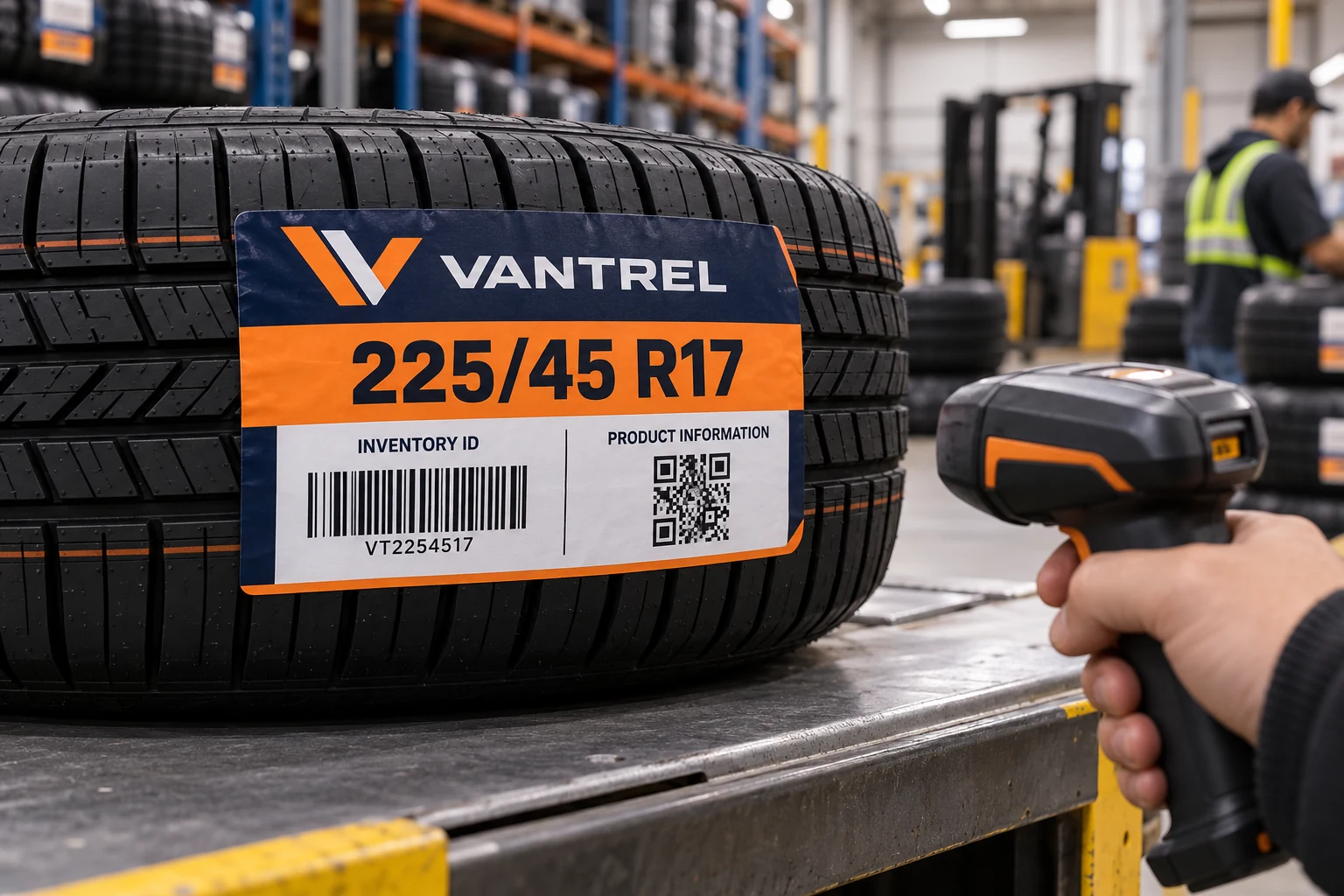
Review two-code tire labels by capture task. Compare intended payloads, wrong-code rejection and actual receiving behavior before changing the layout.
Read buyer guide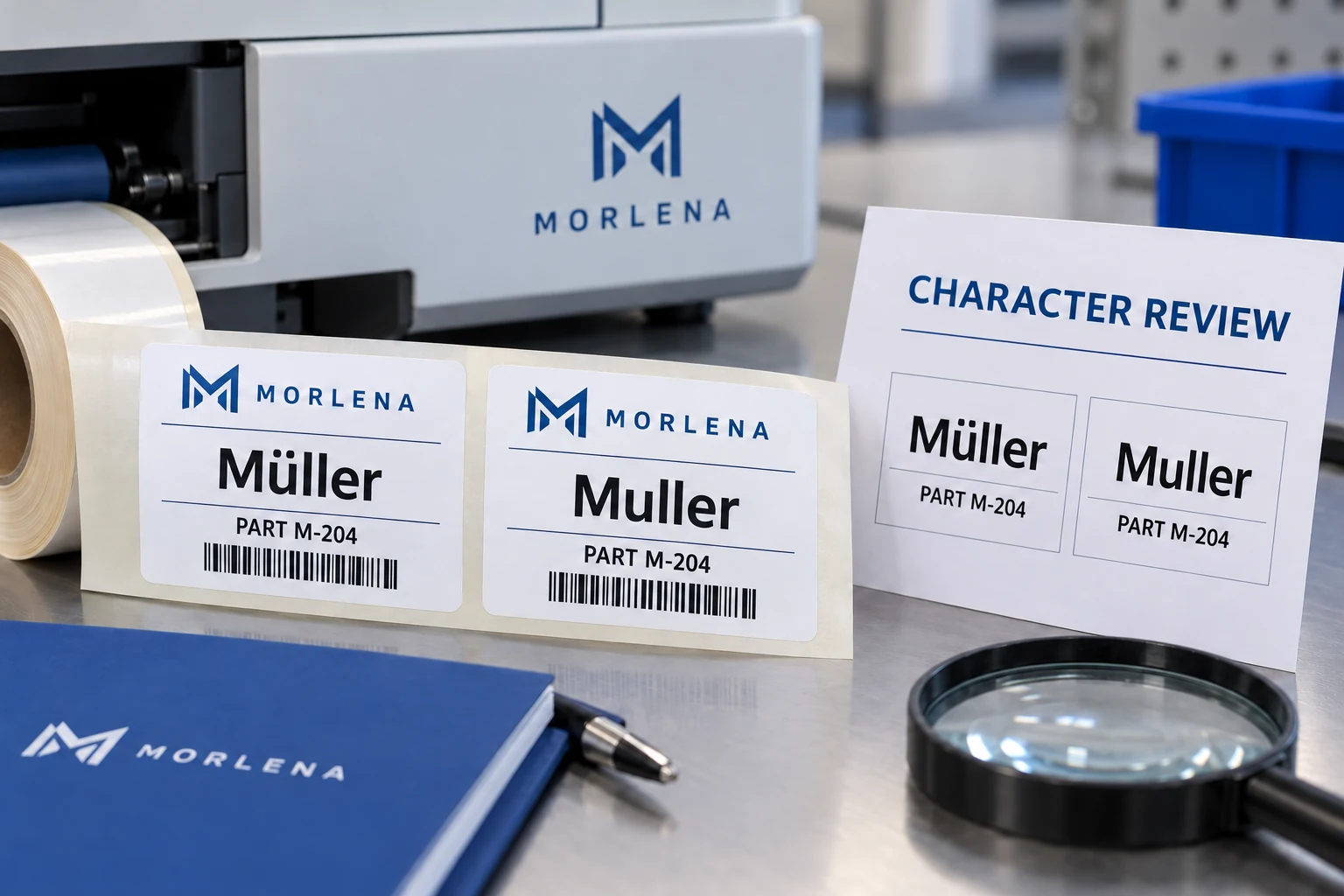
Trace accented label text from source to import, rendering and print. Separate corrupted characters from missing font support before approving variable data.
Read buyer guide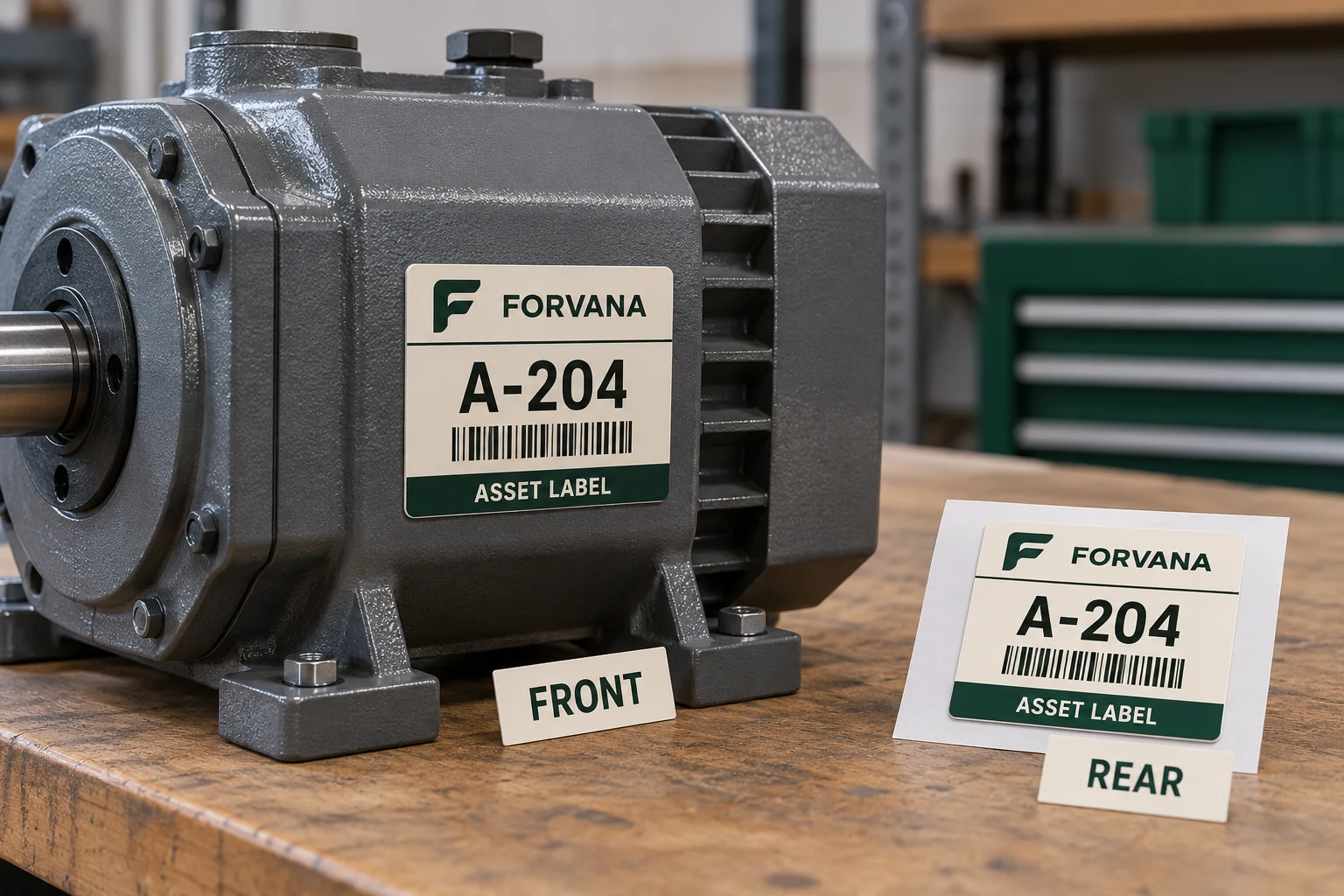
Specify matched asset-label copies without creating duplicate assets. Reconcile set members, placement, physical quantities and replacement authorization.
Read buyer guide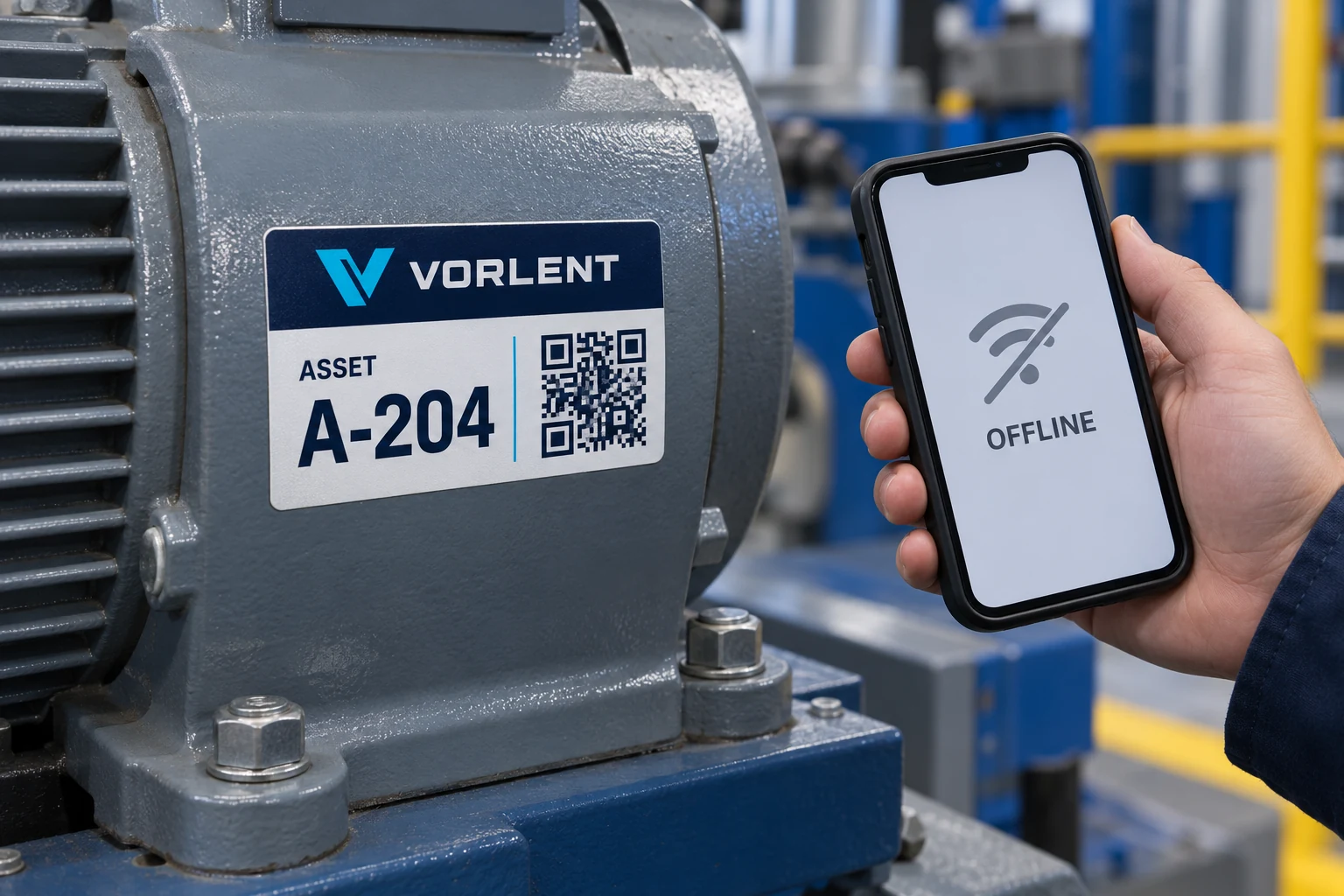
Plan equipment identification when a QR destination is unavailable. Review readable IDs, authorized fallback tasks and cached-record limits before rollout.
Read buyer guide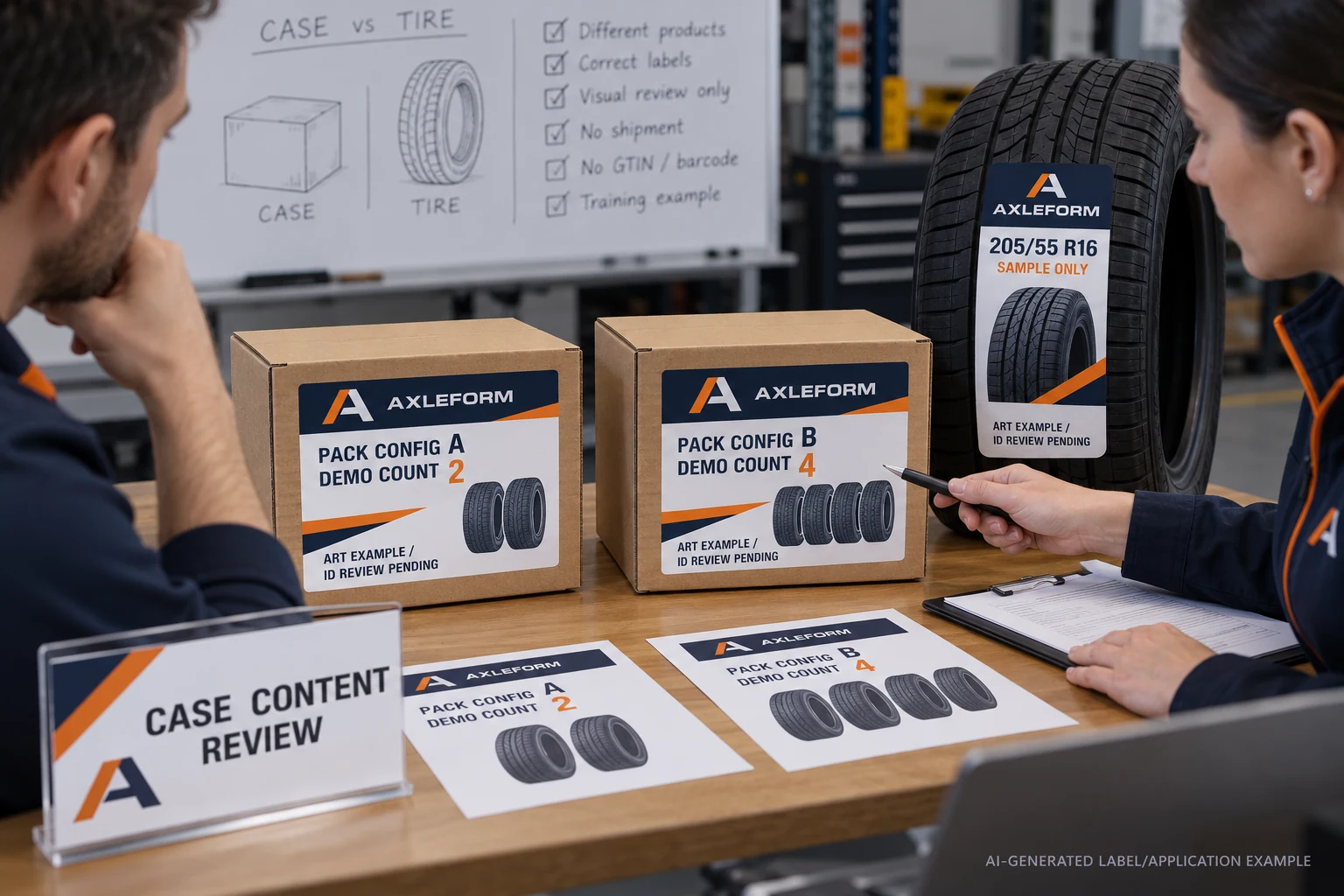
A changed predefined case quantity needs a packaging-identity review. Separate the tire product, case configuration and shipment unit before approving replacement label data.
Read buyer guide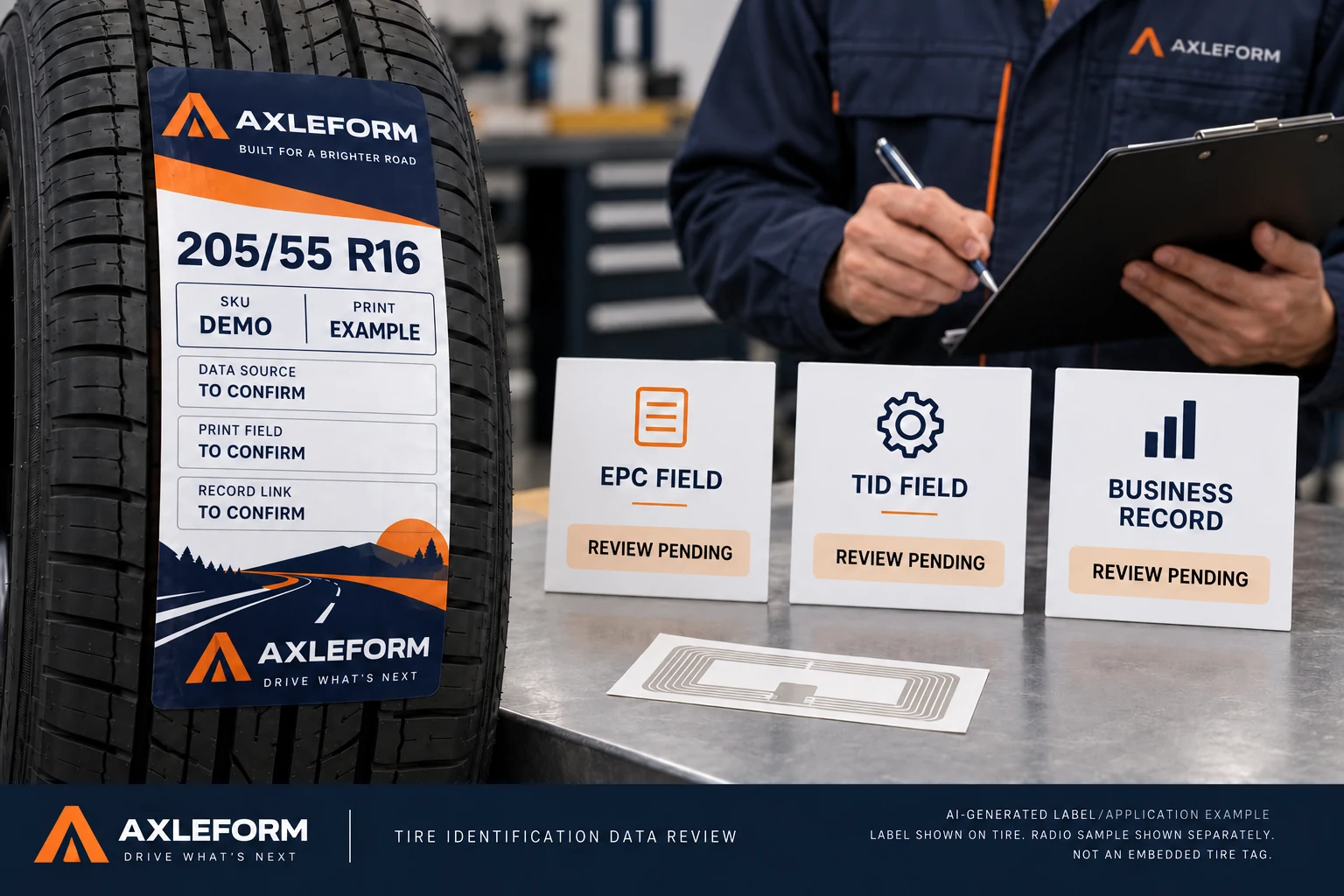
Match tire label data to a named RFID field and representation. Distinguish EPC, tag information and the business record before asking a printer to copy a reader value.
Read buyer guide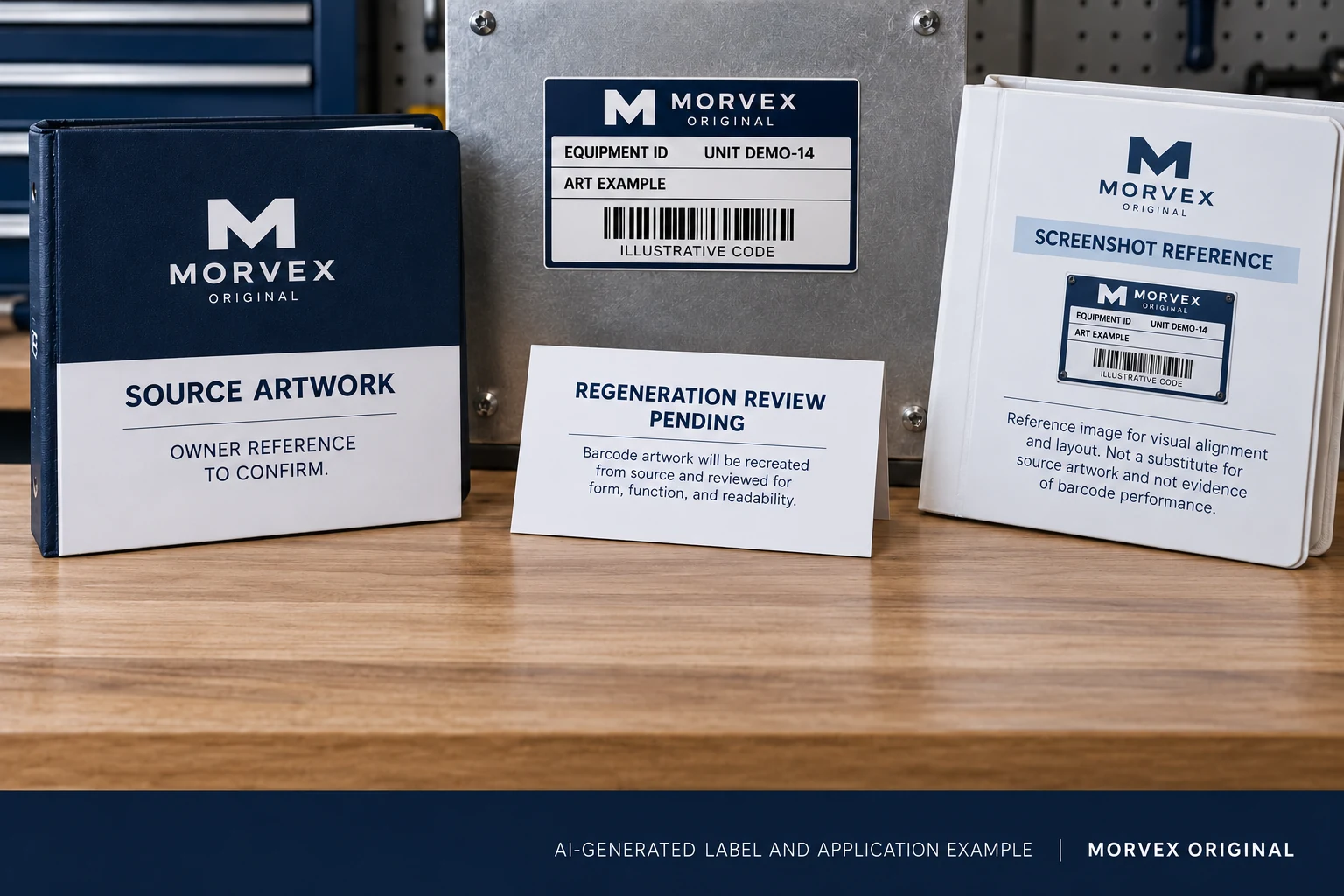
A screenshot that looks sharp is not a production barcode source. Preserve approved data and final dimensions, then review regenerated artwork and finished printed output.
Read buyer guide
Before approving a recyclable claim, identify its exact component and collection route. A material name or recyclable liner does not establish a claim for the finished label.
Read buyer guide
Compare tire-label quotations using the same delivery boundary, included costs and evidence. Keep unknown freight and import items visible instead of ranking unit prices alone.
Read buyer guide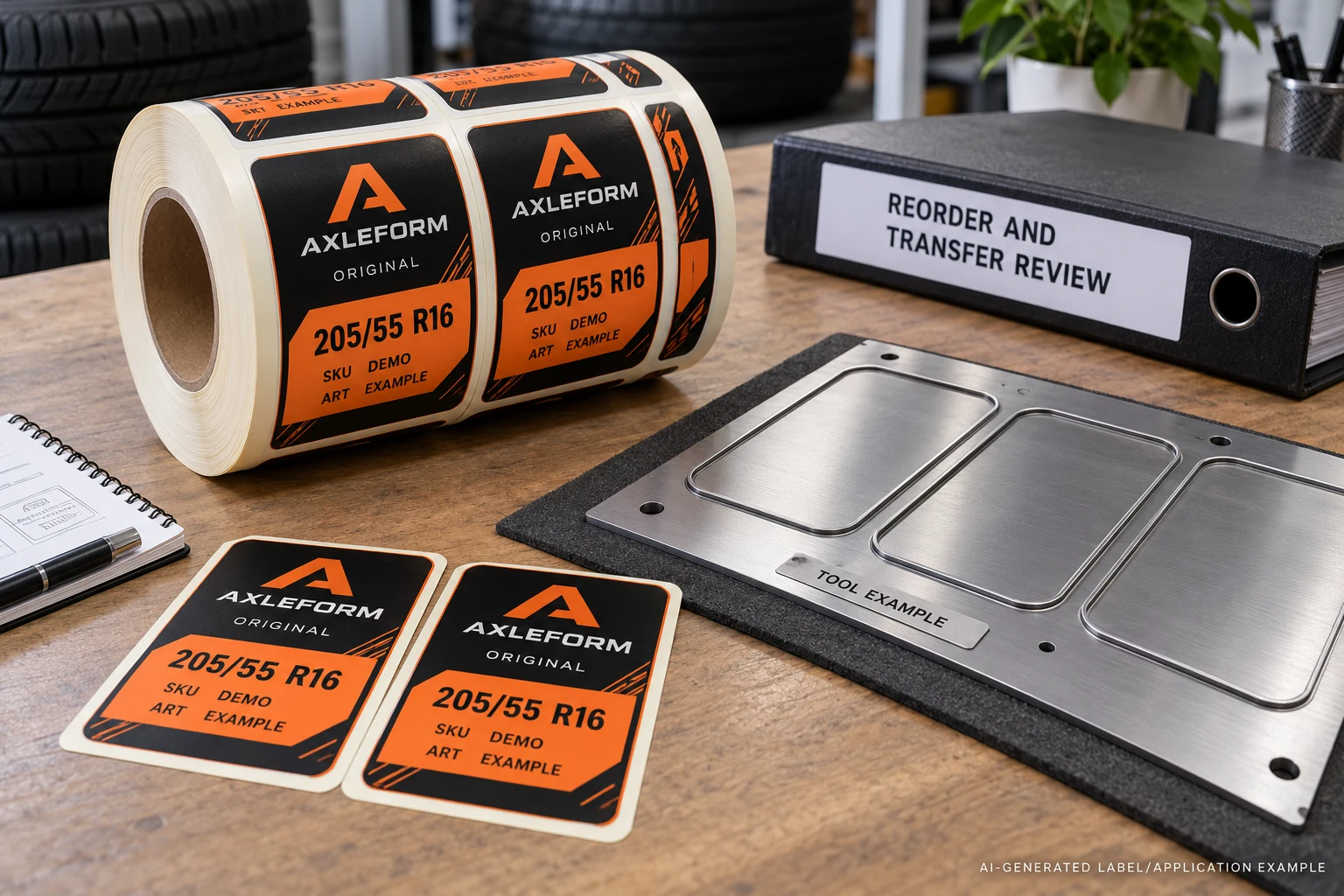
A setup charge does not explain what reusable cutting asset exists. Ask what is created, how repeat orders use it and what can transfer before approving the quote.
Read buyer guide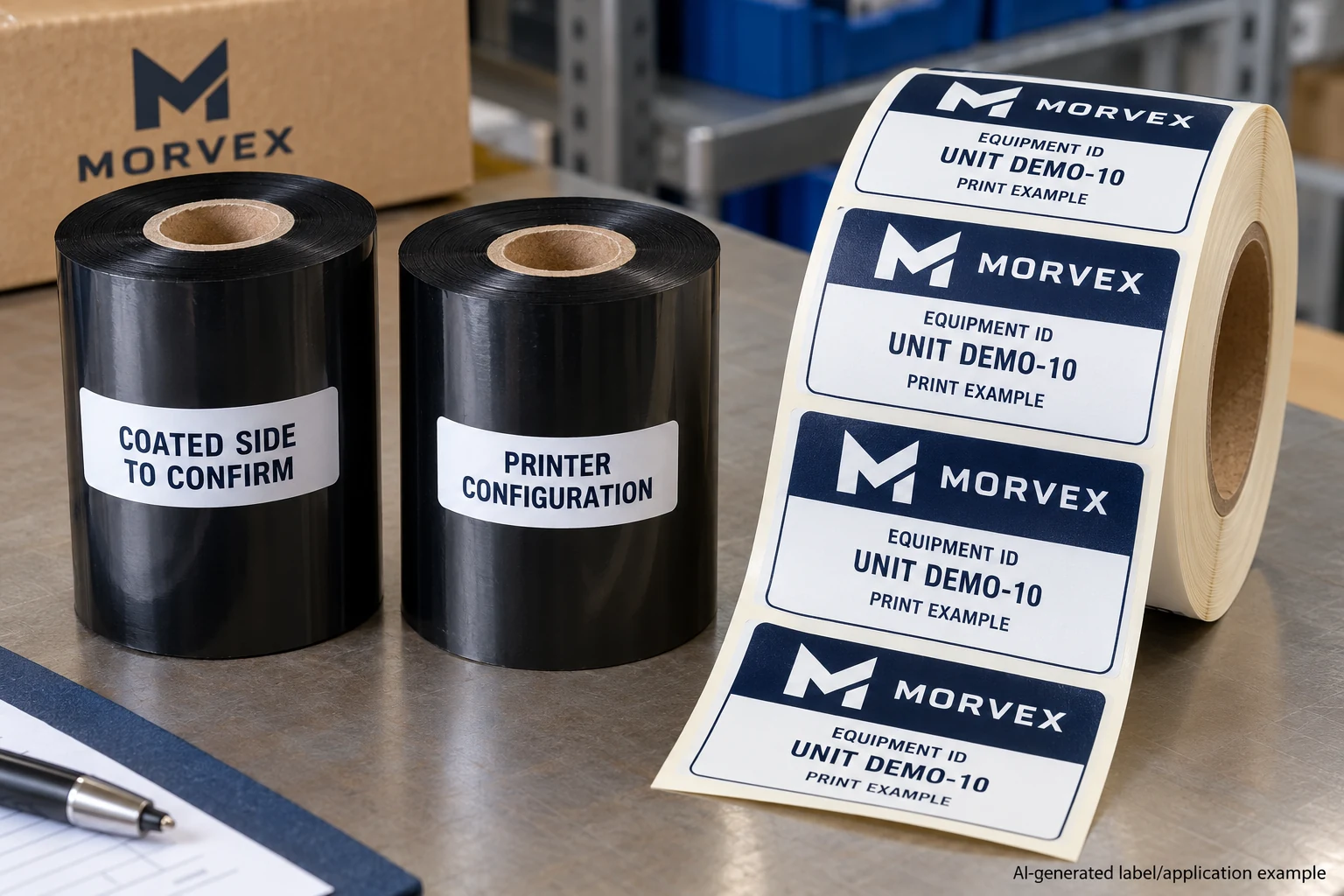
Matching ribbon width and chemistry is not enough. Record coated-side orientation and the actual printer configuration separately from label-roll winding.
Read buyer guide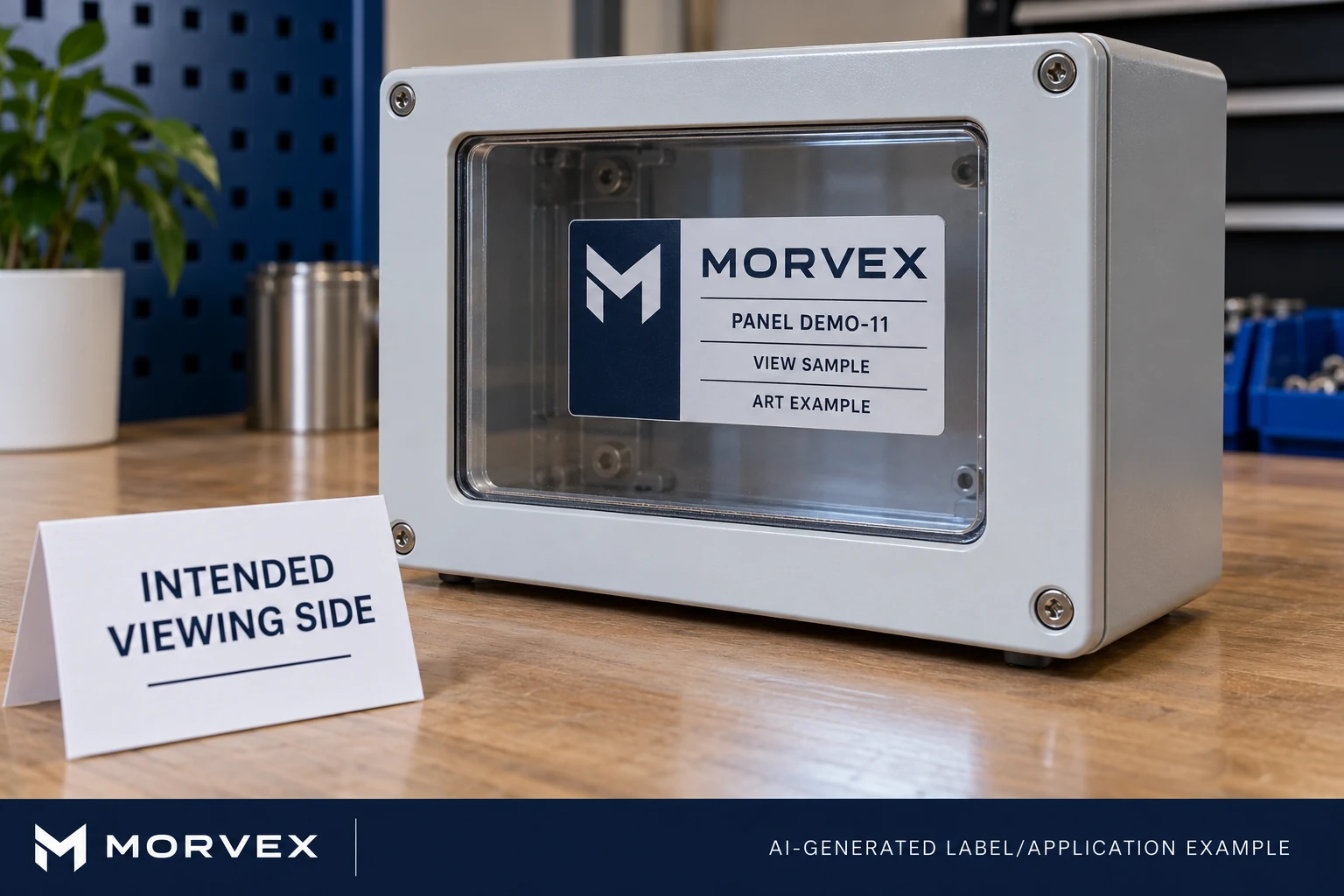
An inside-mounted label must read correctly from its intended viewing side. Mark the panel, adhesive face and installed proof before ordering a transparent construction.
Read buyer guide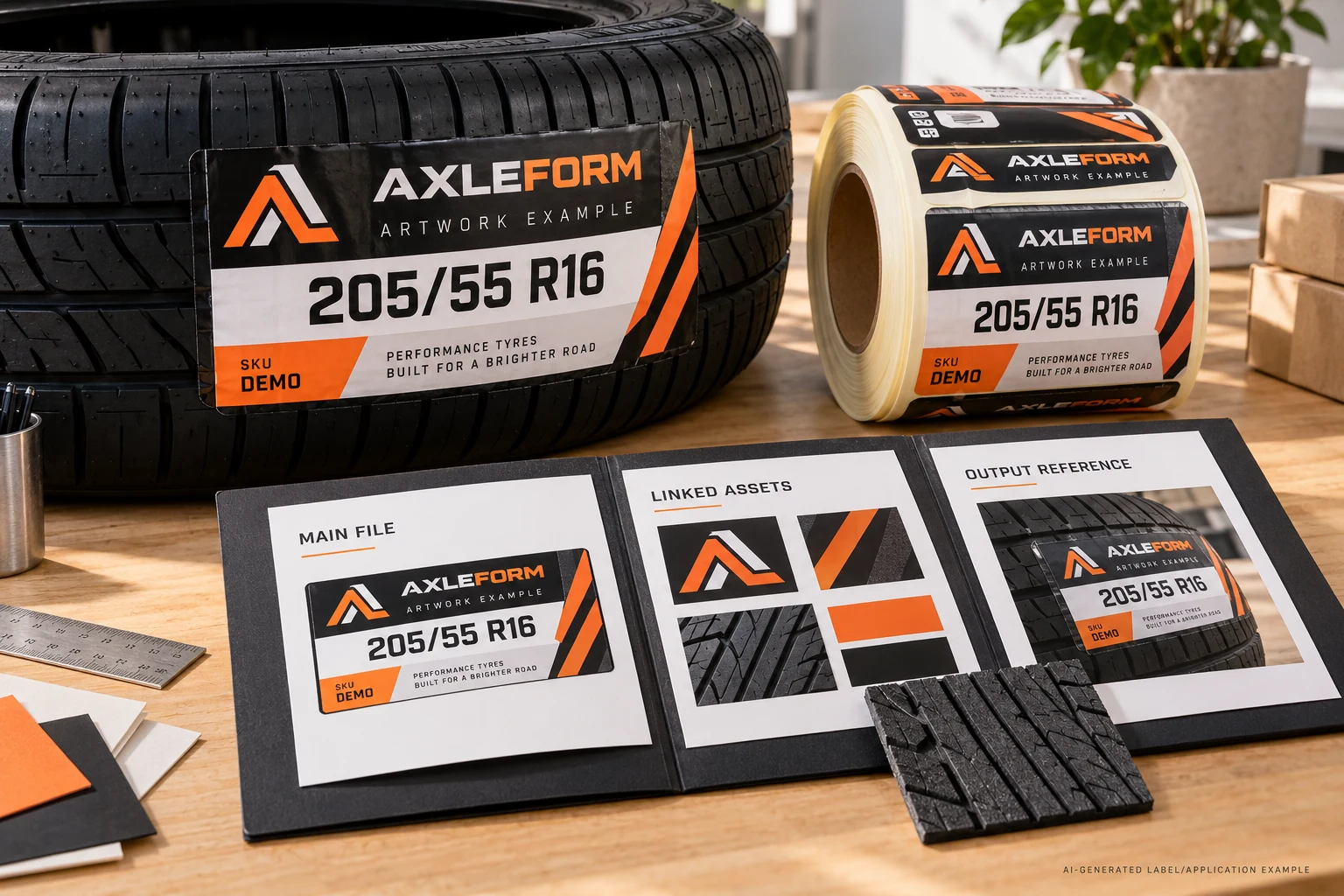
An artwork file can open correctly for its author while missing linked assets elsewhere. Build a portable tire-label handoff and review the received bundle before print.
Read buyer guide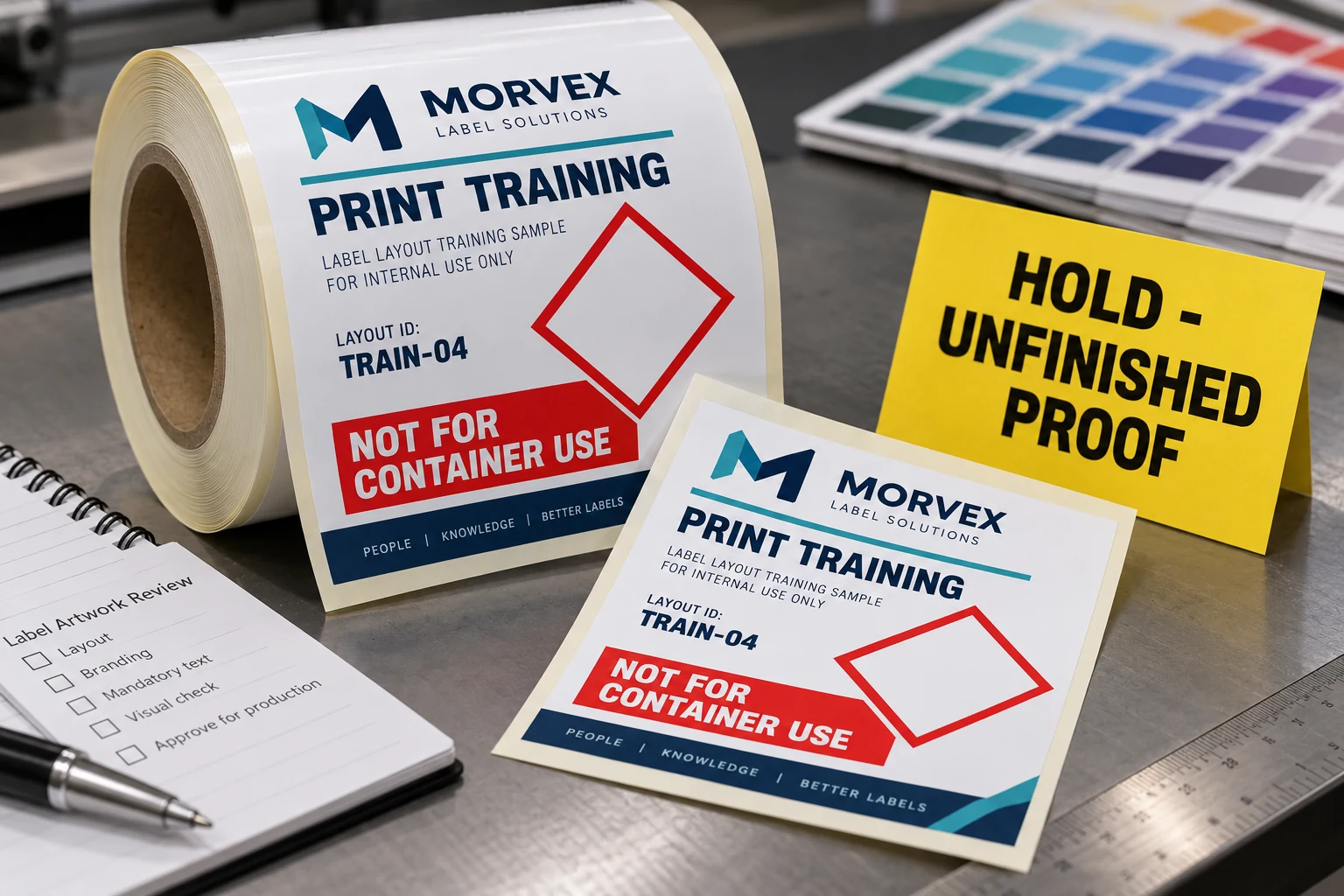
Unused red frames cannot remain on a finished US OSHA hazard label. Plan the completed artwork, reviewer and stock disposition before ordering common preprinted templates.
Read buyer guide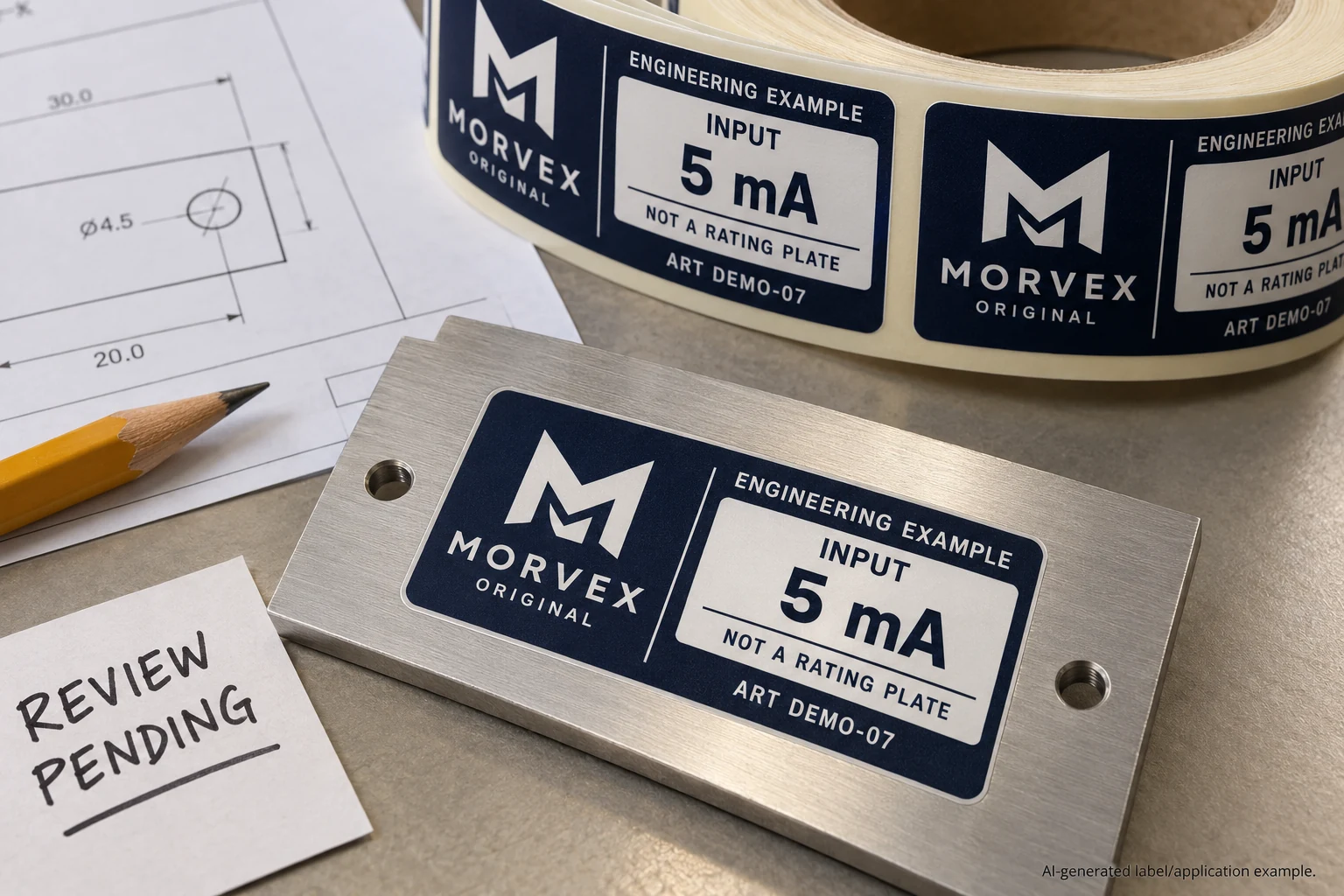
A dropped prefix can change the meaning of equipment data. Link each approved value to its unit, exact display string and artwork field before releasing labels.
Read buyer guide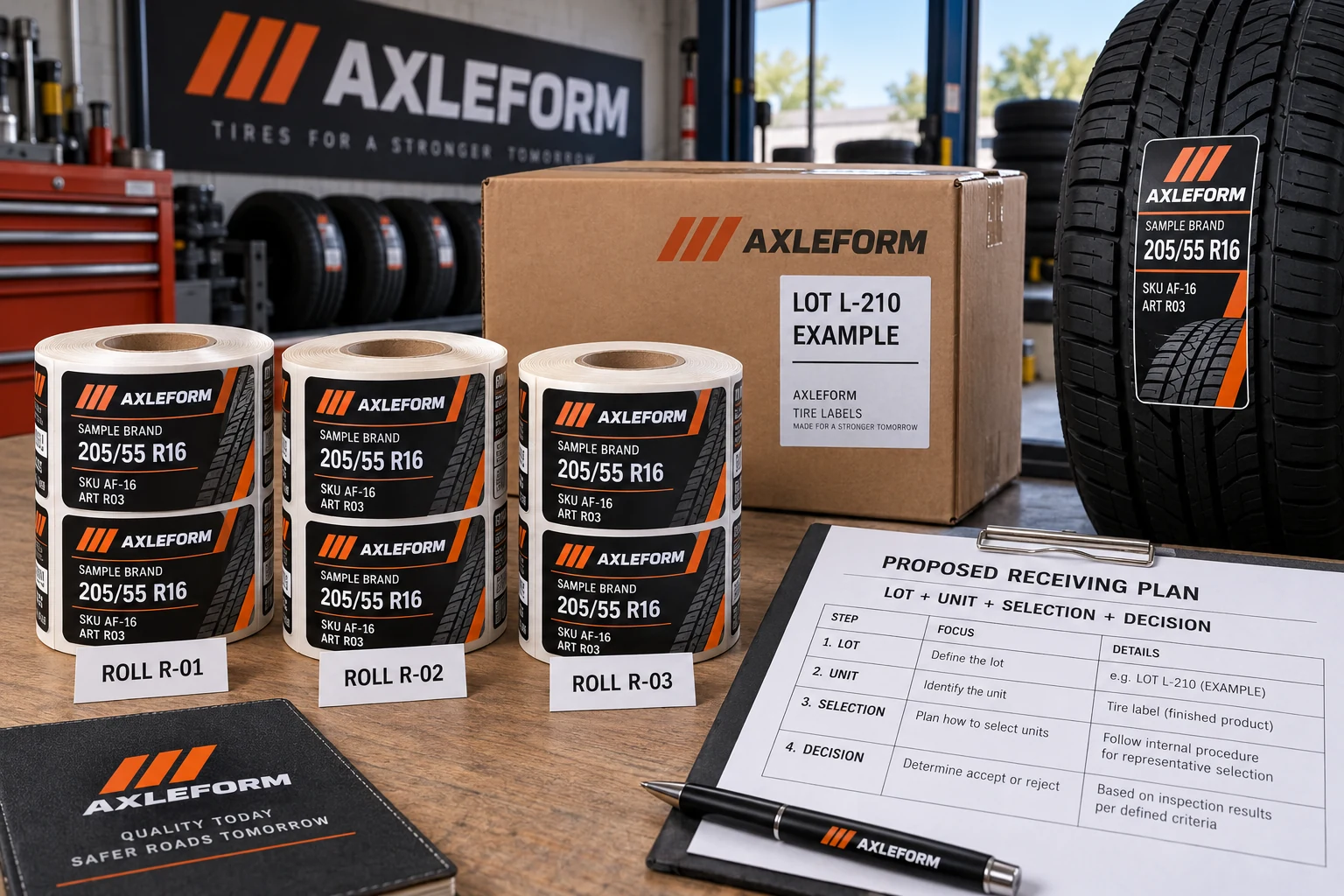
Separate an approved tire-label sample from a delivery-lot decision. Define the lot, inspection unit, selection method and disposition before receiving stock.
Read buyer guide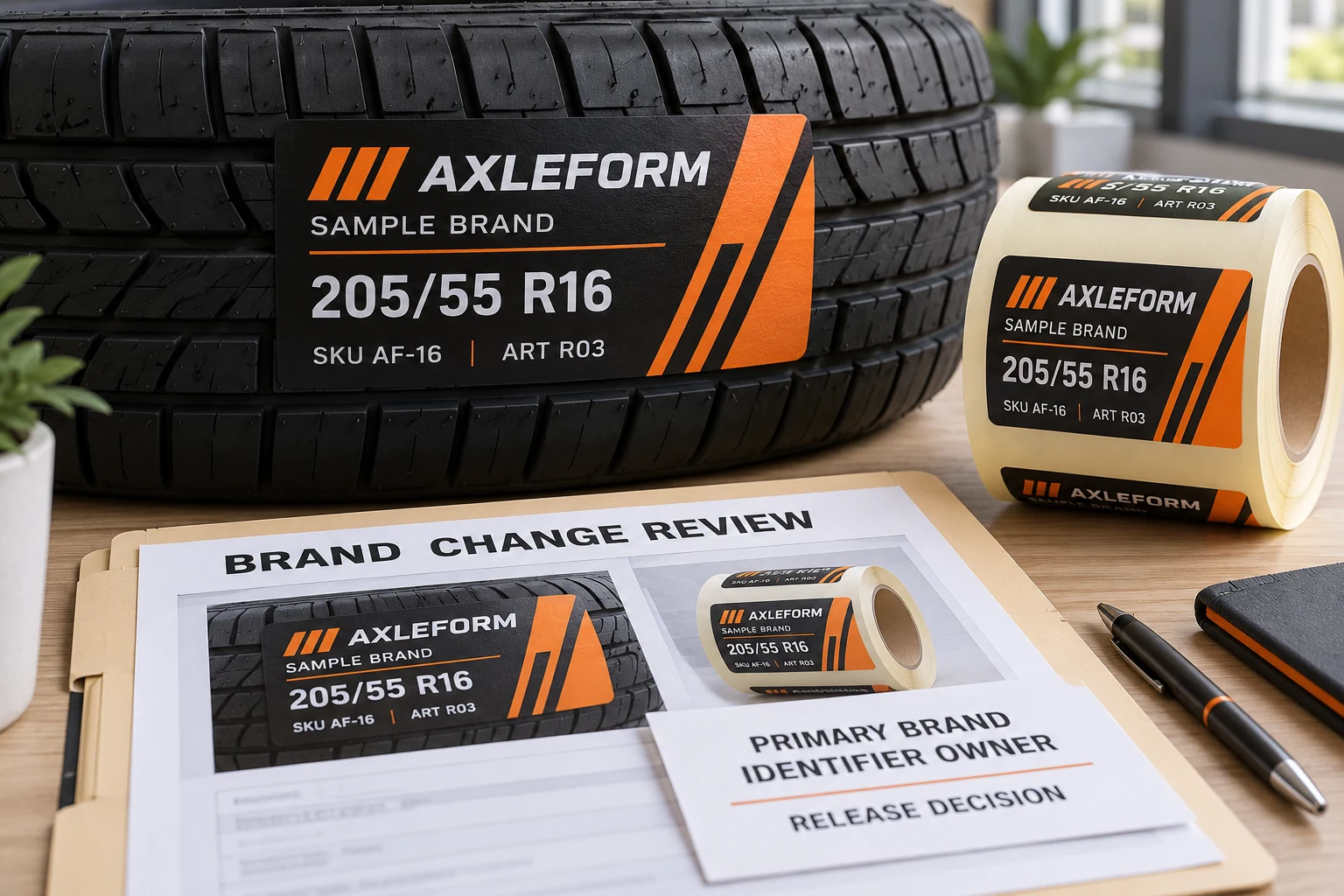
A new tire-label logo can require a product-identifier review. Separate primary-brand changes from artwork corrections and approve the brand-to-GTIN record before print.
Read buyer guide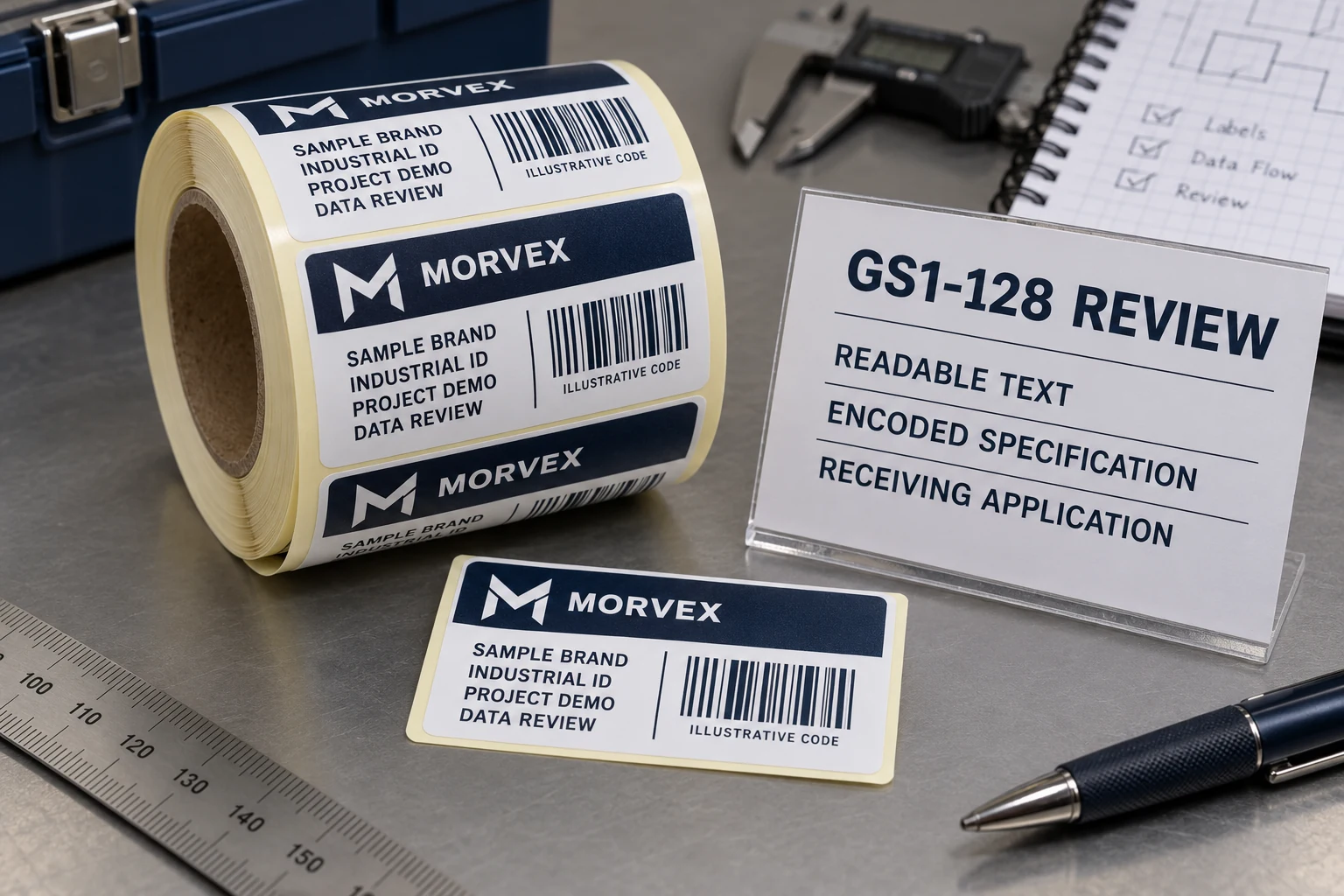
GS1-128 readable parentheses are not encoded data. Give the supplier an approved field specification and review a real symbol through the receiving workflow.
Read buyer guide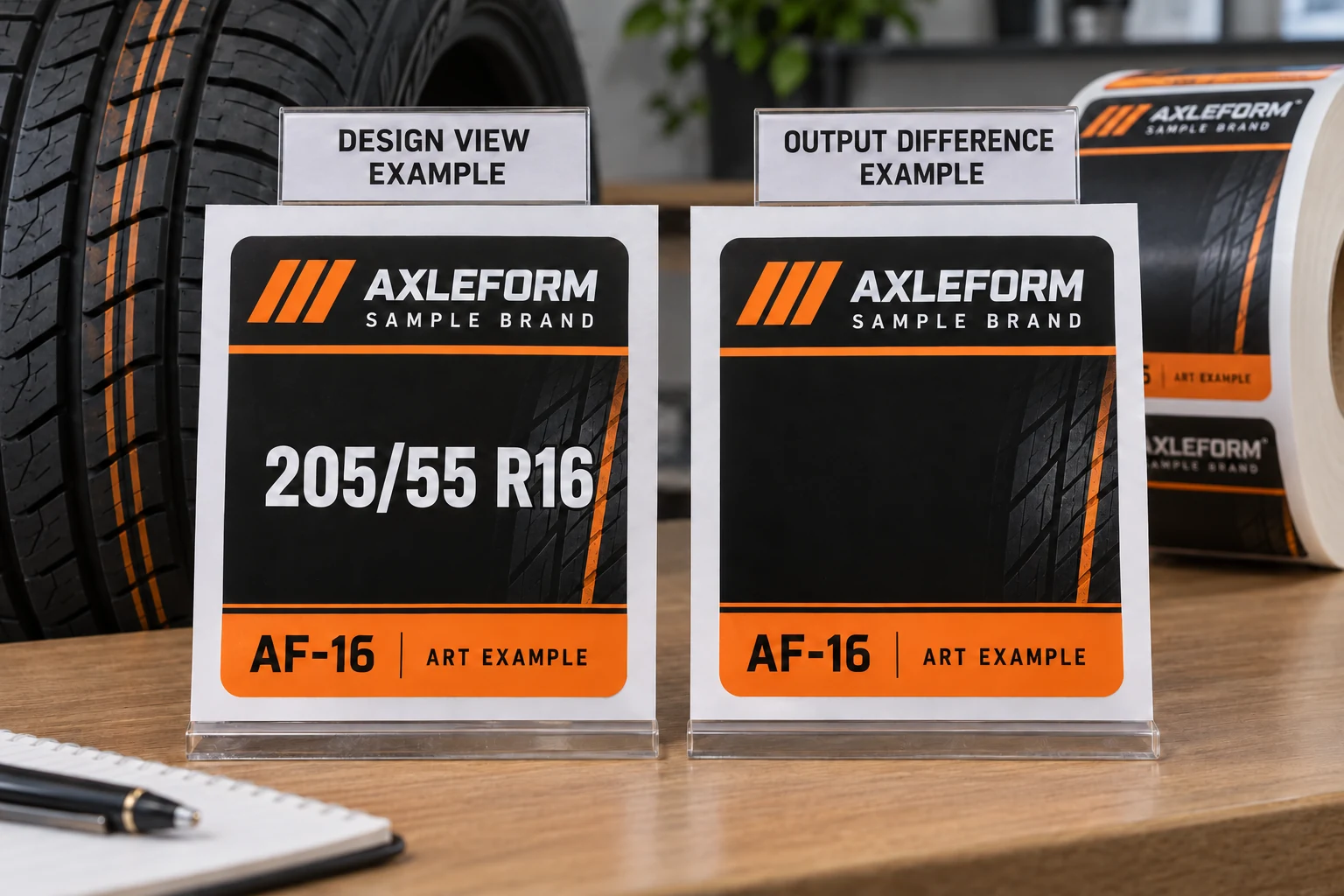
If white tire-label text changes between artwork and output previews, preserve the files and ask for a scoped overprint review before approving production.
Read buyer guide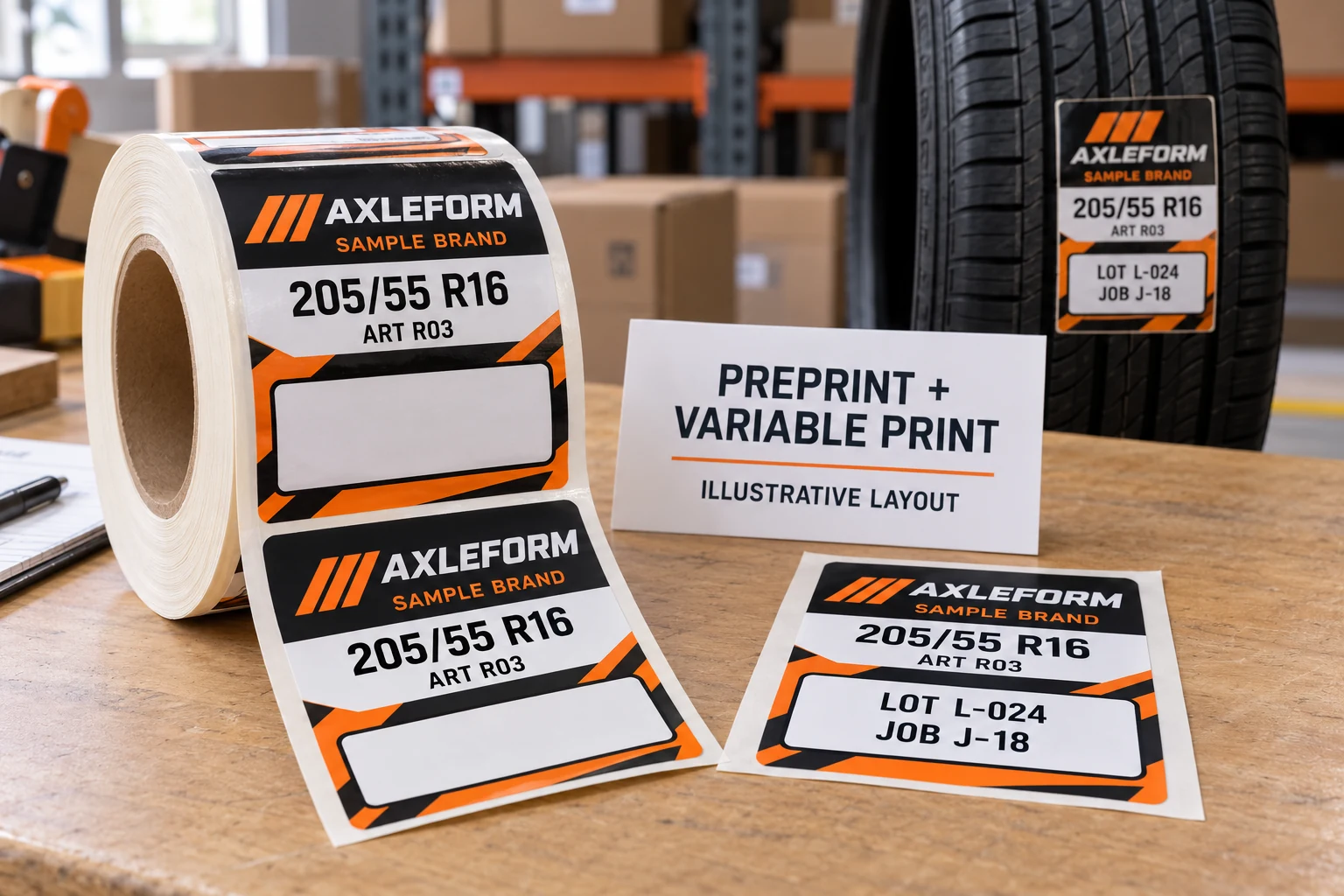
Buying preprinted tire labels for later overprinting? Approve the reserved area, actual job template and finished sample together before committing to a roll run.
Read buyer guide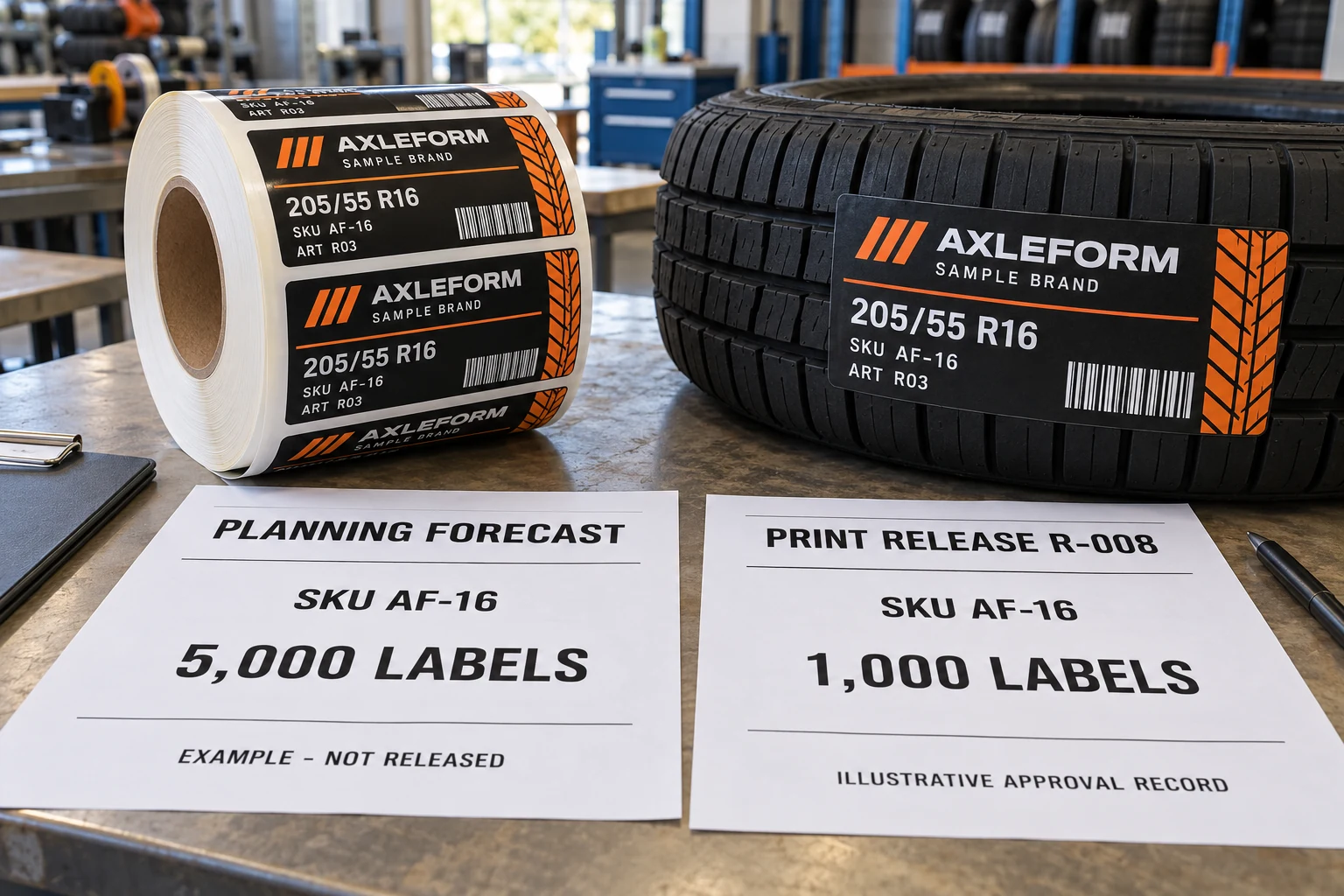
Separate tire-label planning quantities, print releases and deliveries. Use a release-balance example to clarify what is authorized before making stock.
Read buyer guide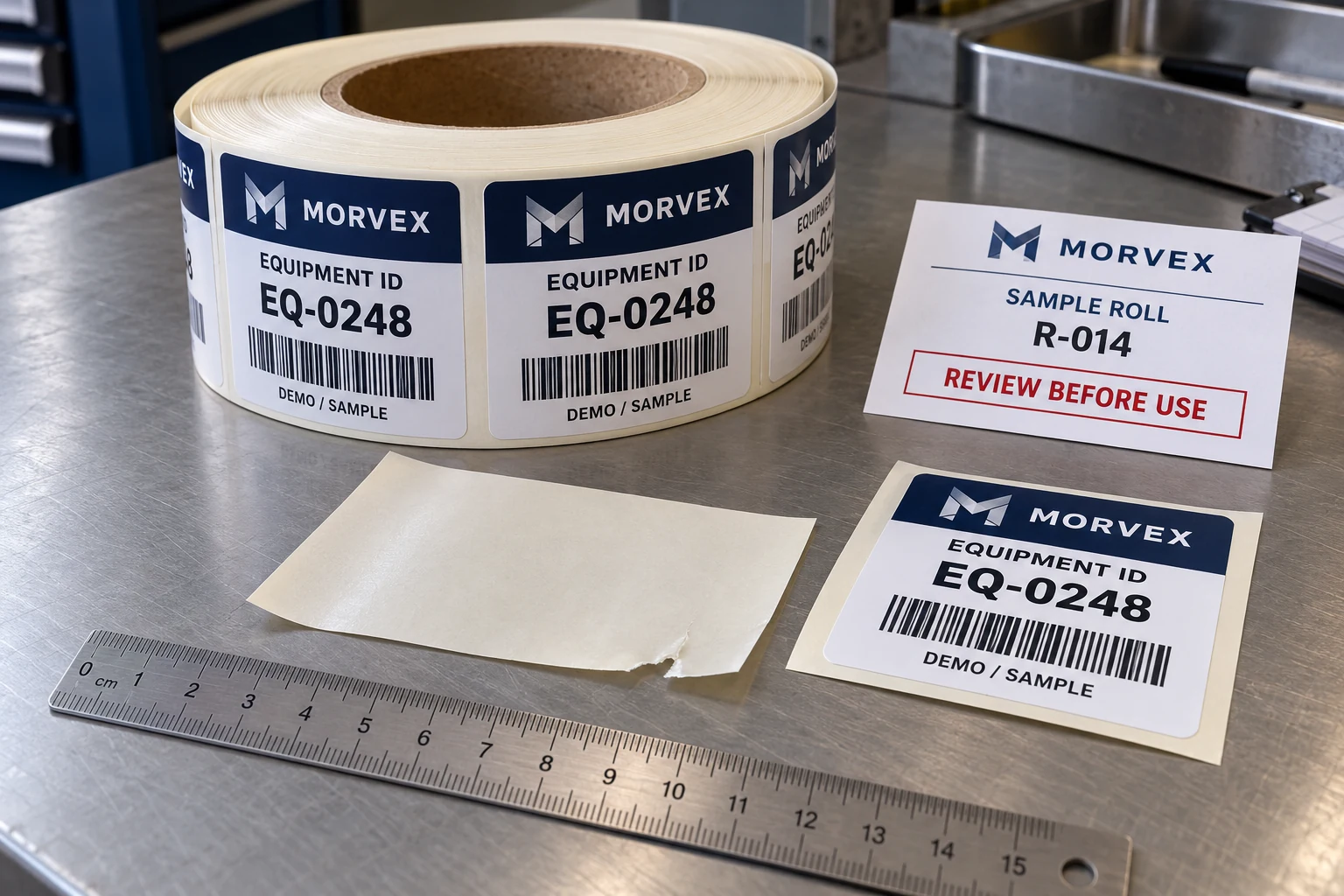
Record suspected die-cut label liner damage without guessing the cause. Connect photos to roll identity, intended use and a documented release decision.
Read buyer guide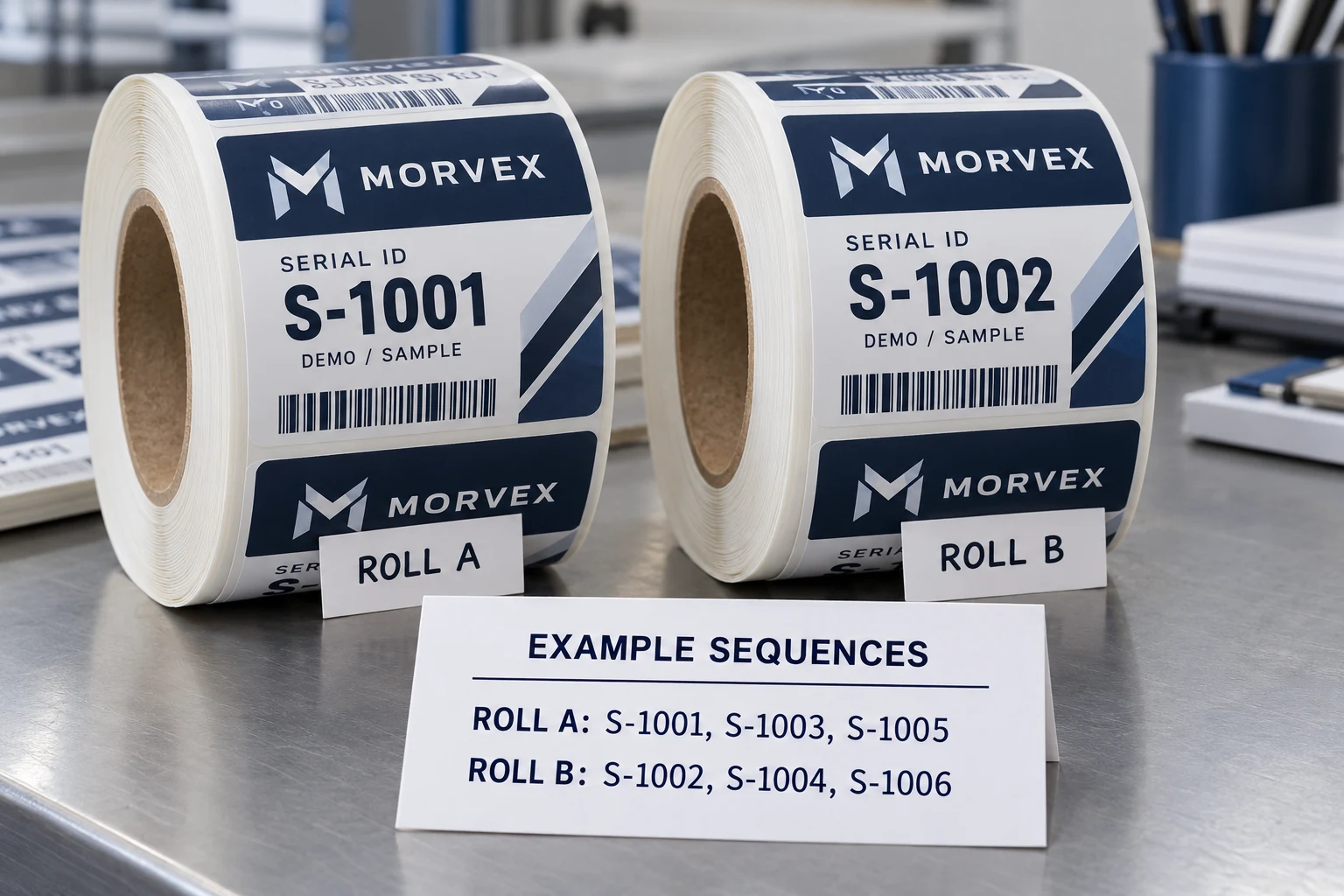
A sorted serial-ID file may produce interleaved finished rolls. Approve the data-to-lane map, first presented value and roll continuation before production.
Read buyer guide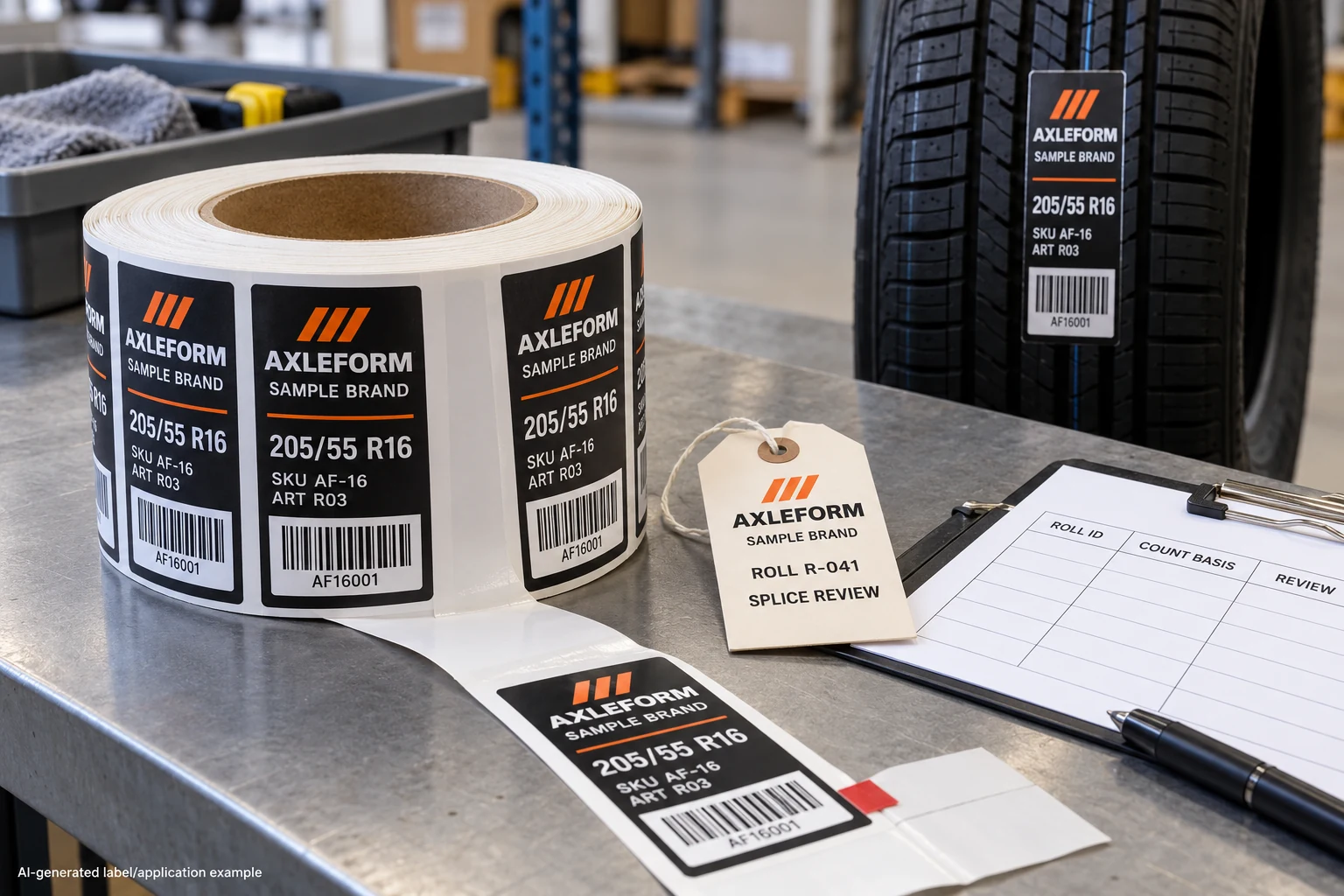
Ordering tire label rolls? Agree splice acceptance, excluded labels, usable quantity and SKU-specific replacement before delivery. See what to put in the RFQ.
Read buyer guide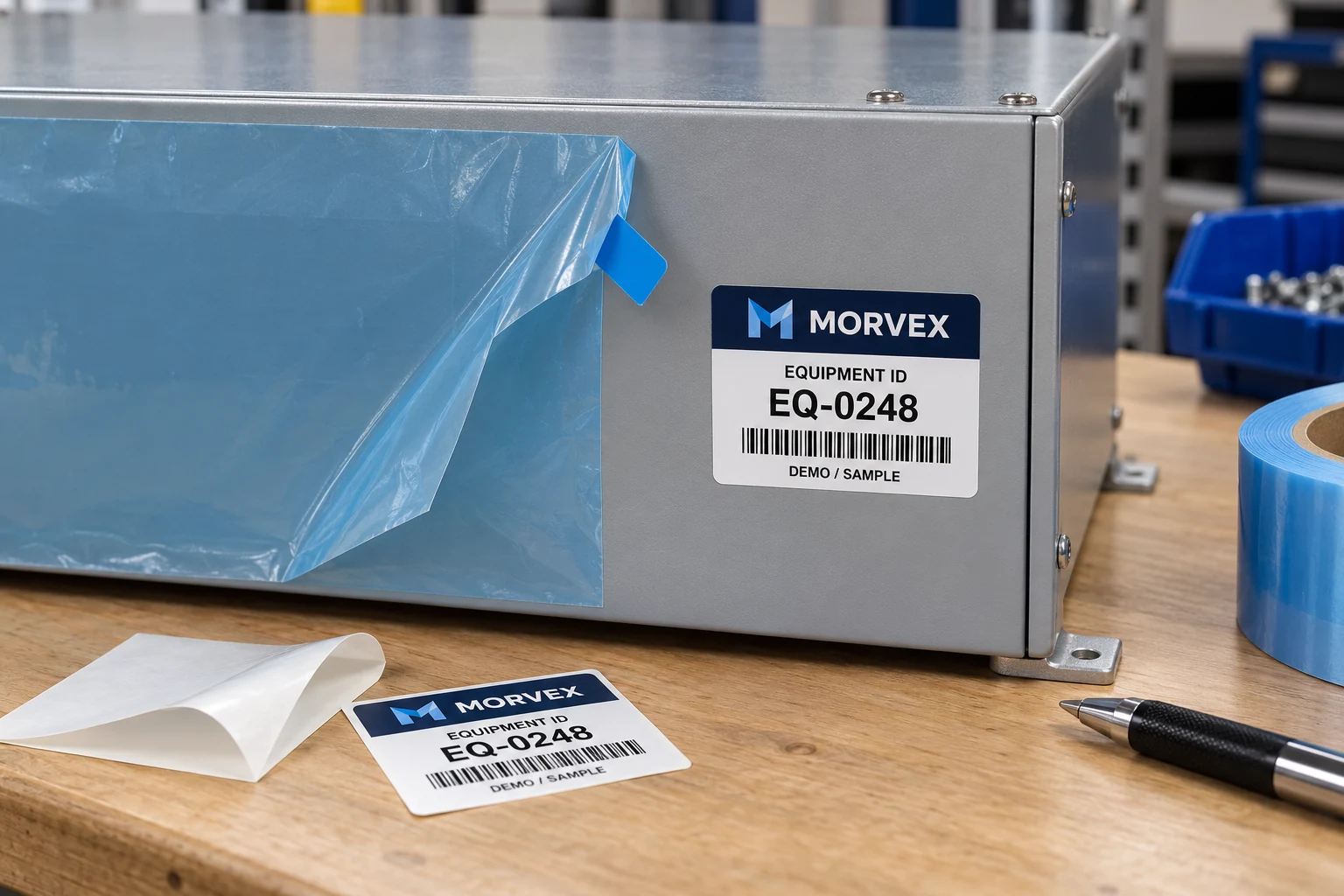
Before labeling protected equipment, confirm the final surface, film-removal responsibility and application stage. Build a clear equipment-label approval brief.
Read buyer guide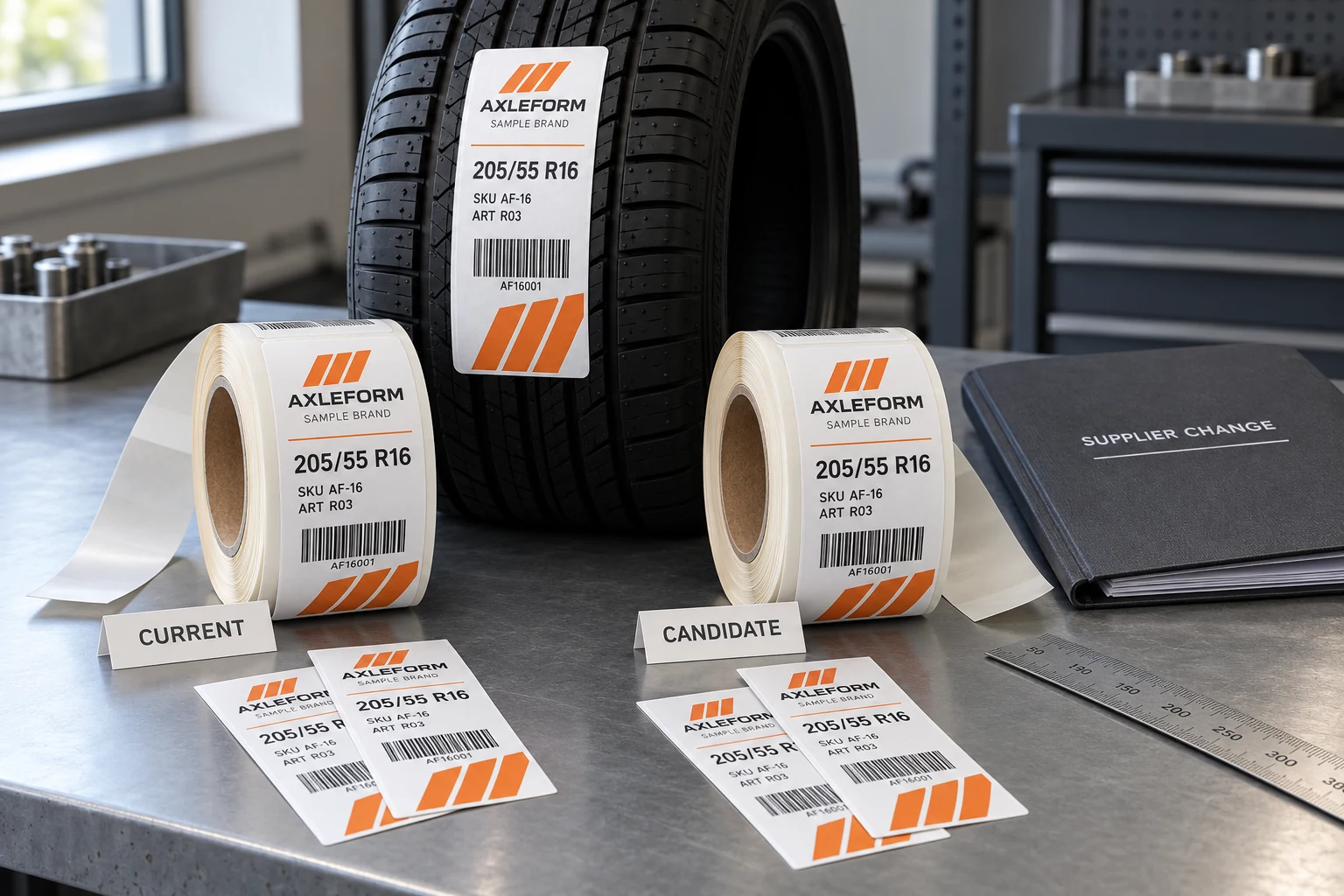
Changing tire label suppliers? Compare construction, barcode data, roll format and trial conditions before approving replacement supply.
Read buyer guide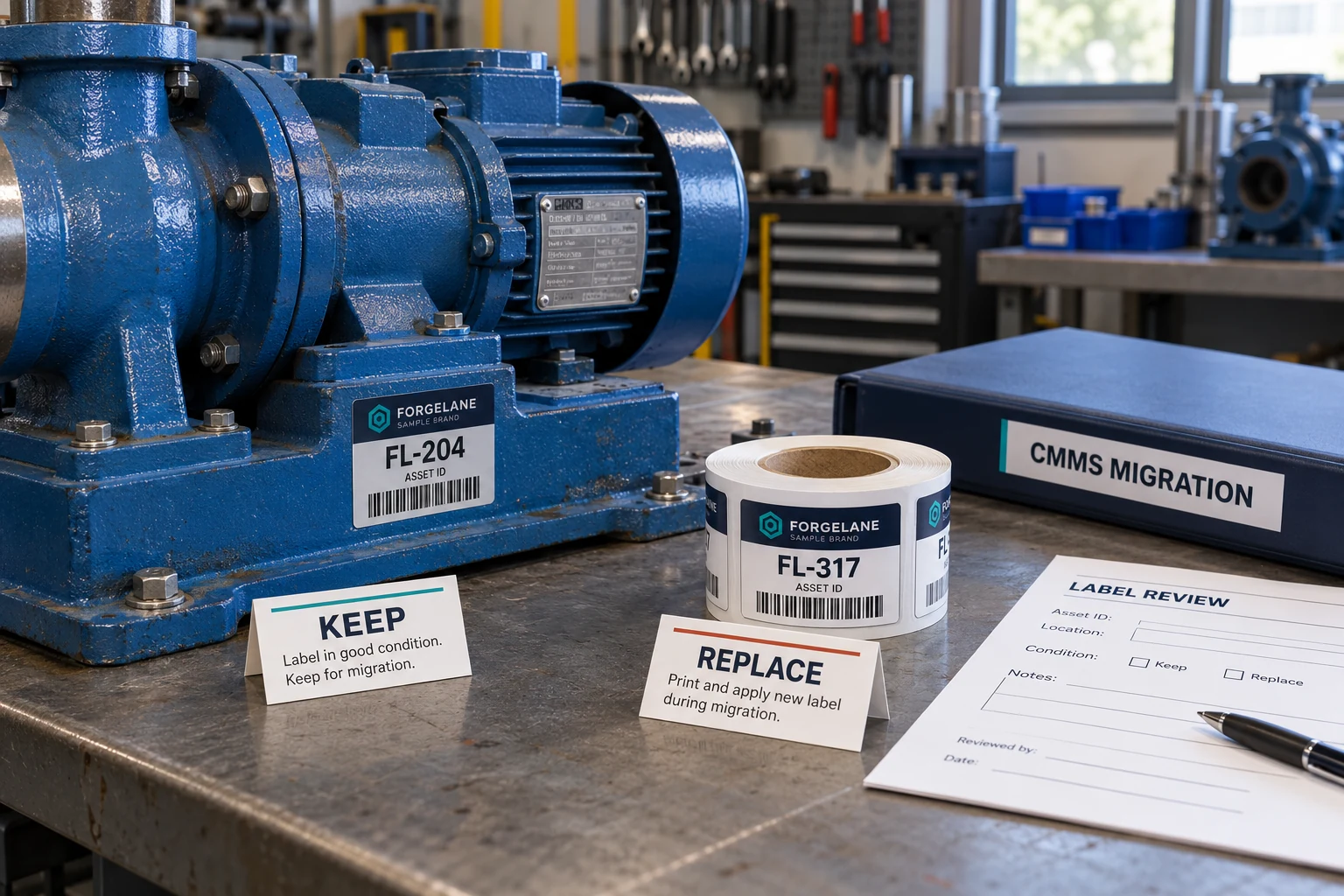
Moving to a new CMMS? Decide which asset labels to keep, replace or hold before ordering. Check barcode mapping, print files and installation handoff.
Read buyer guideKeep approved regulatory information separate from warehouse SKU stickers.
View detailsProof different tread widths with finished-size samples.
View detailsChoose cable IDs around installation order and diameter.
View detailsTrack a moving tool separately from its storage position.
View detailsVerify the exact marking system and use conditions before claiming compliance.
View detailsTread applications, tire information, roll supply and shipment identification.
Review tire barcode colours separately from brand matching. Check bars, background, finished stock and the actual reading workflow before print approval.
Read buyer guideReview media-out errors before replacing tire label rolls. Compare sensing features, printer configuration and a known-working reference.
Read buyer guideCheck tire label sheet margins, pitch and registration across the full sheet. Separate constant offsets from cumulative drift before changing artwork.
Read buyer guideDefine receipt and print dates on tire warehouse labels. Approve date sources, display rules and reprint behavior without implying manufacture date.
Read buyer guideReview ladder and picket-fence barcode orientation for thermal tire labels. Compare feed direction, required geometry, printed output and applied scanning.
Read buyer guideCheck tire label CSV imports for commas, quotes and line breaks. Approve parsed fields and physical proofs before releasing variable-data printing.
Read buyer guideSeparate tire label staining from adhesion and rub damage. Review barrier construction, sample identity and rubber-contact observations before ordering.
Read buyer guideA valid GTIN check digit does not confirm the tire. Review numeric integrity, authorized allocation and product association as separate data gates before print.
Read buyer guideTest long tire model names against the complete label. Approve wrapping, field growth or exact abbreviations using boundary records before automatic shrinking.
Read buyer guideInvestigate tire-label face damage and possible transfer using a handling-path record. Compare finishes against readability needs without assuming adhesion failed.
Read buyer guideReview UTQG label wording without turning a comparative grade into a mileage promise. Connect sales claims, warranties and product scope to separate evidence.
Read buyer guideKeep origin wording separate from a tire brand address or shipping route. Obtain the exact authorized statement and product scope before label printing.
Read buyer guideChoose the right tire-label reorder reference. Separate approved masters, production retains and field returns by provenance, condition and comparison scope.
Read buyer guideReview tire-label peel start with the intended gloves, liner support and dispenser. Separate handling difficulty from adhesion before changing construction.
Read buyer guideInvestigate offline tire-scan duplicates by event history. Separate printed identity from pending, retried and synchronized transactions before reprinting.
Read buyer guideCompare meter-based and count-based tire-label quotes using the approved feed pitch. Keep nominal repeat positions separate from usable delivered labels.
Read buyer guideResolve conflicting tire-label proof comments into one complete release. Keep decision owners, comment dispositions and the final artwork reference together.
Read buyer guideMoving a tire-label job to a different printer resolution? Compare dot-based settings, physical dimensions and approved data before releasing the new output.
Read buyer guideSeparate barcode content from scanner formatting and receiving-field behavior. Trace prefixes, suffixes and stored values before ordering a tire-label reprint.
Read buyer guideKeep supplemental tire inventory IDs distinct from TIN source markings. Record readable evidence, transcription checks and an exception route for unclear data.
Read buyer guideMap supplier and distributor tire SKUs without merging their meanings. Use an issuer-owned alias table, exception rows and a receiving lookup check.
Read buyer guideReview two-code tire labels by capture task. Compare intended payloads, wrong-code rejection and actual receiving behavior before changing the layout.
Read buyer guideA changed predefined case quantity needs a packaging-identity review. Separate the tire product, case configuration and shipment unit before approving replacement label data.
Read buyer guideMatch tire label data to a named RFID field and representation. Distinguish EPC, tag information and the business record before asking a printer to copy a reader value.
Read buyer guideCompare tire-label quotations using the same delivery boundary, included costs and evidence. Keep unknown freight and import items visible instead of ranking unit prices alone.
Read buyer guideA setup charge does not explain what reusable cutting asset exists. Ask what is created, how repeat orders use it and what can transfer before approving the quote.
Read buyer guideAn artwork file can open correctly for its author while missing linked assets elsewhere. Build a portable tire-label handoff and review the received bundle before print.
Read buyer guideSeparate an approved tire-label sample from a delivery-lot decision. Define the lot, inspection unit, selection method and disposition before receiving stock.
Read buyer guideA new tire-label logo can require a product-identifier review. Separate primary-brand changes from artwork corrections and approve the brand-to-GTIN record before print.
Read buyer guideIf white tire-label text changes between artwork and output previews, preserve the files and ask for a scoped overprint review before approving production.
Read buyer guideBuying preprinted tire labels for later overprinting? Approve the reserved area, actual job template and finished sample together before committing to a roll run.
Read buyer guideSeparate tire-label planning quantities, print releases and deliveries. Use a release-balance example to clarify what is authorized before making stock.
Read buyer guideOrdering tire label rolls? Agree splice acceptance, excluded labels, usable quantity and SKU-specific replacement before delivery. See what to put in the RFQ.
Read buyer guideChanging tire label suppliers? Compare construction, barcode data, roll format and trial conditions before approving replacement supply.
Read buyer guideKeep two approved tire sizes and SKUs distinct from proof to roll to set packing.
View detailsCheck the full approved tire specification string before signing off a tread label.
View detailsSeparate a factory bead identifier from a visible product label and ask about process qualification.
View detailsWho owns the SKU data, print file and scanner lookup when ordering tire labels?
View detailsKeep a four-tire customer set together without losing each tire position and ID.
View detailsIdentify a held tire while the separate claim file carries review and decision.
View detailsKeep showroom information editable without losing the warehouse stock ID.
View detailsKeep a tire ID linked to an inspection record without printing an unapproved condition claim.
View detailsSeparate the mounted set ID from the tire and wheel part records.
View detailsChoose the supply format around hand application, SKU count and storage.
View detailsBalance code space and a readable tire size on the finished label.
View detailsChoose the label surface around the actual scan point, handling and approved tire information.
View detailsKeep nearby tire sizes and artwork revisions separate when a line changes rolls.
View detailsKeep the pallet ID visible and the tire-level data tied to its record.
View detailsSeparate embedded tire identity from the visible label a worker reads and scans.
View detailsBrief liner, gap, core and unwind around the actual applicator.
View detailsChoose the carrier around the actual scanner and data destination.
View detailsKeep a mixed load identifiable without treating one tire SKU as the whole pallet.
View detailsGive the tire, case and shipment separate identifiers and scan points.
View detailsControl product identity, approved artwork and release before replacing a damaged label.
View detailsSeparate artwork revisions and buyer-approved market data without mistaking a sample for an official label.
View detailsKeep sizes, quantities, artwork versions and roll identification aligned across a mixed order.
View detailsHow to assess removal timing, tread condition and residue during sample review.
View detailsHow to give tire size, product code, performance data and private-label information a readable order.
View detailsWhat tire-label buyers should specify about unwind direction, dispenser setup and roll delivery before production.
View detailsLogo, tire size, barcode, QR code, proof review and roll format planning for private-label tire buyers.
View detailsHow tire warehouses and private-label buyers should prepare barcode, QR and variable data.
View detailsA buyer checklist for surface, adhesive, label material and proof review before tire label production.
View detailsWhat tire factories and wholesalers should confirm before ordering custom tread labels.
View detailsHow surface and application conditions affect tire label discussions.
View detailsWhat buyers should share before adhesive options are discussed.
View detailsArtwork, reference labels and barcode data for tire label proofing.
View detailsReview tread location, label size and handling before approving an applied sample.
View detailsEquipment, safety, chemical, electrical and warehouse identification.
Define placement and intended contact before buying food equipment ID labels. Keep complete-construction evidence separate from washdown performance.
Read buyer guideCompare reflective and photoluminescent equipment labels by light source, observer position and the actual reading task before requesting samples.
Read buyer guideInvestigate missing print on thermal transfer labels before changing supplies. Record affected output, printer details and the approved media pairing.
Read buyer guideConfirm printer and sheet compatibility before buying equipment label stock. Separate processing, printed data and installed-use requirements.
Read buyer guideReview low-outgassing label evidence against the finished construction. Separate component database listings from engineering approval.
Read buyer guideCompare label weathering reports by construction, cycle and evaluation endpoint. Avoid unsupported conversions from test hours to service years.
Read buyer guideReview opaque cover-up equipment labels on the real old graphic. Separate authority to conceal, show-through, coverage and attachment before ordering.
Read buyer guideDefine the task before ordering tactile equipment labels. Separate flat print, raised formats and Braille, then confirm capability and physical review.
Read buyer guidePrepare asset label print files without sharing the whole register. Define required fields, inspect the export and approve the actual production revision.
Read buyer guideReview peel-and-reveal industrial label visibility, opening and reseal sequence. Compare a flat-label alternative before requesting format feasibility.
Read buyer guideDefine what a label order conformance statement identifies. Match item, specification and shipment references without confusing statements with test data.
Read buyer guideReview movable equipment status markers through placement, removal and reassignment. Confirm the actual surface and keep stable asset identity separate.
Read buyer guidePlan equipment-label masking through exposure and removal. Record the protected boundary, process instructions and post-removal condition before choosing supply.
Read buyer guideCompare Data Matrix and QR labels using approved data, intended readers and actual usable area. Review final output without assuming every camera supports both.
Read buyer guideApprove enclosure-label construction and location with the equipment owner. Keep identification separate from insulation and preserve required equipment markings.
Read buyer guideKeep approved chemical-label information visible while reviewing supplemental SDS access. Check container context, product mapping and the digital-access route.
Read buyer guideKeep printed equipment QR codes free of secrets. Review public content, restricted records and copied-code behavior with the application's authorization owner.
Read buyer guideSelect ESD label symbols by their approved purpose. Distinguish a susceptible item from a protective function without treating a printed mark as qualification.
Read buyer guideReconcile variable-label row counts, repeat quantities and physical output. Define zero, blank and unique-ID rules before expanding data into print copies.
Read buyer guideTest the intended pen on the finished equipment-label surface. Record writing, handling and exposure before approving a writable field or changing the finish.
Read buyer guideClose retired equipment IDs before issuing spare labels or reusing numbers. Reconcile asset status, unused copies and digital destinations while preserving history.
Read buyer guideVerify office print scale before changing label dimensions. Use a physical scale witness and separate paper fit review from finished-label qualification.
Read buyer guideApprove panel-overlay holes and windows from one drawing reference. Connect datum, viewing side, feature positions and print relationships before cutting.
Read buyer guideTrace accented label text from source to import, rendering and print. Separate corrupted characters from missing font support before approving variable data.
Read buyer guideSpecify matched asset-label copies without creating duplicate assets. Reconcile set members, placement, physical quantities and replacement authorization.
Read buyer guidePlan equipment identification when a QR destination is unavailable. Review readable IDs, authorized fallback tasks and cached-record limits before rollout.
Read buyer guideA screenshot that looks sharp is not a production barcode source. Preserve approved data and final dimensions, then review regenerated artwork and finished printed output.
Read buyer guideBefore approving a recyclable claim, identify its exact component and collection route. A material name or recyclable liner does not establish a claim for the finished label.
Read buyer guideMatching ribbon width and chemistry is not enough. Record coated-side orientation and the actual printer configuration separately from label-roll winding.
Read buyer guideAn inside-mounted label must read correctly from its intended viewing side. Mark the panel, adhesive face and installed proof before ordering a transparent construction.
Read buyer guideUnused red frames cannot remain on a finished US OSHA hazard label. Plan the completed artwork, reviewer and stock disposition before ordering common preprinted templates.
Read buyer guideA dropped prefix can change the meaning of equipment data. Link each approved value to its unit, exact display string and artwork field before releasing labels.
Read buyer guideGS1-128 readable parentheses are not encoded data. Give the supplier an approved field specification and review a real symbol through the receiving workflow.
Read buyer guideRecord suspected die-cut label liner damage without guessing the cause. Connect photos to roll identity, intended use and a documented release decision.
Read buyer guideA sorted serial-ID file may produce interleaved finished rolls. Approve the data-to-lane map, first presented value and roll continuation before production.
Read buyer guideBefore labeling protected equipment, confirm the final surface, film-removal responsibility and application stage. Build a clear equipment-label approval brief.
Read buyer guideMoving to a new CMMS? Decide which asset labels to keep, replace or hold before ordering. Check barcode mapping, print files and installation handoff.
Read buyer guidePreserve exact asset IDs through spreadsheet import, barcode proof and printed roll.
View detailsCarry a machine ID through refinishing without assuming old adhesive performance.
View detailsHold obsolete rolls while approved label content and artwork versions are compared.
View detailsApprove distinct drum, jug and bottle layouts without shrinking away required information.
View detailsAllocate issued, reserved and void serials before printing numbered asset tags.
View detailsKeep the machine ID with the machine while its bay and work-order records change.
View detailsKeep drum identity apart from a temporary cleaning hold and required hazard labels.
View detailsTrack fixed pump location and a motor that can leave for service.
View detailsSeparate stable stock identity from a temporary quality review status.
View detailsTie a cabinet circuit list to the short IDs at each breaker.
View detailsIdentify the actual fitting separately from the machine asset plate.
View detailsKeep the assembly record separate from a temporary service task.
View detailsMake a service date and work order mean one approved event.
View detailsApprove an arrow from the machine drawing and its installed viewing position.
View detailsUse a fixed location identifier without confusing it with an active energy-control device.
View detailsTrack a changing service ticket while keeping the equipment identity stable.
View detailsKeep a stable unit ID separate from each temporary hire or return ticket.
View detailsPlan replacement button text and symbols without confusing them with safety warnings.
View detailsSpecify cleaning exposure and the exact stainless panel before selecting a label.
View detailsBrief the actual finish, cleaning and equipment use before selecting a label construction.
View detailsKeep the machine and its removable panel identifiable without covering safety information.
View detailsSeparate fixed storage-location IDs from the changing cartons on the shelf.
View detailsChoose print method by the life of the identifier, not just the printer price.
View detailsSeparate an internal transfer bottle from a shipped chemical container.
View detailsPut a fleet ID where it can be read without hiding safety information.
View detailsKeep kit identity and individual part numbers distinct through picking and repair.
View detailsGive the shelf location and the stored part different identifiers.
View detailsA successful decode is not a print-quality grade or data audit.
View detailsSpecify salt exposure, surface and service life without promising it from a salt-fog number.
View detailsBrief cleaning, placement and print survival as a complete application.
View detailsChoose a marker that fits the cable, print area and maintenance workflow.
View detailsSeparate the visible status marker from the controlled calibration record.
View detailsCheck the data file, printed output and dispatch record as one sequence.
View detailsHow to brief molded plastic, surface condition and a representative adhesion trial before ordering.
View detailsMatch thermal-transfer ribbon, label stock and real handling conditions as one print system.
View detailsKeep IDs, warnings and barcodes visible with deliberate backing and contrast.
View detailsPlan stable links, maintenance records and fallback IDs before the code goes on equipment.
View detailsSeparate reflection, print quality and scanner setup before changing the entire label construction.
View detailsBrief the actual surface temperature, exposure duration and print system rather than a single peak number.
View detailsRecover and approve machine information before reproducing an old identification or warning label.
View detailsWhat a buyer should check about the coating, placement and sample application before approving an equipment label.
View detailsHow to brief the actual molded surface, nearby flat areas and service conditions.
View detailsWhat to confirm about cleaning, incidental spills, contact time and readable data before a chemical-exposure label is quoted.
View detailsA practical buyer guide to surface preparation, application conditions and label placement around edges.
View detailsHow to define the closure, evidence, serial data and review workflow before security-seal labels are printed.
View detailsHow to keep batch, date and handling fields readable through a cold-storage workflow.
View detailsHow surface condition, cleaning, application timing and proof review shape an oil-exposed label brief.
View detailsA practical guide to QR-code size, placement, human-readable data and maintenance scanning workflows.
View detailsHow to keep warning symbols, instructions, data fields and visual hierarchy readable on industrial labels.
View detailsHow to prepare fixed and variable serial-data label projects for product tracking and proof review.
View detailsA buyer comparison for scan method, data destination, deployment, fallback ID and industrial asset-label planning.
View detailsHow quantity, SKU count, material, size, variable data and roll format shape a useful custom label quote.
View detailsHow export-focused buyers prepare approved text, icons, language versions, layout hierarchy and proof review.
View detailsA buyer guide for comparing product labels and nameplates by information, surface, service conditions, update needs and budget.
View detailsHow to brief an outdoor equipment label project with exposure, cleaning, abrasion, data and application details.
View detailsQR code label planning for maintenance records, equipment IDs, mobile scanning and industrial surfaces.
View detailsA buyer guide for matching adhesive choice to temporary labels, asset labels, warning labels and packaging.
View detailsHow to prepare warning text, icons, surface details and proof requirements for equipment labels.
View detailsWhat buyers should confirm before ordering electrical rating labels, nameplates and appliance labels.
View detailsHow to discuss waterproof film labels by surface, exposure, adhesive, data and finish.
View detailsWhat to confirm before ordering chemical drum labels, warning content and durable materials.
View detailsHow to plan asset labels by data, surface, scanning workflow and label format.
View detailsDefine the object, scan point, data, surface and finished-size proof before ordering.
View detailsCheck surface temperature, frost and application timing before selecting a label.
View detailsKeep approved artwork and product revisions aligned with the printed label.
View detailsReview bottle radius, label size and application before approving a flat proof.
View detailsCompare construction, print data, finishing and proof decisions.
Check packaging, batch age, conditioning and dispensing before blaming the adhesive.
View detailsA workflow decision for changing serial data, line printing and finished label supply.
View detailsA finished-size review of content, placement, data and application before bulk production.
View detailsA practical brief for buyer-supplied hazard content, label size, language versions, container surfaces and approval review.
View detailsHow to compare PET, PP, BOPP, vinyl and paper label options by surface and environment.
View detailsBarcodes, QR codes, serial numbers and different text per label.
View detailsHow application details guide material and adhesive discussion.
View detailsCore size, winding direction and label application workflow questions.
View detailsReserve clear space around printed codes so scanners can identify symbol boundaries.
View detailsKeep important text, codes and warning details inside the finished die-cut area.
View detailsBrief liner, dispensing and application requirements as part of the roll specification.
View detailsCompare appearance and protection against the real label construction and handling.
View detailsChoose a shape that fits the product, printed data and application process.
View detailsControl proof expectations across material, ink and finish choices.
View details